How often should i bathe my dog with skin allergies: Easy guide
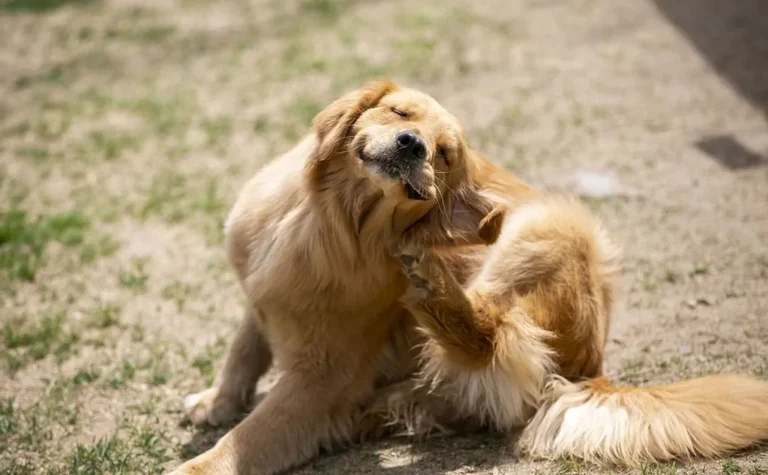
If your dog is scratching nonstop, you probably landed here typing some version of "how often should I bathe my dog with skin allergies." The short answer: it depends on what's causing the allergy and whether you're in a flare-up or maintenance phase. Most allergic dogs do well with a bath every one to two weeks, but during active infections or heavy pollen seasons, the schedule can shift to two or three times a week with the right shampoo.
The catch is that bathing too little leaves allergens sitting on the skin, and bathing too much strips the barrier and makes itching worse. As of 2026, the American College of Veterinary Dermatology still points to regular, controlled bathing as one of the most useful non-drug tools for atopic dogs. The trick is matching the schedule to the allergy type, the shampoo, and your dog's coat.
Quick Answer
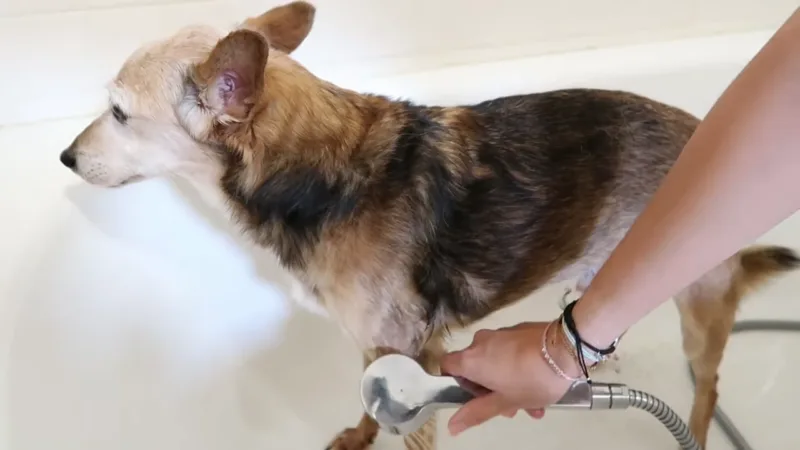
Most dogs with skin allergies need a bath every 7 to 14 days. During a flare-up, twice a week is common. Active infections may need 2 to 3 baths weekly.
Use a gentle, fragrance-free shampoo. Always rinse thoroughly. Cool water is best.
Skip human shampoo.
Why Bathing Frequency Matters for Allergic Dogs
Bathing isn't just hygiene for an allergic dog. It's a real medical intervention. Every bath physically rinses off the allergens sitting on the skin and coat.
Pollen, dust, mold spores, saliva from flea bites. The less time those allergens spend in contact with the skin, the less immune reaction you tend to see.
But the skin barrier matters too. A dog's skin surface is mildly acidic, generally in the 7.0 to 7.5 pH range depending on the breed and body site. Strip that barrier with too-frequent harsh baths, and you end up with dry, flaky, more irritated skin.
That's the tightrope: bathe often enough to remove allergens, but not so often you damage the barrier that's trying to protect your dog in the first place.
What Counts as "Skin Allergies" in Dogs
Not all allergic skin looks the same, and the cause changes the bathing plan.
Environmental Allergies (Atopic Dermatitis)
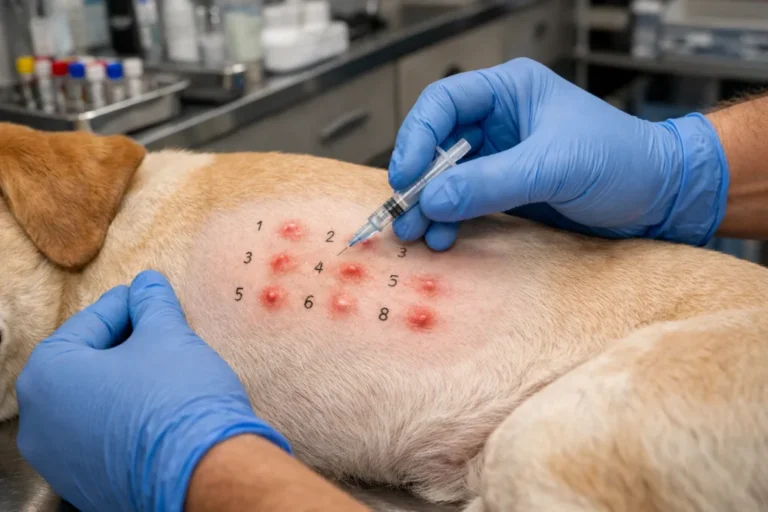
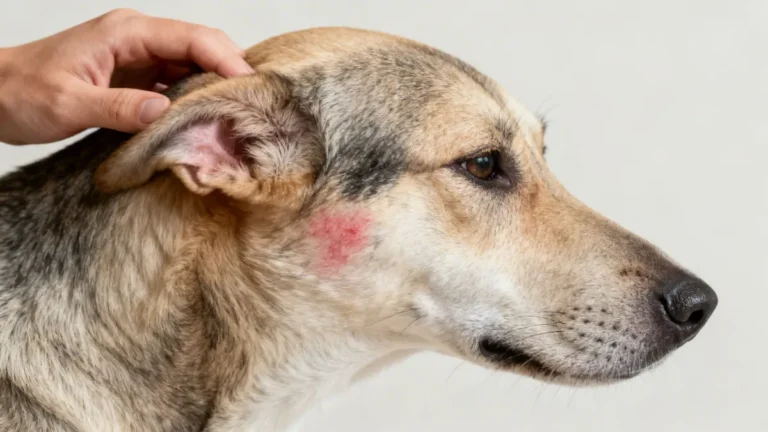
This is the classic pollen, grass, dust, and mold reaction. Dogs lick their paws, scratch their armpits, and get ear infections. Breeds like Bulldogs, Westies, Retrievers, and Pugs are over-represented.
Bathing frequency here is mostly about removing outdoor allergens from the coat after walks.
Flea Allergy Dermatitis
One flea bite can trigger a week of itching in a sensitive dog. The bath itself doesn't kill fleas, but it helps soothe the skin and rinse away saliva. The real fix is year-round flea prevention.
Bathing is supportive.
Food-Related Skin Allergies
Food allergies show up as recurrent ear infections, hot spots, and itchy rear ends. Bathing won't fix the cause, but it keeps the skin calm while you work with your vet on a diet trial.
Contact Dermatitis
Less common. Triggered by something touching the skin directly, like a new detergent on bedding or grass treatments. Bathing rinses off the irritant and gives fast relief.
The Three Bathing Schedules: Maintenance, Flare-Up, and Post-Infection
One of the most useful distinctions in our research is splitting bathing into three different schedules based on what your dog's skin is doing right now.
Maintenance Schedule
This is your baseline between flare-ups. Every 7 to 14 days is the typical range. If your dog has environmental allergies but is comfortable, weekly baths during peak pollen season and every two weeks the rest of the year is a reasonable rhythm.
Use a gentle, moisturizing shampoo here.
Flare-Up Schedule
When scratching ramps up, paws turn red, or ears look gunky, shorten the interval. Twice a week is the usual move. Stick with the same gentle shampoo unless your vet has prescribed a medicated one.
Bathing during a flare-up rinses off fresh allergens before they set off another reaction cycle.
Post-Infection Schedule
If your dog has just finished treatment for a bacterial or yeast skin infection, your vet will often prescribe a medicated shampoo protocol for 2 to 4 weeks. That's typically 2 to 3 baths per week with a 5 to 10 minute contact time. Skipping the contact time is the most common reason medicated baths don't work.
| Schedule | Frequency | Shampoo Type | Best For |
|---|---|---|---|
| Maintenance | Every 7 to 14 days | Gentle, moisturizing | Comfortable dogs between flare-ups |
| Flare-Up | Twice per week | Hypoallergenic or vet-recommended | Active itching, red paws, ear gunk |
| Post-Infection | 2 to 3 times per week | Medicated (chlorhexidine, miconazole) | Recovering from bacterial or yeast infection |
Bathing by Allergy Type: Environmental, Food, and Flea
The cause of the allergy changes why you're bathing, which changes how often.
Environmental Allergies
Daily wiping of paws and belly after walks helps a lot. Full baths weekly during heavy pollen weeks and every 10 to 14 days in the off-season is a common rhythm. If you walk in tall grass, rinse the legs and paws with plain water most days and save the shampoo bath for once a week.
Food Allergies
Bathing here is mostly comfort care. Your dog isn't rolling in allergens between meals. A bath every 2 to 4 weeks is fine unless there's a flare.
The bigger win is working with your vet on an elimination diet.
Flea Allergy Dermatitis
After a known flea exposure, a soothing bath can calm the skin fast. Use a gentle oatmeal shampoo. Repeat in 5 to 7 days if itching is still intense.
Pair this with strict flea control on every pet in the home.
The shared theme across all three: bathing removes the trigger or soothes the result, but it never replaces the underlying fix (flea prevention, diet trial, allergen control).
Bathing Frequency by Coat Type and Breed
Coat type changes how often you can bathe without drying out the skin. Short, smooth coats like a Beagle or Boxer handle more frequent baths. The skin dries fast, and there's less hair to trap allergens.
Twice a week during a flare-up is usually fine.
Double coats like a Golden Retriever or Border Collie need more drying time. Shampoo sits deeper in the undercoat. A weekly bath is plenty during flare-ups, and a thorough rinse matters more than the lather.
Make sure water and shampoo actually reach the skin, not just the outer coat.
Curly or woolly coats like a Poodle or Bichon tend to hold onto moisture and debris. They can handle frequent baths but need a careful dry to prevent hot spots. Many groomers recommend a hypoallergenic bath every 2 weeks as baseline for these breeds.
Wrinkle-faced breeds like Bulldogs, Shar-Peis, and Pugs need special attention. Their skin folds trap moisture and bacteria. Bathing the whole dog weekly is fine, but the folds themselves need a separate gentle wipe-down with a damp cloth 2 to 3 times a week to prevent yeast infections.
| Coat Type | Typical Baseline Bath | Flare-Up Bath | Watch Out For |
|---|---|---|---|
| Short and smooth | Every 2 weeks | Weekly | Dryness if overdone |
| Double coat | Every 2 to 4 weeks | Weekly | Undercoat not rinsed |
| Curly or woolly | Every 2 weeks | Weekly | Hot spots if not fully dried |
| Wrinkle folds | Weekly body, folds 2 to 3x/wk | Twice weekly | Fold yeast and bacteria |
Medicated Shampoo vs Hypoallergenic Shampoo: How They Change Frequency
The shampoo you pick changes how often you should bathe. Hypoallergenic and oatmeal shampoos are designed for regular use. They're gentle, moisturizing, and safe for weekly or twice-weekly baths in most dogs.
Medicated shampoos are a different story. Chlorhexidine, miconazole, and benzoyl peroxide shampoos treat active infections but can dry out the skin with repeated use. Manufacturer specs confirm most medicated shampoos are labeled for 2 to 3 times per week during a treatment course, then a return to gentler shampoo for maintenance.
Using a medicated shampoo every day, or stretching a medicated course past the prescribed length, both backfire. The skin gets stripped, the infection can rebound, and your dog ends up itchier than before.
A simple rule: use medicated shampoo when your vet says to, for the duration they say, with the contact time they specify. Switch to a gentle shampoo for ongoing maintenance.
Step-by-Step: How to Bathe a Dog With Skin Allergies the Right Way
The technique matters as much as the frequency. A badly done bath can leave residue that makes itching worse.
What You Need
- Lukewarm water (hot water strips oils and irritates skin)
- Hypoallergenic or vet-prescribed shampoo
- A pitcher or handheld shower sprayer for rinsing
- Clean towels or a low-heat blow dryer
- Cotton balls for the ears
The Process
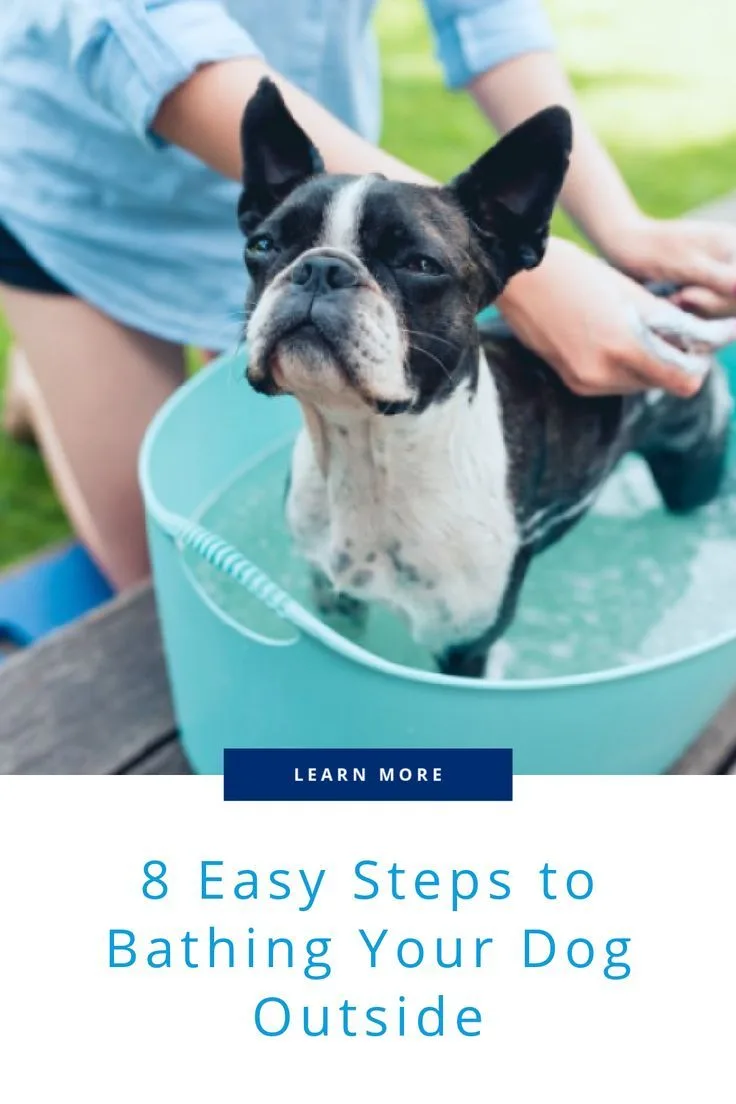
- Brush first. Loose hair and mats trap shampoo and block water from reaching the skin.
- Wet the coat thoroughly. Start at the neck and work back.
- Apply shampoo and lather. Use the amount on the label.
- Honor the contact time. For medicated shampoo, set a timer for 5 to 10 minutes.
- Rinse longer than you think. Run water for at least 2 to 3 minutes of clear runoff.
- Towel dry or low-heat blow dry. Don't let a damp allergic dog sit in a draft.
Quick Reference Table
| Step | Time | Common Mistake |
|---|---|---|
| Brush out coat | 3 to 5 minutes | Skipping in double coats |
| Wet thoroughly | 2 minutes | Water too hot |
| Lather shampoo | 1 to 2 minutes | Using too much product |
| Contact time | 5 to 10 minutes (medicated) | Rinsing too soon |
| Rinse | 2 to 3 minutes minimum | Stopping at "looks clear" |
| Dry | 10 to 20 minutes | Damp dog in a cold room |
Mistakes That Make Allergic Dog Skin Worse
A handful of common errors undo all the benefit of bathing.
Bathing Too Often
If your dog's coat feels dry and brittle, or you see white flakes, you may be overbathing. Cut back and add a moisturizing conditioner made for dogs.
Bathing Too Rarely
If your dog's paws are constantly red and the smell of yeast keeps coming back, you're probably underbathing. Bumping up to weekly baths often clears this up.
Skipping Contact Time
The biggest medicated shampoo mistake. If you lather and rinse in 60 seconds, the medicine never had time to work.
Using Human Shampoo
Human skin is more acidic (around 5.5 pH). Dog skin is closer to neutral. Human shampoo shifts the skin surface pH and disrupts the barrier.
Using Fragranced or Dyed Shampoo
The perfume and dye are common irritants on already-reactive skin. Stick with fragrance-free options.
How to Tell If You're Overbathing or Underbathing
Your dog will tell you. Watch for these signs.
Overbathing signs:
- White flakes or dandruff appearing within a day of a bath
- Coat feels rough or straw-like
- Skin looks tight or shiny
- Scratching increases a day or two after a bath
Underbathing signs:
- Greasy or smelly coat within a few days
- Recurrent ear gunk
- Red, inflamed paws that don't clear up
- Visible dirt or pollen on the coat
When in doubt, take a photo of the skin and coat on bath day. Compare across weeks. Patterns show up faster than you'd think.
Rinses, Wipes, and Sprays: When You Don't Need a Full Bath
Sometimes you don't need the whole production. For daily allergen removal, a wipe-down works.
Wipes
Fragrance-free dog wipes or a damp microfiber cloth on paws, belly, and armpits after walks remove a surprising amount of pollen. Do this daily during heavy pollen seasons. It's a smaller job than a full bath and your dog usually tolerates it better.
Rinses
A plain water rinse (no shampoo) is enough after a grassy walk. Just hose off the legs and paws, towel dry, done.
Topical Sprays
Leave-on sprays with ceramides or oatmeal extract can soothe between baths. Useful for dogs who hate full baths or for spot-treating itchy areas.
The rule: full bath when there's buildup, infection, or a flare. Rinse or wipe when you're just removing fresh allergens.
Products That Work (and Ones to Skip)
Generic guidance from veterinary dermatology sources points to a small set of product categories worth trusting.
What Works
- Fragrance-free, dye-free shampoos labeled for sensitive skin
- Colloidal oatmeal shampoos (soothing, well-tolerated)
- Chlorhexidine 2% to 4% shampoos (antibacterial, vet-prescribed for infections)
- Miconazole shampoos (antifungal, often paired with chlorhexidine)
- Leave-in ceramide sprays (barrier repair)
What to Skip
- Human shampoo (wrong pH, contains irritants)
- Dish soap (strips oils, harsh on barrier)
- Tea tree oil or essential oil products (toxic to dogs at common concentrations)
- Strongly perfumed "deodorizing" shampoos (irritation risk)
- Coal tar shampoos (older formulas, can stain and irritate sensitive skin)
If you're ever unsure, check the label for fragrance, dye, and pH balance. Or ask your vet for a specific recommendation based on your dog's allergy profile.
How Climate and Season Change Your Schedule
Your zip code affects your bath calendar more than most owners expect.
Spring and fall are peak pollen seasons in most of the US and UK. Weekly baths during these windows make a measurable difference, especially for atopic dogs.
Summer heat and humidity increase yeast risk. Dogs in the southern US, the Mediterranean, or any humid climate may need more frequent baths (and ear cleaning) during summer months. Twice-weekly maintenance isn't excessive in these regions.
Winter indoor heating dries the air and your dog's skin. Cut back baths to every 2 to 3 weeks, switch to a richer moisturizing shampoo, and consider a humidifier in the rooms where your dog sleeps.
When to Stop Bathing and Call Your Vet
Bathing is a tool, not a cure. Some signs mean it's time to bring your vet in.
- Open sores, bleeding, or pus on the skin
- Hot spots that spread despite bathing
- A bad smell from the skin or ears that doesn't go away after a bath
- Hair loss in patches
- Lethargy, appetite loss, or behavior changes paired with skin symptoms
Also call your vet if home bathing isn't reducing scratching after 2 to 3 weeks of consistent baths at the right frequency. There's probably an infection, a food component, or a prescription treatment missing from the plan.
Building a Long-Term Bathing Routine That Works
The dogs with the best outcomes are the ones whose owners build a routine and stick with it. Here's a simple framework based on what consistently shows up in veterinary guidance.
Step 1: Identify the Allergy Type
Work with your vet to confirm whether you're dealing with environmental, food, flea, or contact allergies. The bathing plan hangs off this.
Step 2: Pick Your Baseline Schedule
Maintenance (every 1 to 2 weeks) for stable dogs. Flare-up (twice weekly) when symptoms ramp up. Post-infection (2 to 3 times weekly with medicated shampoo) when treating a known infection.
Step 3: Use the Right Shampoo for the Job
Gentle for maintenance. Hypoallergenic during flare-ups. Medicated only when your vet says so.
Step 4: Track and Adjust
Keep a simple log: bath date, shampoo used, skin condition before and after. Patterns become obvious within a month.
Step 5: Layer in Daily Support
Wipe paws after walks. Use flea prevention year-round. Wash bedding weekly in hot water.
These small habits compound.
What About Puppy Bathing and Allergy Prevention Early On?
Puppies with allergy-prone breeds benefit from early, gentle baths. Once vaccinations are cleared by your vet, a weekly or biweekly bath with a mild puppy shampoo trains the skin to tolerate bathing. It also gives you a head start on allergen removal before the heavy pollen seasons hit.
If your puppy is already scratching at 8 to 12 weeks, don't assume it's too early for allergies. Food and environmental sensitivities can show up early. Talk to your vet before adding any new shampoo or changing the bath schedule.
Will Bathing My Dog Too Often Cause Dry Skin or Hot Spots?
Yes, both. Overbathing strips the protective oil layer. Dry skin cracks, cracks invite bacteria, and hot spots follow.
If you see sudden hair loss, red moist patches, or a foul smell, you've crossed the line and need to back off the baths while treating the spots.
Flea Combs, Brushes, and Drying Tools That Pair Well With Bathing
Bathing works better when paired with the right tools between baths. A flea comb run through the coat after every walk catches fleas and pollen. A rubber curry brush on short coats lifts allergens out of the undercoat.
For double-coated breeds, an undercoat rake twice a week keeps the skin breathing.
Drying matters more than most owners think. Cool or low-heat blow drying is fine for most dogs. For allergic dogs, fully drying the skin folds and the belly is critical.
Damp pockets of skin are where yeast and bacterial infections take hold within hours.
Bathing Multiple Dogs in a Household With Allergies
In multi-dog homes, allergens move between pets. If one dog has flea allergy dermatitis and sleeps with the others, the rest of the pack needs flea prevention too. The same logic applies to pollen and dust.
If only one dog has skin allergies, separate bath towels help. Shared towels spread shampoo residue and dander between dogs. Keep a dedicated towel for the allergic dog, and wash it in hot water without fabric softener.
Softeners leave a residue that can trigger skin reactions.
Recognizing When It's Not Just Allergies
Bathing won't fix everything. Some skin conditions look like allergies but aren't.
Signs It Might Be More Than Allergies
- Hot spots that spread fast or keep coming back
- Skin that smells sweet or yeasty even right after a bath
- Symmetrical hair loss on both sides of the body
- Paw pads that are thickened, cracked, or crusty
These patterns point toward conditions like mange, ringworm, hypothyroidism, or Cushing's disease. Each needs a different treatment plan. Bathing helps with comfort but won't solve the underlying problem.
A vet visit with skin scrapings or bloodwork gets you the right answer.
Tracking Results and Knowing When the Plan Is Working
A simple log goes a long way. Write down the date, shampoo used, frequency, and a 1 to 10 itch score for your dog. After two to three weeks, you'll see a pattern.
If the score drops and the skin looks calmer, the schedule is working. If the score stays flat or climbs, something in the plan needs adjusting. Common culprits are shampoo choice, missed contact time, or an undiagnosed secondary infection.
The goal isn't zero baths. The goal is the right number of baths for your specific dog, in your specific climate, with your specific allergy type.
Realistic Expectations: What Bathing Can and Can't Do for Allergic Dogs
Bathing reduces surface allergens and calms irritated skin. It does not cure the allergy itself. Most dogs still need a layered plan with flea control, diet management, or prescription meds like Apoquel or Cytopoint.
How Quickly Should You See Results From a New Bathing Schedule?
Expect calmer skin within 2 to 4 baths at the new frequency. Full coat and skin recovery usually takes 4 to 6 weeks. If nothing has changed after a month of consistent, correctly done baths, talk to your vet about adding another layer of treatment.
Special Cases: Senior Dogs, Puppies, and Dogs on Medication
Senior dogs often have thinner skin and slower oil production. They usually need fewer baths, closer to every 2 to 4 weeks, with a richer moisturizing shampoo.
Puppies tolerate baths well once fully vaccinated. Keep sessions short and warm.
Dogs on steroids or Apoquel can still be bathed normally. The meds and the baths work on different parts of the problem. Don't skip either.
Sample Weekly Schedule for a Dog With Environmental Allergies
Here's a simple week that works for many atopic dogs during peak pollen season.
| Day | Action |
|---|---|
| Mon | Wipe paws and belly after walk |
| Tue | Full hypoallergenic bath |
| Wed | Rest day, brush coat |
| Thu | Wipe paws after walk |
| Fri | Rest day |
| Sat | Optional rinse or wipe-down |
| Sun | Full bath if flare-up week |
Adjust the schedule based on your dog's response and your vet's guidance.
When the Bath Schedule Isn't Enough: Next Steps With Your Vet
If consistent, correctly done baths aren't cutting it, your vet can layer in prescription options. Cytopoint injections last 4 to 8 weeks and target itch at the source. Apoquel tablets work daily.
Both pair well with a regular bathing routine.
Allergy testing (blood or intradermal skin testing) can identify specific triggers. Once you know what's causing the reaction, immunotherapy drops or shots can desensitize your dog over time.
Bathing remains the foundation. The prescriptions are the upgrades.
Quick Reference Card
Maintenance Phase
- Bath every 7 to 14 days
- Gentle, fragrance-free shampoo
- Full rinse, full dry
Flare-Up Phase
- Bath twice a week
- Hypoallergenic or vet-recommended shampoo
- Same rinse and dry rules
Post-Infection Phase
- Bath 2 to 3 times a week
- Medicated shampoo with 5 to 10 minute contact time
- Follow your vet's exact schedule
When to Call the Vet
- Spreading hot spots
- Smelly skin or ears
- Hair loss in patches
- No improvement after 2 to 3 weeks
Bathing During Active Flare-Ups: A Day-by-Day Plan
Days 1 to 3: Bathe once. Cool water, gentle shampoo, full rinse. Days 4 to 6: Rest, wipe paws, monitor.
Day 7: Bathe again if itching persists. Hold the schedule for 2 to 3 weeks, then taper back to maintenance.
Common Bath Time Mistakes Dog Owners Make With Allergic Dogs
Skipping the brush-out. Using water that's too hot. Not rinsing long enough.
Towel drying in a cold room. Every one of these turns a helpful bath into an irritant.
Allergen Load Reduction Between Baths
HEPA vacuums cut household allergens. Washable dog beds in hot water weekly. Air purifiers in the room where your dog sleeps.
These small steps reduce the work each bath has to do.
Working With a Veterinary Dermatologist
If your dog's skin isn't responding to consistent home bathing, a board-certified veterinary dermatologist can run intradermal skin testing and build an immunotherapy plan. Referral usually comes from your primary vet.
Final Takeaway
Bathing is one of the most useful tools you have for a dog with skin allergies. Match the frequency to the phase (maintenance, flare-up, or post-infection), use the right shampoo, and rinse thoroughly. Pair it with flea control, daily wipe-downs, and a clean home.
That's the formula most dogs respond to within a few weeks.
Frequently Asked Questions
Can I bathe my allergic dog every week?
Yes. Most dogs with environmental or food-related skin allergies do well with weekly baths using a gentle shampoo. Twice a week is fine during a flare-up.
Daily baths are too much for most dogs unless your vet has prescribed a specific protocol.
What is the best shampoo for dogs with skin allergies?
Fragrance-free, dye-free shampoos with colloidal oatmeal or ceramides are a safe starting point. For active infections, your vet will likely prescribe a chlorhexidine or miconazole shampoo. Avoid anything with tea tree oil, essential oils, or strong perfumes.
How long should I leave medicated shampoo on my dog?
Most medicated shampoos need 5 to 10 minutes of contact time to work. Set a timer. Lathering and rinsing in under a minute wastes the medicine and prolongs the infection.
Is it okay to use baby shampoo or gentle human shampoo on dogs?
No. Even baby shampoo has a lower pH than dog skin. Stick with shampoos made and pH-balanced for dogs.
The difference matters on already-reactive skin.
Can overbathing make a dog's itching worse?
Yes. Bathing too often strips the skin's natural oils, weakens the barrier, and triggers more scratching. Signs include dandruff, a rough coat, and itching that gets worse within a day or two of a bath.