How much does allergy testing cost for dogs: Best guide
How much does allergy testing cost for dogs? Most owners pay between $150 and $1,000, depending on the test type and who runs it, and a board-certified veterinary dermatologist typically lands at the higher end. The wide range isn't a sales trick.
It's a reflection of three very different tests, each with its own accuracy profile, prep requirements, and follow-up costs. Knowing what you're actually paying for is the difference between getting a clear diagnosis and burning money on a test that won't change your dog's treatment.
We've put together this guide using current 2026 pricing data, AAHA and ACVD clinical guidance, and aggregate veterinary practice rates. The goal is to give you a real cost picture, not a marketing quote, so you can walk into your vet's office already knowing what makes sense for your dog.
Quick Answer
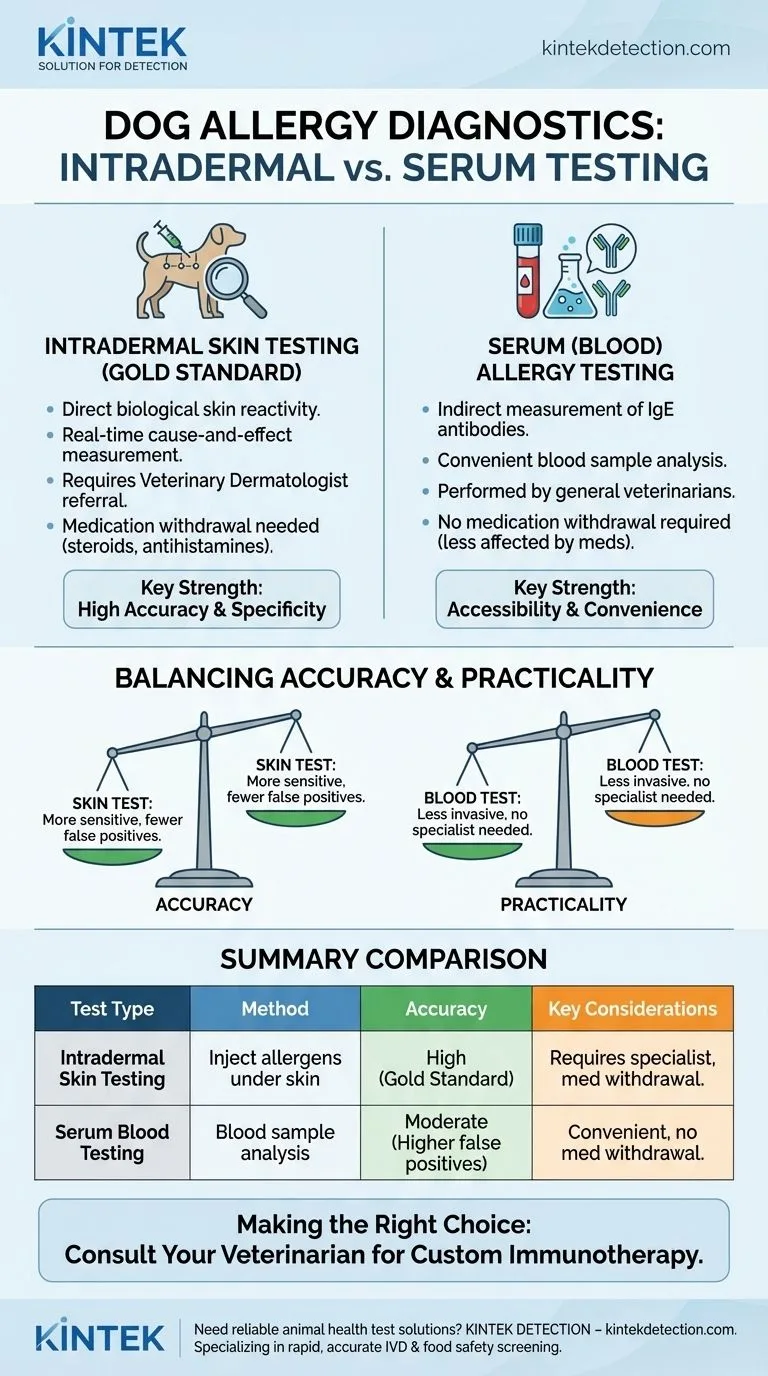
Dog allergy testing costs between $150 and $1,000. Serum IgE blood tests run $150 to $500. Intradermal skin tests run $300 to $1,000 at a veterinary dermatologist.
Saliva and hair tests run $80 to $200 but lack validated accuracy. Geographic location, specialist fees, and sedation add-ons shift the final price.
Why Accurate Allergy Testing Matters for Your Dog's Health
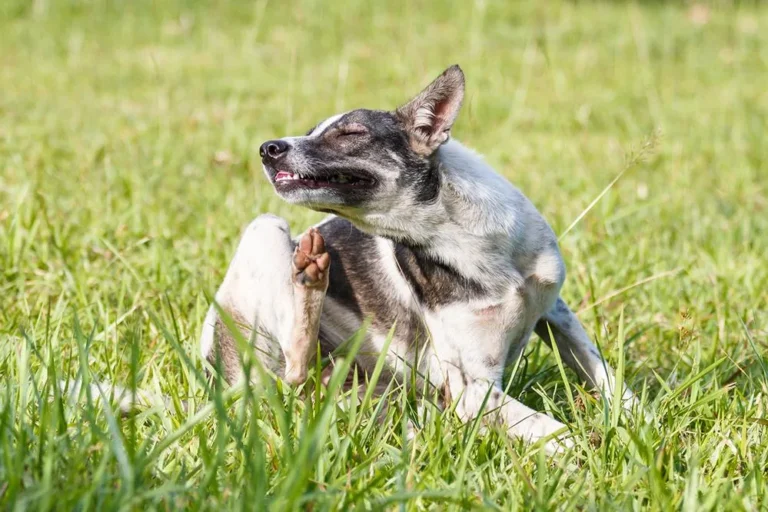
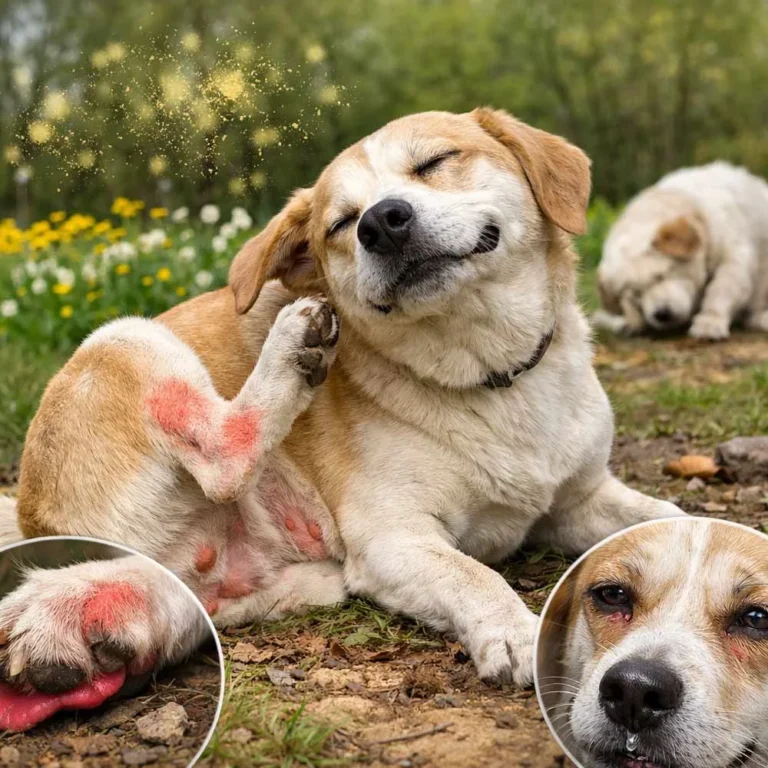
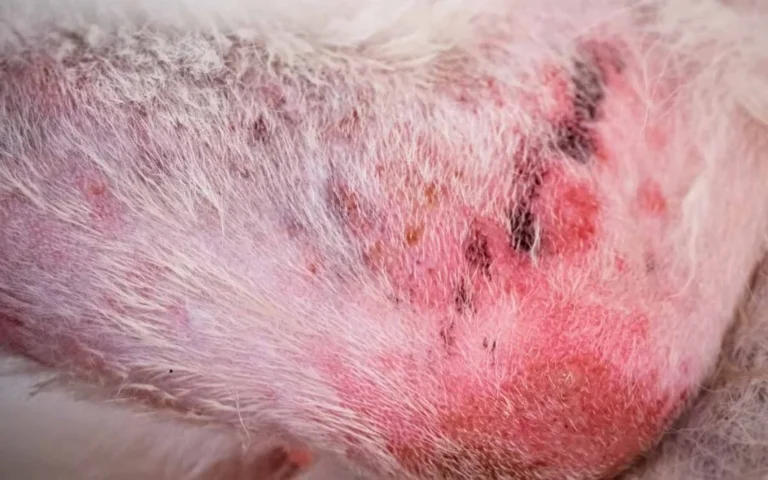
Allergies in dogs aren't a single problem. They're a category of immune responses, environmental, flea-based, and food-related, that all look similar on the surface. Chronic scratching, recurrent ear infections, hot spots, and paw-licking can all stem from different triggers.
Without a proper test, you're treating symptoms blind.
That's the core reason cost matters here. An inaccurate test isn't just wasted money. It can lead to months of the wrong diet, the wrong medication, or unnecessary immunotherapy.
Peer-reviewed work in Veterinary Dermatology consistently shows that serum IgE and intradermal tests perform differently depending on the allergen category, and neither is a universal answer.
A real diagnosis also sets you up for targeted treatment. The American College of Veterinary Dermatology (ACVD) recommends testing as the gateway to allergen-specific immunotherapy, which is the only intervention that actually changes the immune response rather than suppressing symptoms. If you skip testing or test with an unvalidated method, you close the door on the most effective long-term option.
There's also a financial reality. Managing an allergic dog without a diagnosis can run $400 to $1,500 per year in medications, special diets, and repeated vet visits. Spending $300 to $600 on a proper test up front is often cheaper than two years of guessing.
What Dog Allergy Testing Actually Costs (And Why the Price Varies So Much)
The price spread is the first thing that shocks most dog owners. A $150 blood panel from your general vet and a $900 intradermal test at a dermatology clinic are testing for the same thing on paper, so why the gap?
It comes down to four factors:
- Test methodology. Intradermal testing requires sedation, shaved skin, and 40 to 80 individual allergen injections read by eye at 15 to 20 minutes. A serum IgE test is a single blood draw sent to a lab. The labor and overhead are completely different.
- Practitioner level. A general practice vet can run a blood test. Only a board-certified veterinary dermatologist, a DACVD, is trained to perform and interpret intradermal testing reliably.
- Geographic region. Urban specialty clinics in high-cost-of-living areas charge more. Vet school teaching hospitals often run 20% to 40% below private specialty rates.
- What's bundled in. Some clinics quote just the lab fee. Others bundle the exam, sedation, and follow-up consult. Always ask what's included.
If you want a number you can budget around, here's a reasonable working figure for 2026: expect $200 to $400 for a serum IgE panel through a general vet, and $500 to $900 for intradermal testing through a dermatologist. Anything far below that is either missing components or using a test that doesn't hold up clinically.
The 3 Main Types of Dog Allergy Tests and What They Reveal
There are three categories of allergy tests marketed to dog owners. Two are clinically validated. The third is not, despite what its marketing says.
Intradermal Skin Testing (IDST)
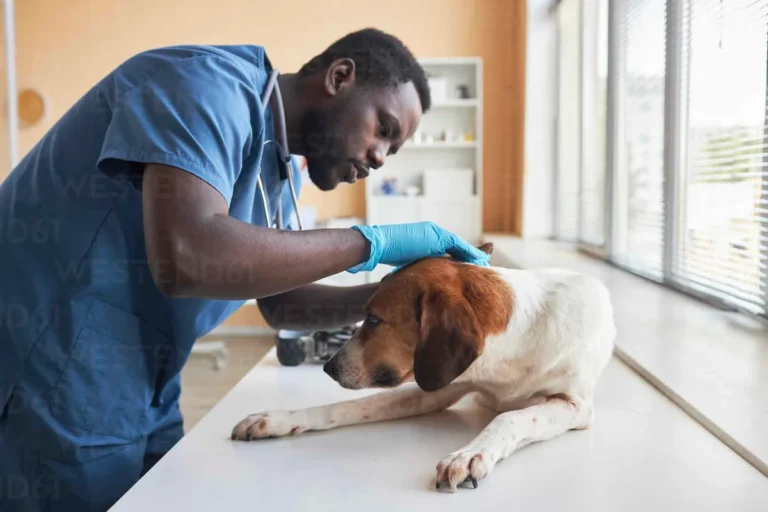
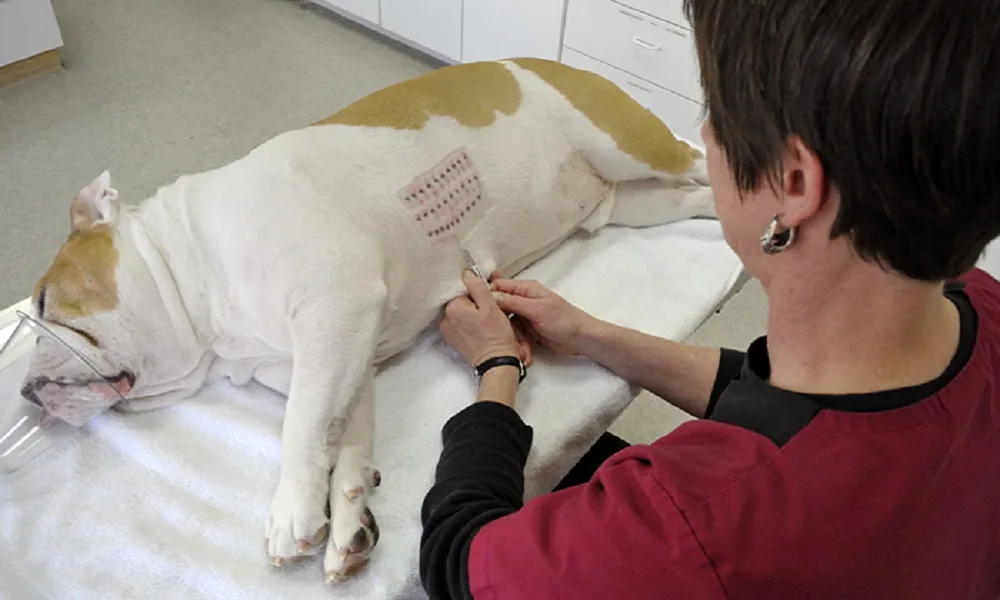
This is the gold standard for environmental allergies. The dog is sedated, a patch of skin is shaved, and small amounts of 40 to 80 allergens are injected just under the skin. After 15 to 20 minutes, a positive reaction shows as a raised, red wheal.
A board-certified dermatologist reads the results on the spot.
- What it tests for: Environmental allergens (pollen, dust mites, mold, grasses, trees, fleas)
- What it doesn't test for: Food allergies
- Accuracy: Highest among validated methods for environmental allergens when performed by an experienced dermatologist
- Cost: $300 to $1,000, including sedation and dermatologist exam
The catch is prep. Dogs must be off oral steroids for 2 to 4 weeks and off injectable steroids for longer. Some antihistamines also need to stop a week before.
If you skip this, you get false negatives.
Serum IgE Blood Testing
A single blood draw, usually from the jugular or a leg vein, sent to a reference lab. The lab measures allergen-specific IgE antibodies for a panel of regional and environmental allergens.
- What it tests for: Environmental allergens, sometimes food allergens (with less accuracy)
- What it doesn't test for: It's weaker for food allergies compared to a true elimination diet
- Accuracy: Good for environmental allergens; reliable sensitivity depends on the lab and panel quality
- Cost: $150 to $500 through a general vet; sometimes higher through a dermatologist
The advantage is convenience. No sedation, no shave, no drug washout in most cases. The disadvantage is that sensitivity and specificity vary by lab.
A cheap panel from a discount lab is not the same product as a well-validated panel from a major reference lab.
Saliva and Hair-Based Tests (and Why Vets Don't Trust Them)
You'll see these marketed heavily online. Kits priced at $80 to $200 that ask you to mail in a saliva swab or a bundle of fur. They claim to test for dozens of food and environmental sensitivities.
They are not validated. Neither the ACVD nor AAHA recognizes saliva or hair testing as diagnostically reliable. Studies published in peer-reviewed journals have shown these tests produce inconsistent and often contradictory results when repeated.
The FDA regulates veterinary diagnostics, and these kits operate in a regulatory gray zone that doesn't meet clinical laboratory standards.
If a test costs $100 and skips the vet entirely, there's usually a reason. Skip it.
Typical Cost Breakdown by Test Type
Here's how the numbers typically shake out across a normal visit, as of 2026. These ranges come from aggregate practice rate surveys and published specialty clinic fee schedules.
| Cost Component | Serum IgE Blood Test | Intradermal Skin Test | Saliva/Hair Test |
|---|---|---|---|
| Vet exam fee | $50 to $150 | $100 to $250 (specialist) | $0 (direct to consumer) |
| Lab test fee | $100 to $350 | Included | $80 to $200 |
| Sedation | Not required | $50 to $150 | Not required |
| Test interpretation | Included in lab | Included in exam | Self-interpreted |
| Follow-up consult | Sometimes included | $50 to $100 | None |
| Total typical range | $150 to $500 | $300 to $1,000 | $80 to $200 |
The intradermal range looks wide because geography and specialist reputation matter. A DACVD at a busy urban referral practice will quote more than a teaching hospital clinic. Both are legitimate; the difference is overhead, not quality.
One more thing worth flagging: the test itself is only the entry cost. If the result leads to immunotherapy, expect an additional $300 to $600 for the first year's serum or injection series, plus rechecks.
What Drives the Price Up or Down
A few variables move the final number more than the test type itself. If you understand these, you can predict what your own quote will look like before you walk in.
Test Type and Allergen Panel Size
The panel size matters more than most owners realize. A 40-allergen panel costs less than an 80-allergen regional panel. Bigger panels are common in the Sun Belt, the Pacific Northwest, and the Upper Midwest, where the allergen mix is wide.
Smaller, tighter panels work fine in places with a more limited allergen set.
General Practice Vet vs. Board-Certified Dermatologist
General vets can order serum IgE panels. Intradermal testing is a different story. Only a board-certified dermatologist, with the right equipment, controlled allergens, and sedation protocol, can run it properly.
The specialist fee covers all of that, which is why the price jumps.
If cost is a real constraint, ask your general vet whether a serum IgE panel is appropriate for your dog's symptoms. For environmental allergies with classic signs (seasonal itching, ear infections, paw-licking), a good blood panel is often enough to start treatment or immunotherapy.
Geographic Location and Clinic Type
Vet school teaching hospitals usually price 20% to 40% below private specialty clinics. The trade-off is wait time. Appointments at university dermatology services often book out 4 to 12 weeks.
Urban specialty clinics in cities like New York, San Francisco, or Boston sit at the top of the national range.
Sedation, Exam Fees, and Add-Ons
Always ask for the line-item quote. Some clinics bundle the exam and the test. Others list them separately, which makes the test "look" cheaper until you see the rest.
Sedation for intradermal testing is a real cost driver, anywhere from $50 to $150, and it's non-negotiable for safety.
Dog Allergy Testing Costs by Region (US, UK, Canada)
Regional pricing is a moving target, but aggregate practice surveys and published fee schedules give us a workable 2026 picture.
| Region | Serum IgE Test (USD equivalent) | Intradermal Test (USD equivalent) |
|---|---|---|
| US urban specialty clinic | $250 to $500 | $500 to $1,000 |
| US general practice | $150 to $350 | Not typically offered |
| US vet teaching hospital | $150 to $300 | $300 to $600 |
| UK specialist practice | £200 to £400 | £400 to £800 |
| Canada specialty clinic | CAD 250 to 500 | CAD 500 to 1,000 |
UK pricing tracks closely to the US, with most of the variation coming from whether you're going through a primary vet or a referral practice. Canadian pricing runs about 5% to 10% above US rates in most major cities. Australian prices trend higher across the board due to lower specialist density.
What to Expect at the Appointment: The Testing Process Step by Step
Before the Visit: Medication Washout
The single most common reason for a wasted allergy test is a failed medication washout. Corticosteroids and Apoquel suppress the immune system enough to mask reactions on both blood and skin tests.
- Oral steroids (prednisone): stop 2 to 4 weeks before testing
- Injectable steroids: stop 4 to 8 weeks before testing
- Apoquel (oclacitinib): stop 3 to 7 days before testing
- Antihistamines: stop 5 to 7 days before intradermal testing
- Essential fatty acid supplements: usually fine to continue
Your vet will give you a specific washout schedule. Follow it. A false negative means you pay for the test twice, or worse, you abandon testing entirely and start guessing.
During the Visit: Blood Draw or Skin Injections
For a serum IgE test, the visit is short. A vet tech draws blood, labels the tube, and ships it to the reference lab. Most dogs are in and out in 20 minutes.
For intradermal testing, the appointment runs 1.5 to 3 hours. The dog is sedated, the test site (usually the lateral thorax or belly) is shaved, and 40 to 80 allergens are injected just under the skin. Reading happens 15 to 20 minutes later.
The dog goes home the same day once sedation wears off.
After the Visit: Results Timeline and Interpretation
Serum IgE results come back in 3 to 14 days, depending on the lab. Intradermal results are read on the spot. Either way, the follow-up consult is where the real value happens.
The vet or dermatologist walks you through which allergens reacted, what the results mean, and what the next step in treatment looks like.
This is also when immunotherapy gets discussed if it's appropriate. Don't skip the follow-up.
Common Mistakes That Lead to Misleading Results (and Wasted Money)
Testing Too Early in a Puppy's Life
The immune system needs time to develop measurable IgE responses. Most dermatologists won't test dogs under 12 months. Testing a 6-month-old puppy often produces a flat negative that means nothing.
Wait until at least 1 year.
Skipping the Steroid Washout
This is the most expensive mistake on the list. A dog on Apoquel or prednisone who gets tested without a washout will often come back negative across the board. The owner assumes the dog doesn't have allergies.
Six months later, the symptoms return, and you're back at square one.
Using Unvalidated Saliva or Hair Tests
We've covered this already, but it bears repeating because the marketing is aggressive. The American College of Veterinary Dermatology has publicly stated that saliva and hair tests are not validated for diagnosing allergies in dogs. Save the $100 to $200 and put it toward a real test.
Confusing Food Intolerance with True Food Allergy
A serum IgE test that includes food allergens often produces false positives. True food allergies in dogs are uncommon (about 10% to 15% of allergic dogs, per current veterinary estimates) and are best diagnosed with a proper elimination diet, not a blood test. If food allergy is the working theory, the gold standard is an 8 to 12-week elimination trial with a hydrolyzed or novel protein diet, then a controlled re-challenge.
When a Blood Test Beats a Skin Test (and Vice Versa)
Neither test is universally better. The right choice depends on your dog's situation.
A serum IgE blood test is the better fit when:
- Your dog can't safely be sedated
- You're working with a general vet, not a specialist
- The dog is on medications that can't be safely washed out
- You need results faster than a specialist appointment timeline allows
- The symptoms are clearly seasonal and tied to environmental triggers
An intradermal skin test is the better fit when:
- You're seeing a board-certified dermatologist anyway
- The dog can safely undergo sedation
- You can complete the medication washout
- The symptoms are year-round or severe enough to justify the cost
- You're committed to immunotherapy as a long-term solution
The pragmatic move for many owners: start with a serum panel through your general vet. If results are unclear or symptoms are severe, escalate to a dermatologist for intradermal testing. You don't have to pick one path at the start.
Treatment Costs After Diagnosis: What Comes Next
The test is the entry fee. The real cost is the treatment plan that follows.
Immunotherapy (Allergy Shots or Drops)
Allergen-specific immunotherapy is the only treatment that retrains the immune system rather than suppressing it. It's customized to your dog's specific allergen profile.
- Subcutaneous immunotherapy (SCIT): allergy shots given at home, typically $300 to $500 for the first year's serum
- Sublingual immunotherapy (SLIT): drops given under the tongue, roughly $400 to $600 for the first year
- Time to full effect: 9 to 12 months
- Success rate: 50% to 80% of dogs show meaningful improvement
Apoquel and Cytopoint for Symptom Control
These don't cure allergies. They manage the immune response so the dog stops scratching.
- Apoquel (oclacitinib): oral daily medication, roughly $2 to $4 per day depending on dog size
- Cytopoint (lokivetmab): injection given every 4 to 8 weeks, roughly $50 to $100 per injection
Elimination Diets for Food Allergies
Hydrolyzed protein diets (like Royal Canin Hydrolyzed Protein or Purina HA) run $60 to $120 per month. A proper elimination trial runs 8 to 12 weeks. The diet itself is the test, and it's surprisingly reliable when followed strictly.
Does Pet Insurance Cover Allergy Testing?
Coverage depends on the provider and the plan. Most accident-and-illness plans cover allergy testing if it isn't pre-existing. Wellness plans usually don't.
Key points:
- Pre-existing conditions are typically excluded, so testing before symptoms are documented in the medical record matters
- Some insurers require pre-authorization for intradermal testing at a specialist
- Immunotherapy is often covered, but check the annual cap
- Trupanion, Embrace, Healthy Paws, and Pets Best all have published policies on allergy testing coverage. Check the specifics of your plan.
If you don't have insurance, ask your vet about payment plans. Many clinics now offer third-party financing through CareCredit or Scratchpay, which can break a $700 specialist bill into manageable monthly payments.
Breeds and Dogs Most Likely to Need Allergy Testing
Some breeds carry a much higher genetic load for atopic dermatitis. If your dog is on this list and showing symptoms, testing is worth considering earlier rather than later.
French Bulldogs, English Bulldogs, and Pugs lead the pack. Labrador and Golden Retrievers, West Highland White Terriers, Boxers, Shar-Peis, Cocker Spaniels, German Shepherds, Bichon Frises, and Dalmatians are also over-represented. Age of onset typically falls between 6 months and 3 years.
How to Know If Your Dog Actually Needs Testing
Not every itchy dog needs a $700 allergy test. The threshold makes sense when symptoms have lasted more than 3 months, the dog has had two or more ear infections in a year, recurrent hot spots keep showing up, Apoquel or Cytopoint isn't enough, or you're serious about pursuing immunotherapy. If symptoms are mild, seasonal, and respond to a short course of medication, hold off and save the money.
Questions to Ask Your Vet Before Saying Yes to a Test
Keep this list on your phone: What test are you recommending, and why this one? What allergens are on the panel? Is the lab validated?
What's included in the total cost? Do I need to stop any medications, and for how long? What does the treatment plan look like after?
Will this lead to immunotherapy or just symptom control? Is a dermatologist referral appropriate? A good vet answers these without flinching.
Final Verdict: The Smart Way to Spend on Dog Allergy Testing
Start with a serum IgE panel through your general vet. Budget $200 to $400. If results are inconclusive or symptoms are severe, escalate to a board-certified dermatologist for intradermal testing at $500 to $900.
Skip saliva and hair tests. Plan for $700 to $2,500 across testing and the first year of treatment. Pay for accuracy, not just a result.
Frequently Asked Questions
Is cheap allergy testing for dogs worth it?
Cheap saliva or hair tests under $200 are not validated for clinical use. They produce inconsistent results and won't guide treatment. If the price seems too good to be true, it usually means the test isn't backed by peer-reviewed evidence.
Spend the $200 to $400 on a real serum IgE panel instead.
Can I test my dog for allergies at home?
At-home blood draw kits exist, but the sample still has to go to a lab, and the results still need veterinary interpretation. At-home saliva and hair kits are not clinically validated. A vet-supervised test is the standard of care.
How long do dog allergy test results take?
Serum IgE results come back in 3 to 14 days, depending on the reference lab. Intradermal skin test results are read on the spot, about 15 to 20 minutes after the injections. Treatment plans are usually finalized at a follow-up consult within 1 to 2 weeks.
Which allergy test is most accurate for dogs?
For environmental allergies, intradermal skin testing performed by a board-certified dermatologist is the most accurate validated method. For food allergies, an 8 to 12-week elimination diet is more reliable than any blood or skin test. The "best" test depends on what you're actually trying to diagnose.
Do food allergy tests for dogs actually work?
Blood and skin tests for food allergens produce a high rate of false positives. A hydrolyzed protein elimination diet, followed by a controlled re-challenge, is the gold standard for diagnosing food allergies. Most dermatologists treat blood-based food allergy results with skepticism.
How much does allergy testing cost for dogs without insurance?
Without insurance, expect $150 to $500 for a serum IgE panel and $300 to $1,000 for intradermal testing at a specialist. Vet school teaching hospitals usually price 20% to 40% lower than private specialty clinics. Many clinics offer payment plans through CareCredit or Scratchpay to spread the cost over several months.