How much is an allergy test for dogs: Easy guide
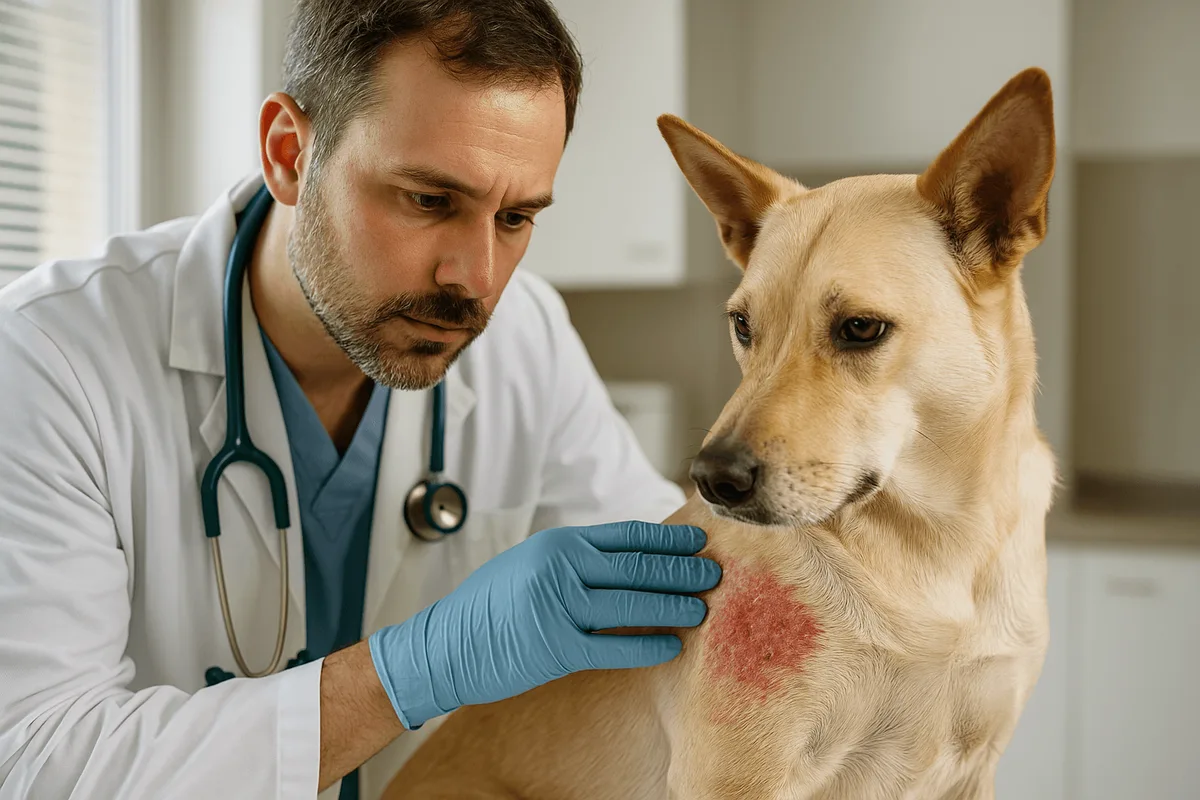
If your dog's been scratching nonstop, you're probably wondering how much is an allergy test for dogs before you book that vet appointment. The honest answer is that it depends on which test you choose, who performs it, and where you live. Blood panels run cheaper upfront, while skin tests at a specialist cost more but tend to give sharper results.
In our research across U.S. veterinary clinics, blood allergy panels land between $80 and $300, while intradermal skin tests at a dermatologist run $200 to $500 once you include the exam. As of 2026, most general vets can order a serum IgE panel in-house, but a board-certified veterinary dermatologist is still the gold standard for environmental allergy workups. Let's break down what actually drives that price tag.
Quick Answer
Most dog allergy tests cost between $80 and $500 in the U.S. as of 2026. A serum IgE blood panel at a general vet runs $80, $300, while an intradermal skin test at a veterinary dermatologist runs $200, $500, including the consultation. The price depends on the test type, the provider, and your region.
The Short Answer: What You'll Actually Pay
Here's the realistic range most dog owners see on their bill, depending on which route you take:
| Test Type | Typical Cost (2026) | Who Performs It |
|---|---|---|
| Serum IgE blood panel | $80–$300 | General practice vet |
| Intradermal skin test | $200–$500 | Veterinary dermatologist |
| Specialist consultation fee | $150–$300 | Board-certified dermatologist |
| Sedation (if required) | $50–$150 | Varies by clinic |
| Follow-up immunotherapy | $20–$80/month | Long-term, after testing |
If you're on a tight budget, the blood test is usually the entry point. If your dog has had chronic symptoms for years and nothing's worked, the dermatologist route often pays for itself because the results are more precise.
Why Dog Allergy Testing Costs Vary So Much
The price swings so wide because you're not just paying for a lab result. You're paying for the consultation, the expertise interpreting it, and sometimes the sedation to keep your dog still during the procedure.
Three things drive most of the variation:
- Provider type. A general vet charges less than a board-certified veterinary dermatologist, but the dermatologist usually interprets the results in a more clinically useful way.
- Test method. Blood tests are cheaper and easier, but intradermal skin testing is more sensitive for environmental allergens like pollen and dust mites.
- Geography. Urban clinics in cities like New York or San Francisco charge 20, 40% more than rural practices in the Midwest or South.
There's also a hidden layer most owners don't see. The "test" line item often doesn't include the office visit, the sedation, or the follow-up rechecks. Ask for an itemized estimate before you commit.
Blood Test vs. Skin Test: Which Path Are You Actually On?
The two main tests measure similar things but in very different ways. The one your vet recommends usually depends on your dog's age, symptoms, and how quickly you need answers.
Serum IgE Blood Test
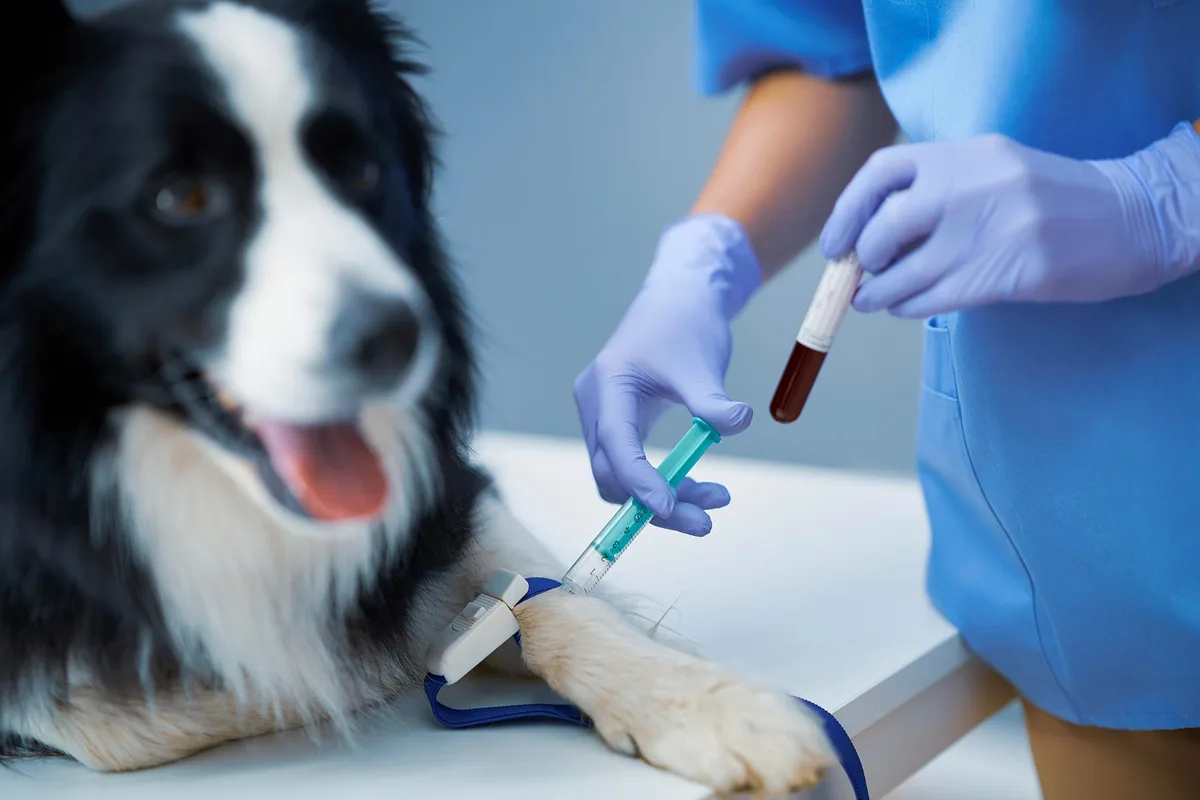
This is the more accessible option. Your vet draws a blood sample and sends it to a lab that screens for allergen-specific IgE antibodies. Most panels cover 40, 80 allergens, including common grasses, trees, mold, dust mites, and sometimes flea saliva.
Pros:
- No sedation needed
- Single blood draw, often done during a routine visit
- Results in 1, 3 weeks
- Lower upfront cost
Cons:
- Higher false positive rate than skin testing
- Doesn't always reflect what your dog actually reacts to in real life
- Less useful for dogs currently on steroids or antihistamines
Intradermal Skin Test
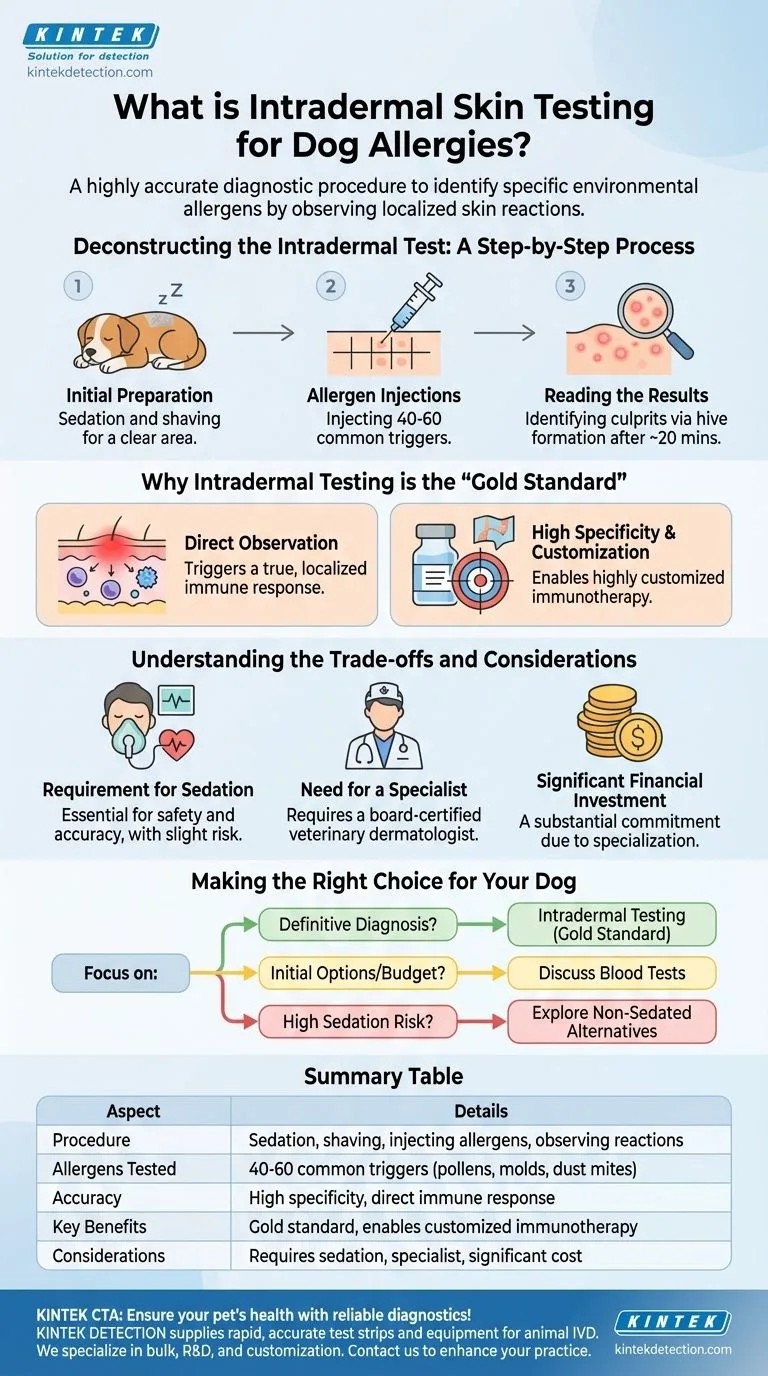
This is the dermatology gold standard. A veterinary dermatologist injects tiny amounts of allergens just under your dog's skin, usually on a shaved patch on the side or belly, then watches for reactions over 15, 20 minutes.
Pros:
- Considered more accurate for environmental allergies
- Results are visible immediately
- Helps guide immunotherapy dosing precisely
- Better for dogs with year-round symptoms
Cons:
- Requires sedation in most dogs
- Fur must be shaved at the test site
- Costs more upfront
- Usually needs a referral from your primary vet
So who's each option best for?
- Choose the blood test if your dog is young, mildly symptomatic, or you want a quick screening before committing to a full workup.
- Choose the skin test if your dog has chronic, year-round symptoms, hasn't responded to standard treatments, and you're ready to start immunotherapy.
The General Vet Route vs. the Veterinary Dermatologist
Most owners start with their primary vet, and for good reason. It's cheaper, faster to schedule, and usually enough to spot a clear pattern. But there's a fork in the road worth understanding.
General Practice Veterinarian
Your regular vet can order a serum IgE panel, interpret basic results, and start a treatment plan. For straightforward cases, this works well.
What they handle:
- Initial symptom workup
- Ruling out parasites, infections, or thyroid issues first
- Ordering serum IgE panels
- Prescribing antihistamines or Apoquel for symptom relief
- Recommending prescription diets for suspected food allergies
Where they stop:
- They usually don't perform intradermal skin testing
- They may refer complex or non-responsive cases out
- Interpretation of nuanced panels is limited compared to a specialist
Board-Certified Veterinary Dermatologist
A vet with extra years of dermatology training and certification through the American College of Veterinary Dermatology (ACVD). You'll need a referral in most cases.
What they handle:
- Full intradermal skin testing under sedation
- Custom immunotherapy formulation (allergy shots or sublingual drops)
- Complex or overlapping allergy cases
- Long-term management of severe atopic dermatitis
The consultation alone runs $150, $300 before any testing happens. But if your dog has been itchy for months and you've already tried the basics, this is often where real answers come from.
The American Veterinary Medical Association (AVMA) maintains a directory you can use to find a board-certified specialist in your area at avma.org.
What Goes Into the Final Bill (Beyond the Test Itself)
The sticker price on the test is rarely the final number. Most owners see charges stacked on top of the base test cost, and they add up fast.
Here's a typical line-item breakdown for a dermatology workup:
| Line Item | Estimated Cost |
|---|---|
| Initial consultation | $150–$300 |
| Intradermal skin test | $200–$500 |
| Sedation | $50–$150 |
| Blood panel (if also done) | $80–$200 |
| Cytology or skin scraping | $40–$100 |
| Follow-up rechecks | $50–$100 each |
For a blood-test-only route through your general vet, the bill is usually leaner:
| Line Item | Estimated Cost |
|---|---|
| Office visit | $50–$100 |
| Serum IgE panel | $80–$300 |
| Follow-up visit | $50–$75 |
Ask your vet's office for a written estimate before booking. Most clinics will email one within a day or two. If they won't, that's a red flag.
Note: If your dog is currently on Apoquel, Cytopoint, steroids, or antihistamines, your vet may need to taper or pause these medications before testing. Skipping that step can throw off results and cost you a redo.
Cost Breakdown by Test Type and Setting
The exact number on your bill depends on three layers: who's doing it, what's being tested, and where you live. Here's how it stacks up in practice.
| Setting | Test Type | Typical 2026 Cost |
|---|---|---|
| General vet, rural | Serum IgE panel | $80–$180 |
| General vet, urban | Serum IgE panel | $150–$300 |
| Dermatologist, rural | Intradermal skin test | $200–$350 |
| Dermatologist, urban | Intradermal skin test | $350–$500 |
| Teaching hospital | Either | $250–$600 |
Teaching hospitals sometimes cost more because you're paying for the expertise of residents and board-certified faculty. The flip side is that tough cases often get solved there.
Regional Pricing: Urban Clinics, Rural Vets, and Teaching Hospitals
Geography moves the needle more than most people expect. A serum IgE panel that runs $120 in Kansas City can easily hit $280 in San Francisco for the exact same lab work.
Why the spread?
- Cost of living flows directly into veterinary pricing.
- Specialist availability is thin outside major metros, so prices skew higher where supply is low.
- Teaching hospitals in places like UC Davis, Cornell, or the University of Florida add a premium for specialist access.
If you live in a region with limited dermatology coverage, traveling to a teaching hospital can actually save money compared to a single private specialist visit. Many also offer payment plans.
Pet Insurance and Allergy Testing: What's Usually Covered
Pet insurance is a wild card here. Coverage depends entirely on whether your dog's allergies were flagged before your policy started.
Most accident-and-illness plans will reimburse 60, 90% of the diagnostic cost if allergies are a new condition. Pre-existing allergies are almost never covered, and that includes symptoms you may have casually mentioned at a puppy visit.
What to check in your policy:
- The waiting period (often 14, 30 days for illness)
- Whether "alternative therapies" like immunotherapy count as covered treatment
- Annual caps and per-condition limits
- Whether the exam fee is reimbursable separately
If you're shopping for a new policy and your dog already scratches, look for one that excludes pre-existing conditions by symptom rather than by diagnosis. Those policies give you more flexibility down the road.
What to Do Before the Appointment (and What to Stop Giving Your Dog)
The prep window matters as much as the test itself. Most false results trace back to medications that weren't paused in time.
Here's a quick prep checklist:
- Stop antihistamines 10, 14 days before testing. That means Benadryl, Zyrtec, Claritin, and prescription options like hydroxyzine.
- Talk to your vet about Apoquel and Cytopoint timing. These often need a longer washout.
- Skip the medicated shampoo for about a week. It can mask skin reactivity during intradermal testing.
- Bring photos of flare-ups. If your dog's symptoms come and go, visual history helps the vet connect the dots.
- Write down food, treats, and cleaning products. Patterns often hide in plain sight.
If your dog is on long-term steroids, your vet may need to taper slowly rather than stop cold. Don't adjust anything without their input.
Step-by-Step: What Happens During Each Type of Allergy Test
Blood Test Workflow
A serum IgE test is about as routine as vet visits get. Your vet draws a few milliliters of blood, spins it down, and ships the serum to a reference lab. Most panels screen 40, 80 allergens at once, depending on your region and the lab your vet uses.
Turnaround is usually 1, 3 weeks. Once results are in, your vet will walk you through which allergens scored highest and what that means practically.
Intradermal Skin Test Workflow
This one is more involved. Expect it to take 1, 2 hours at the clinic.
Here's the typical sequence:
- Shaving. A patch on the dog's side or belly gets clipped so the injector sites are visible.
- Sedation. Light sedation keeps your dog calm and still. Full anesthesia isn't usually needed.
- Injection grid. The dermatologist injects small amounts of allergens in a marked grid pattern.
- Reading. After about 15, 20 minutes, the vet checks each site for swelling or redness.
- Result interpretation. Positive reactions show up as raised wheals. The size helps grade severity.
Some dogs get a mild sedative hangover for the rest of the day. Plan for low activity after the visit.
Reading the Results: What the Numbers Actually Mean
A positive result doesn't automatically mean your dog is allergic to that substance. It means their immune system has made IgE antibodies against it. The clinical picture matters more than the lab value alone.
Your vet will look at three things:
- The score. Most panels rank reactions on a scale of 0 to 4 or 0 to 6.
- The symptom overlap. A high score for Bermuda grass only matters if your dog flares up in summer.
- The pattern across allergens. Cross-reactivity can cause false clusters.
If the results don't line up with what you're seeing at home, trust the symptoms and ask about a different panel or retesting.
Common Mistakes Dog Owners Make With Allergy Testing
These are the pitfalls we see over and over in clinic reviews and owner forums.
- Testing before ruling out the basics. Fleas, mites, and skin infections can mimic allergies. Test those first.
- Skipping the medication washout. Antihistamines still in the system can flatten a real reaction.
- Reading the panel as a diagnosis. It's a guide, not gospel.
- Stopping treatment after testing. Knowing the trigger is step one. Step two is managing exposure or starting immunotherapy.
- Ignoring food. Blood tests for food allergens are notoriously unreliable. An elimination diet is the real test.
When an Allergy Test Isn't the Right Next Step
Sometimes the smartest move is to skip testing entirely for now. If your dog has obvious, seasonal symptoms that respond to a single round of medication, your vet may just treat and monitor.
Testing makes the most sense when:
- Symptoms last more than 4 months a year
- Multiple medications have failed
- You're considering immunotherapy
- The dog is young and you're planning long-term care
For mild, occasional itching, a trial of flea control, antihistamines, or a diet change often tells you what you need to know at a fraction of the cost.
Allergy Shots, Drops, and Long-Term Treatment Costs
Once you have a test result, immunotherapy is the most targeted long-term option. It's custom-mixed based on your dog's specific allergens.
| Treatment Form | Typical Monthly Cost |
|---|---|
| Subcutaneous allergy shots | $25–$80 |
| Sublingual drops | $60–$120 |
Most dogs show meaningful improvement within 6, 12 months. About 60, 80% respond well, per peer-reviewed data in journals like Veterinary Dermatology. The rest may need additional medication on top of immunotherapy.
Maintaining a Treatment Plan After the Test
Once results are in, the real work begins. Most dogs need a layered plan that combines allergen avoidance, ongoing medication, and immunotherapy if you go that route.
- Track flare patterns in a simple journal. Seasonal or location-based clues often show up within a few months.
- Stick with the immunotherapy schedule. Missed doses reset progress and stretch out the timeline.
- Recheck with your vet every 6, 12 months. Medication doses and immunotherapy strength often need fine-tuning.
Consistency matters more than perfection. Small daily habits add up faster than occasional big interventions.
Frequently Asked Questions
Does pet insurance cover dog allergy testing?
Usually yes, if the allergy is a new condition and not flagged before your policy started. Reimbursement typically runs 60, 90% after the deductible. Always confirm with your insurer first.
How long does an allergy test take at the vet?
A blood draw takes about 10 minutes during a regular visit. An intradermal skin test takes 1, 2 hours including sedation and observation.
Can a dog be tested for food allergies with a blood test?
Not reliably. Blood panels for food allergens produce lots of false positives. A vet-supervised elimination diet is the gold standard for food allergies.
Do I need to stop medications before the test?
Yes. Antihistamines usually need a 10, 14 day washout. Steroids and Apoquel may need longer.
Your vet will give you a specific timeline based on your dog's meds.
Are at-home dog allergy test kits worth it?
Most vets don't recommend saliva or hair-based kits sold online. They're not validated by the FDA or AVMA, and results often mislead owners into unnecessary diet changes.
How often does my dog need retesting?
Typically not at all, unless symptoms shift dramatically or immunotherapy needs adjusting. One solid panel usually lasts your dog's lifetime for environmental allergens.
Your Decision Guide: Choosing the Right Test for Your Dog and Budget
Here's the decision flow in plain English.
If your dog has mild or seasonal symptoms, start with your general vet and a serum IgE panel. Budget roughly $150, $300 total for the visit, test, and follow-up.
If symptoms are chronic, severe, or unresponsive to medication, ask for a referral to a board-certified dermatologist. Budget $400, $800 for the full workup, then $40, $100/month for ongoing immunotherapy if needed.
If cost is the main constraint, ask about payment plans through the clinic, CareCredit, or a teaching hospital near you. Many offer sliding-scale options that bring specialist care within reach.
The right test is the one that matches your dog's symptom pattern and your budget. There's no single correct answer, just the smartest next step for your situation.