Stop a cat from eating dog food by feeding pets in separate spaces, removing leftover food, and giving your cat complete cat food on a steady schedule.
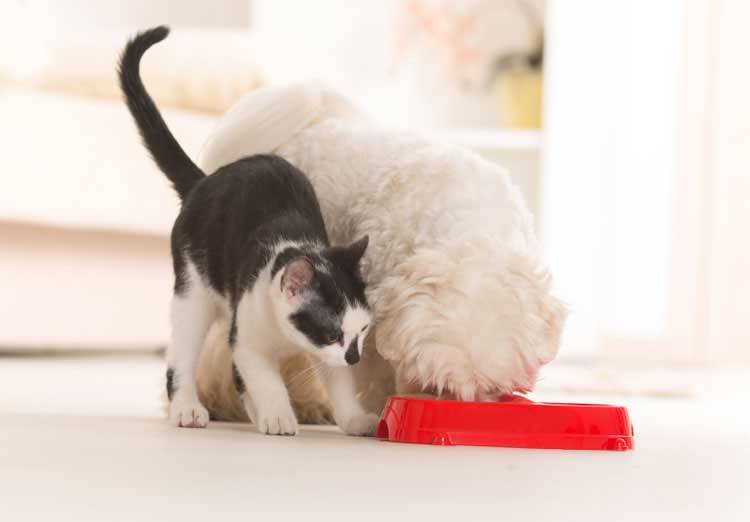
In many American homes, dogs and cats share the kitchen, living room, and family routines. That can make mealtime tricky when a curious cat sneaks into the dog’s bowl. Dog food may smell and taste appealing to cats, but it is not made to meet all their nutritional needs.
The simplest fix is to make each pet’s food easy to reach for the right animal and hard to reach for the other. Feed your dog and cat in separate areas, watch them while they eat, and pick up bowls when mealtime ends. These small changes can help protect your cat’s diet without making meals stressful for either pet.
A cat that eats a few pieces of dog food by accident usually does not need to panic. However, regular access can crowd out the nutrients your cat needs. A sudden change in appetite, repeated food stealing, or signs of illness may also point to a problem that needs veterinary care.
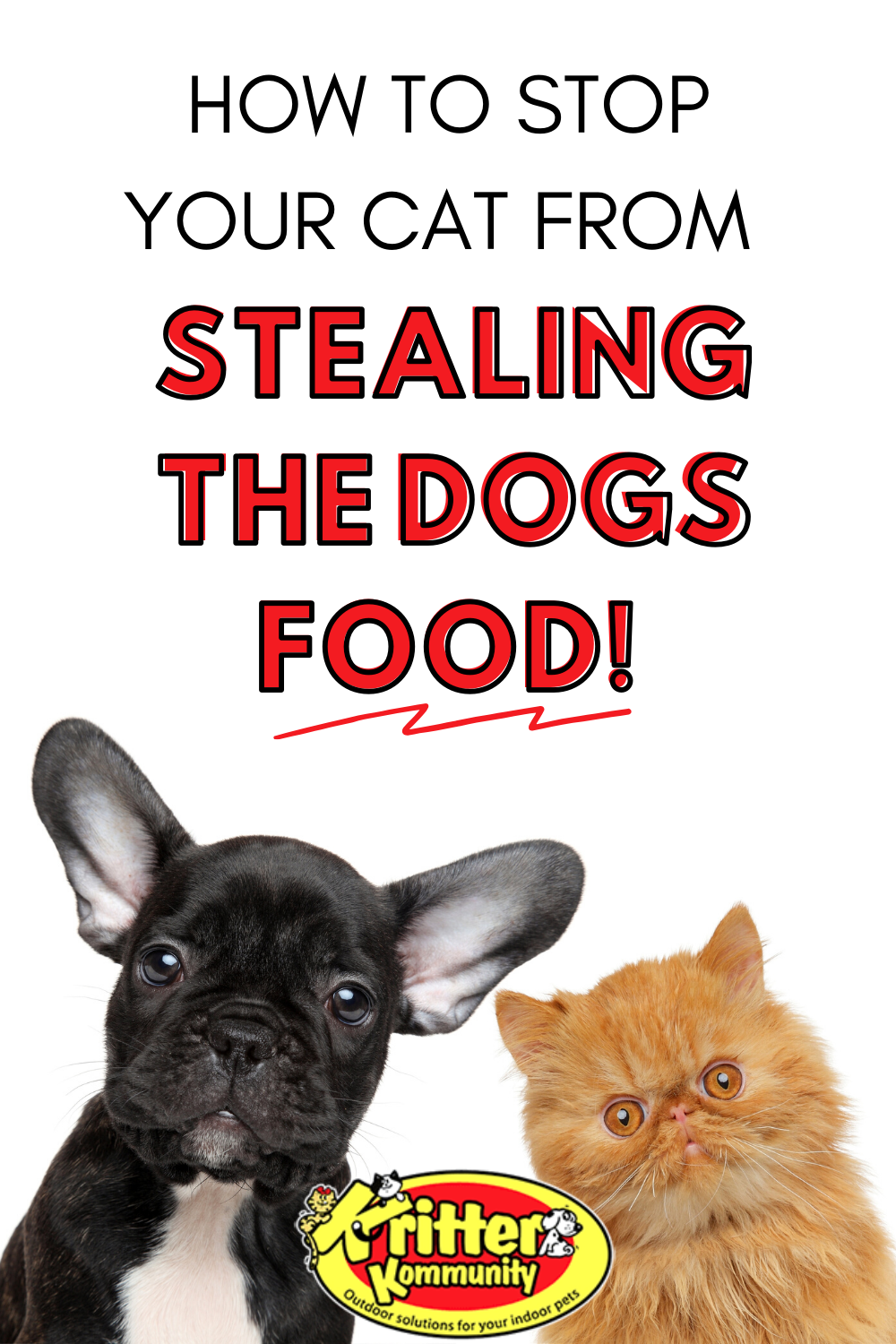
Source: i.pinimg.com
Why You Should Stop Your Cat From Eating Dog Food
Cats and dogs have different nutritional needs. Cats are obligate carnivores, which means they need nutrients found naturally in animal tissues and must receive certain nutrients in their diet. Dog food is formulated for dogs, not to meet every nutritional need of a cat.
A small accidental taste of ordinary dog food is unlikely to harm a healthy cat. The concern is repeated eating, especially when dog food replaces part of the cat’s regular meals. Over time, this can leave your cat short of nutrients that are essential for feline health.
Cats need dietary taurine, preformed vitamin A, arachidonic acid, and other nutrients in appropriate amounts. Dog foods are not necessarily formulated to provide the levels and forms cats require. A cat that fills up on dog food may also eat less of its own balanced food.
The goal is not to make your cat afraid of the dog’s bowl. It is to set up a routine that gives each pet the right food, enough space, and a calm place to eat.
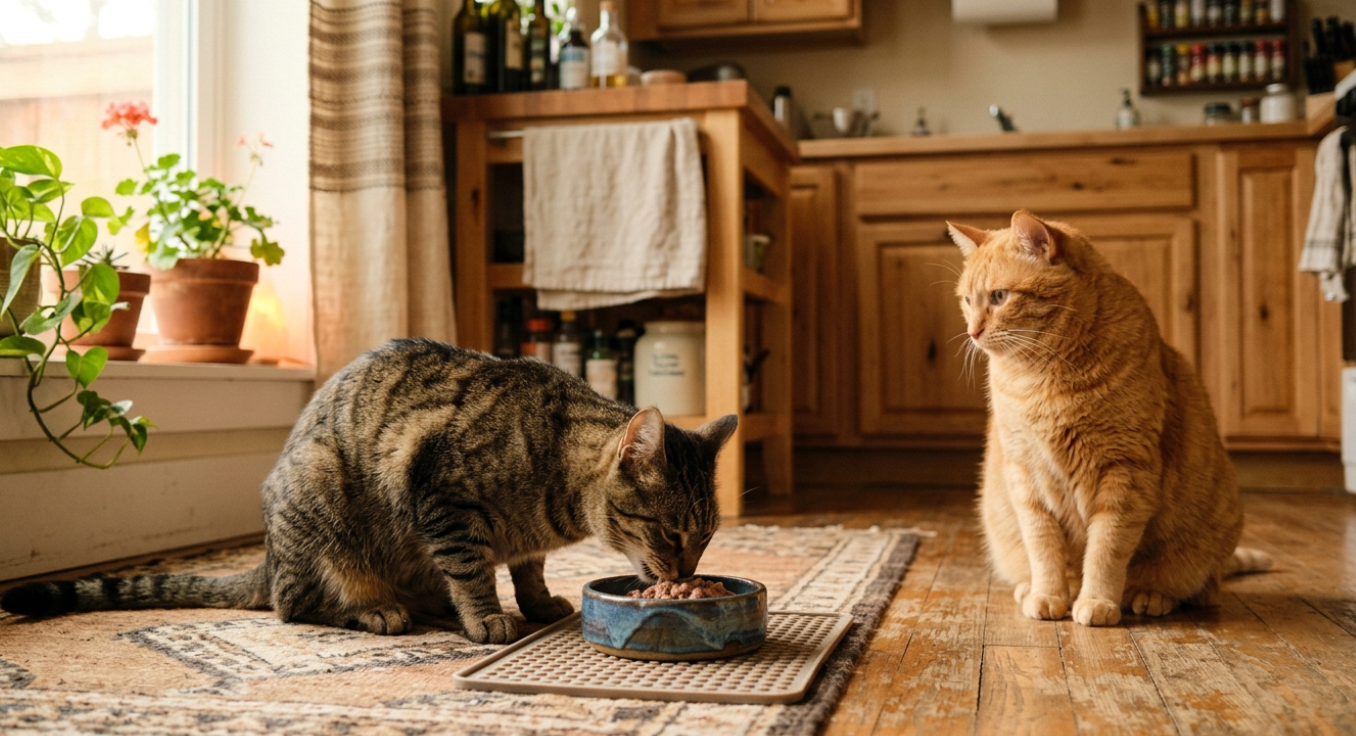
Source: petspecial.net
Different nutrient needs
Cats need a feline-appropriate diet with the right balance of protein, fat, vitamins, minerals, and essential nutrients. Dog food is designed around canine requirements.
Less room for proper meals
If your cat eats enough dog food to feel full, it may leave its own food untouched and miss important nutrients.
Possible digestive upset
A sudden change in food or a large amount of unfamiliar food may cause vomiting, loose stools, or other digestive problems in some cats.
Is Dog Food Toxic to Cats?
Ordinary dog food is not automatically toxic to cats. A few bites of a standard commercial dog food are generally less concerning than a cat eating it as a regular meal. Still, a food’s suitability depends on its ingredients, the amount eaten, and the cat’s health.
If your cat eats dog food containing an unusual ingredient, a spoiled product, or a food that may contain a harmful substance, contact your veterinarian for advice. Seek prompt help if your cat has repeated vomiting, severe diarrhea, trouble breathing, collapse, or marked weakness.
Occasional nibbling
Remove the dog food, offer the cat its normal food, and monitor for unusual signs.
Regular food stealing
Change the feeding setup so dog food cannot replace your cat’s balanced diet.
Possible harmful exposure
Contact a veterinarian or an animal poison service promptly if the ingredients or amount raise concern.
1. Feed Your Cat and Dog in Separate Rooms
Separate feeding areas are often the easiest way to stop a cat from eating dog food. Choose two spaces that let both pets eat without staring at each other or competing for bowls. For example, your dog could eat in the kitchen while your cat eats in a bedroom or another quiet room.
Before serving food, take each pet to its assigned area. Put down the bowls and give both animals time to eat without interruption. Close the door or use a secure barrier if your cat tends to slip into the dog’s space.
Stay nearby during the first several meals. If your cat finishes early and heads toward the dog, calmly redirect it to its own area. Avoid shouting or chasing the cat, since that can turn mealtime into a stressful game.
Once both pets finish, pick up the bowls and store the food. A consistent routine teaches your cat that the dog’s bowl is not an extra food source.
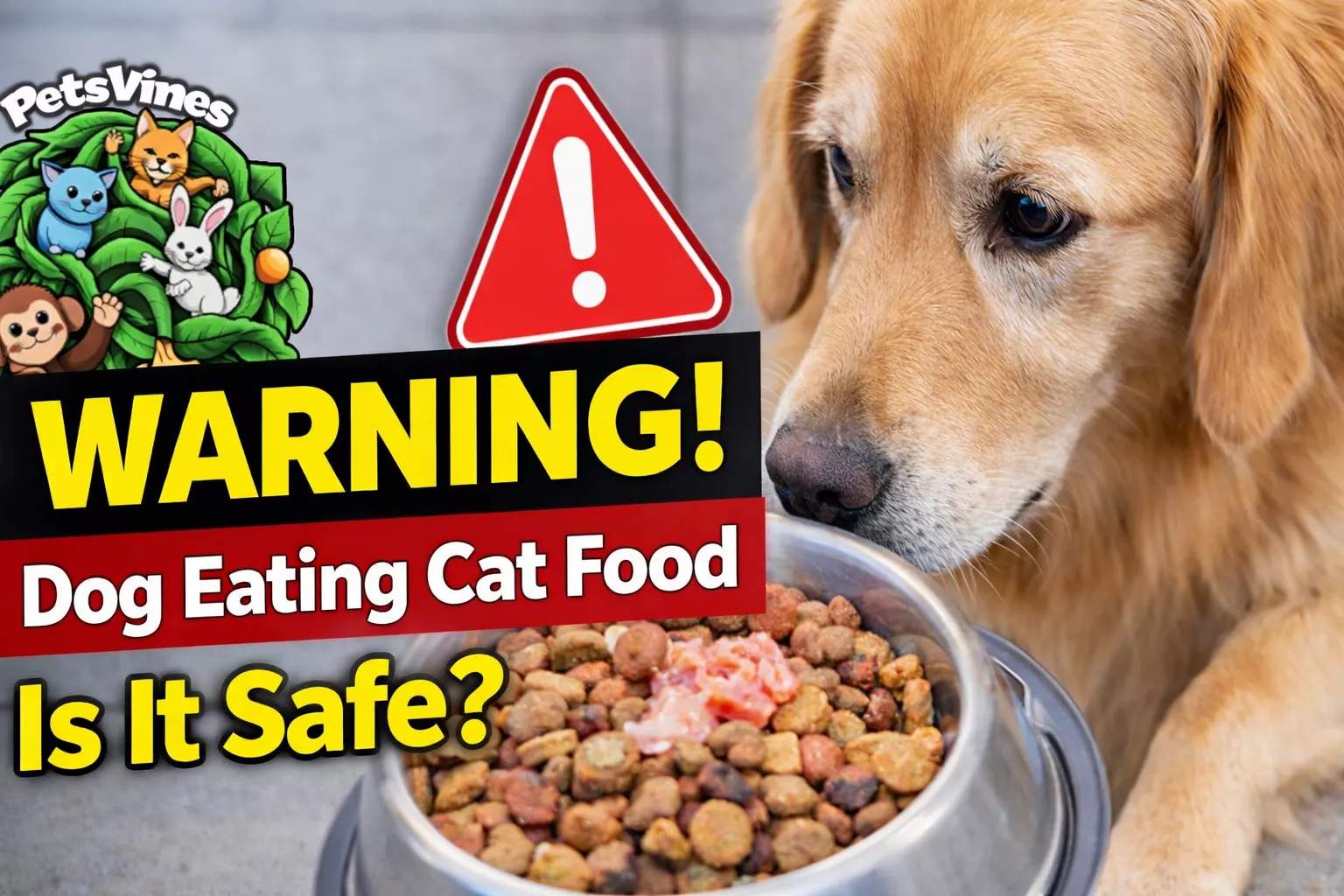
Source: petsvines.com
Choose quiet locations
Keep feeding stations away from busy walkways, loud appliances, and places where pets often compete for attention.
Use a physical barrier
A closed door or suitable pet gate can help prevent access. Choose a barrier that safely contains the dog and cannot trap or injure either pet.
Keep the schedule steady
Serve meals at predictable times so both pets can learn when and where food will be available.
What If Your Cat Finishes First?
Give your cat a small activity after its meal, such as a short play session, a puzzle feeder designed for cats, or time in another comfortable room. This can keep it occupied while the dog finishes eating.
Do not let the cat wait beside the dog’s bowl. Even a few successful steals may reinforce the habit because the cat gets a tasty reward. A door or barrier is more reliable than repeated verbal reminders.
Redirect early
Move your cat away before it reaches the dog’s bowl, then offer an appropriate activity.
Reward the right choice
Give praise or a small cat-safe treat when your cat stays in its own feeding area.
2. Remove Leftover Dog Food After Every Meal
Leaving dog food out all day gives your cat repeated chances to sneak a bite. If your dog grazes throughout the day, this can make separation harder. A planned feeding routine helps you control access to both food and feeding areas.
Offer your dog its usual portion at a set time, following the food label and your veterinarian’s advice. Allow a reasonable meal period based on your dog’s needs, then remove the bowl when the dog has finished or the meal period ends. Do not force a dog to eat faster than is comfortable.
If your dog regularly leaves food behind, review the portion size, food freshness, feeding environment, and any changes in appetite. A sudden loss of appetite can be a health concern, so do not treat every unfinished meal as simple fussiness.
Store dry dog food in a sealed container that keeps it fresh and prevents pets from reaching it. Put wet food away safely after the meal, and follow the package’s storage instructions.
Source: i.pinimg.com
Measure the dog’s portion
Use the feeding guide as a starting point and adjust with veterinary advice based on body condition, activity, and health.
Collect the bowl
Remove leftover food promptly so your cat cannot return to it when no one is watching.
Clean up spills
Wipe away crumbs and food residue that may attract a curious cat back to the feeding area.
Should You Let Your Dog Free-Feed?
Free-feeding means leaving food available for a pet to eat over time. It can be difficult in a home where a cat steals from the dog’s bowl, because the dog food remains accessible whenever the cat wanders by.
You can ask your veterinarian whether scheduled meals suit your dog. Some dogs need a different feeding plan because of age, medication, medical conditions, or other needs. Do not change a medically required feeding routine without professional guidance; instead, use a secure feeding space or another method that protects both pets’ access to food.
Scheduled meals
Often work well when both pets can eat at predictable times and finish without competition.
Protected feeding
May be better when the dog needs food available for longer periods or cannot follow a standard schedule.
3. Make Your Cat’s Feeding Area More Appealing
A cat may visit the dog’s bowl because the food smells interesting, the feeding area feels safer, or the cat prefers the dog’s food texture. You can make the cat’s own feeding station more inviting without changing its diet unnecessarily.
Choose a quiet spot where your cat can eat without being crowded by the dog. Place the bowl away from the litter box and noisy household activity. Use a clean, stable dish that is easy for your cat to reach.
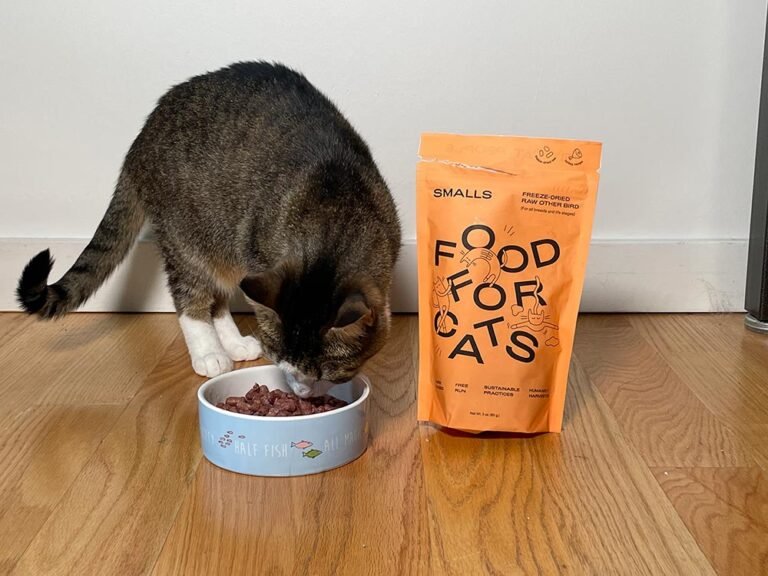
Offer a complete and balanced cat food that fits your cat’s life stage. If your cat consistently rejects its normal food, consider whether the food is fresh, the bowl is clean, or the feeding location is stressful. Ask your veterinarian before making a major diet change, especially if your cat has a medical condition.
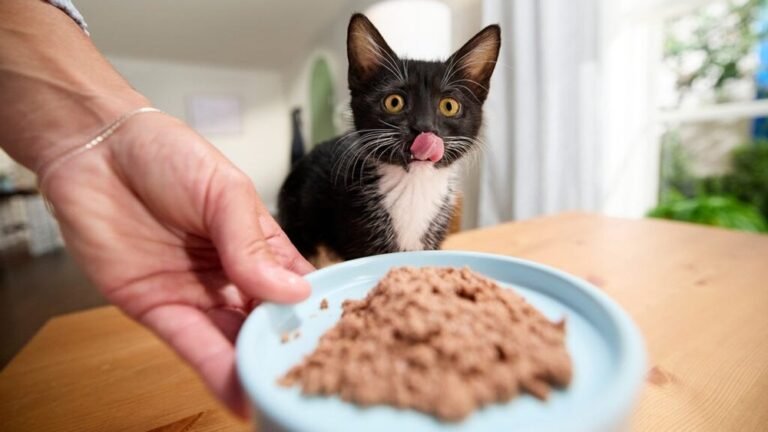
Some cats prefer wet food, while others eat dry food more readily. Neither preference means you should let the cat replace its diet with dog food. The right choice is a nutritionally appropriate cat food that your pet will eat reliably.
Source: pupvine.com
Keep bowls clean
Wash food dishes regularly and remove old food that has dried out or become unappealing.
Reduce competition
Give your cat a separate station where the dog cannot crowd, stare at, or interrupt it.
Offer suitable food
Choose food labeled complete and balanced for the cat’s relevant life stage, rather than relying on dog food or treats.
Should You Change Your Cat’s Food?
Not always. If your cat eats its normal meals happily but steals dog food when given the chance, changing the food may not solve the access problem. Start by separating the bowls and removing leftovers.
If your cat refuses its usual food or has a reduced appetite, look for other changes such as dental discomfort, nausea, stress, or illness. Cats should not go without adequate food while you test different options. Contact your veterinarian promptly if your cat stops eating, particularly if it has a health condition or is overweight.
When the cat eats normally
Keep its current complete and balanced food if it remains appropriate for its age and health.
When appetite changes
Seek veterinary guidance rather than assuming your cat is simply being picky.
4. Use Height, Gates, or a Microchip Feeder
If your cat keeps reaching the dog’s bowl, change the physical layout of the feeding area. The best setup depends on the pets’ size, mobility, habits, and ability to pass through barriers.
A high feeding surface may work for a healthy, agile cat if the dog cannot reach it. However, a raised bowl is not suitable for every cat, especially one with arthritis, balance problems, or limited mobility. Make sure the feeding spot is stable and easy to access.
A pet gate can divide a room while allowing people to move through the home. Some cats can jump over or squeeze through ordinary gates, so choose a design that actually prevents access. Do not use a barrier that could trap a pet or block access to water, litter, or a safe resting place.
For households with persistent food stealing, a microchip-activated feeder may help. Some models open only for a registered pet, which can protect the food inside. Check the product’s access method, size, and suitability for your cat before buying; it is not a substitute for veterinary advice or a balanced diet.
Source: dailypaws.com
Raised feeding station
Can help when the cat can reach a secure surface comfortably and the dog cannot access the food.
Pet gate or closed room
Provides a physical boundary and may be the simplest option for homes with enough space.
Microchip feeder
May restrict access to the cat’s food or another pet’s food, depending on the model and how it is configured.
Which Feeding Setup Should You Choose?
Start with the least complicated option that reliably prevents stealing. A separate room costs little and is often enough, while a gate or feeder can help when your layout or work schedule makes direct supervision difficult.
The goal is reliable access control, not an elaborate feeding station. If a method requires constant chasing, leaves one pet unable to reach water, or causes fear around meals, adjust the setup.
Choose separate rooms
Best when both pets can eat safely behind a closed door.
Choose a barrier
Useful when you need visual contact but must block access to the bowl.
Consider an automatic feeder
Worth considering when food theft continues despite separation and the feeder suits the pet’s size and needs.
5. Teach Your Cat to Stay Away From the Dog’s Bowl
Training can help reduce food stealing, but it works best alongside physical separation. A hungry or highly motivated cat may ignore a verbal cue when a tempting bowl is within reach. Preventing access keeps the cat from rehearsing the unwanted behavior while you build a better habit.
Choose a simple cue, such as calling your cat to its feeding station. Practice when the dog is not eating. Say the cue, reward the cat for moving to its own spot, and repeat in short sessions.
Once your cat responds reliably, practice while the dog is nearby but the food is protected. Reward the cat for staying in its own area. Keep sessions calm and end before either pet becomes frustrated.
Never hit, frighten, or spray your cat to stop food stealing. Punishment can increase stress and may teach the cat to steal when you are not watching. Rewarding the behavior you want is a safer and clearer approach.
Source: i.pinimg.com
Reward the correct location
Use praise, play, or a small portion of the cat’s own suitable food when it goes to its feeding station.
Practice in short sessions
Repeat the cue for a few minutes at a time rather than creating a long and stressful lesson.
Prevent successful stealing
Keep the dog’s bowl out of reach so your cat does not keep getting rewarded by the food itself.
What If Your Cat Ignores Training?
Do not assume your cat is stubborn. The dog food may be too tempting, the reward may not interest the cat, or the feeding arrangement may make the right behavior hard. Increase the distance from the dog’s bowl and make the barrier more reliable.
If the cat is constantly searching for food despite receiving enough meals, review its daily intake with a veterinarian. Persistent hunger can sometimes have a medical cause, particularly when it comes with weight loss, increased thirst, or increased urination.
Make success easier
Move the cat’s station farther away and block access before practicing the cue again.
Review food needs
Ask a veterinarian to assess portion size, body condition, and possible health issues if hunger seems unusual.
6. Check Whether Your Cat Is Getting Enough Food
A cat that frequently searches for the dog’s food may be hungry, but food stealing alone does not prove that the cat needs a larger meal. Cats may also be drawn to another animal’s food because it smells different or is easy to reach.
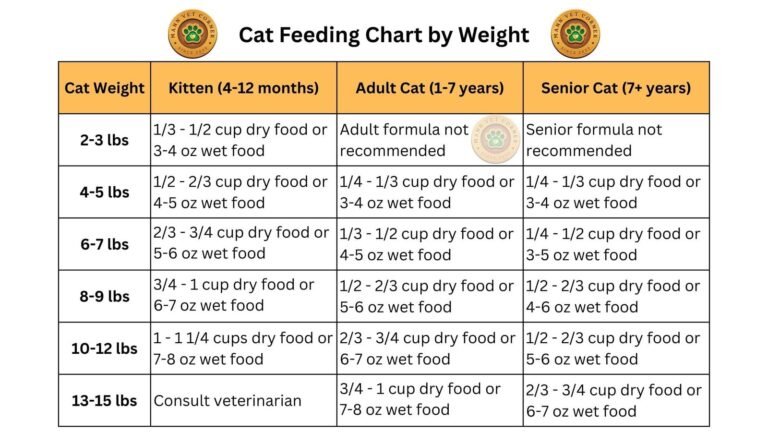
Review the feeding guide on your cat’s food packaging, then consider your cat’s age, weight, activity level, body condition, and health. Package amounts are general starting points, not a precise prescription for every cat. Your veterinarian can help estimate an appropriate daily intake.
Count treats and extras as part of the overall diet. If your cat receives many treats or table scraps, its main meals may need review. At the same time, do not sharply cut portions to stop stealing; a cat still needs enough complete and balanced food each day.
Kittens, pregnant or nursing cats, and cats with certain medical conditions may have different feeding needs. A plan designed for a healthy adult cat may not fit them. Ask your veterinarian before changing the diet of a cat with special needs.
Source: i.pinimg.com
Measure daily food
Use a kitchen scale or a consistent measuring tool to track how much food you offer and how much your cat actually eats.
Watch body condition
Look for gradual weight change rather than relying only on how eager your cat seems at mealtime.
Track treats
Include treats and other extras when discussing daily intake with your veterinarian.
When Food Seeking May Signal a Health Problem
A sudden increase in appetite deserves attention, especially if your cat is losing weight despite eating more. Increased thirst, more frequent urination, vomiting, diarrhea, or changes in activity can also signal a health issue.
Several conditions can change appetite, and it is not possible to diagnose the cause from food stealing alone. Arrange a veterinary assessment if the behavior begins suddenly, persists despite an appropriate diet, or occurs with other changes. Seek urgent help for severe weakness, breathing trouble, collapse, or repeated vomiting with marked distress.
Record what you notice
Write down when the behavior began, how much food your cat eats, and any changes in thirst, weight, urine, stool, or energy.
Do not delay care for red flags
Contact a veterinarian promptly if appetite changes come with weight loss or other concerning symptoms.
7. Manage Feeding in a Home With Multiple Pets
Homes with more than one cat and one dog may need a more detailed feeding plan. One pet may eat slowly, another may finish quickly, and a third may guard food or wander between bowls. The solution is to give every pet a reliable place to eat without competition.
Assign each animal a specific feeding station and keep its bowl in the same place. Feed pets in separate rooms when needed, and check that each one eats its own portion. If one pet needs a special prescription diet, make sure the other animals cannot reach it.
Keep water available to all pets throughout the day unless a veterinarian has given a specific medical instruction. Food separation should never leave a pet without water, access to a litter box, or a safe place to rest.
If one pet blocks another from eating, growls near bowls, or guards a feeding area, increase the distance between stations. Persistent conflict may need help from a veterinarian or a qualified animal behavior professional.
Source: oodlelife.com
Use individual stations
Label or identify each pet’s bowl and keep food portions separate.
Supervise special diets
Prevent access to prescription or medically restricted food that was intended for another animal.
Protect calm feeding
Increase space and use secure barriers if pets compete, guard food, or interrupt each other.
How to Keep the Routine Consistent When You Are Away
Tell family members, pet sitters, and other caregivers which bowl belongs to each pet and where each animal should eat. Leave clear instructions about meal portions, feeding times, and what to do with leftovers.
If you use an automatic feeder, test it before relying on it while away. Confirm that the correct pet can access the food and that another animal cannot empty the feeder. Check that the device has enough food and power for the planned period, and arrange appropriate human care for your pets.
Write a feeding plan
List each pet’s food, portion, time, location, and any special instructions.
Test equipment
Make sure gates and feeders work as intended before leaving pets without direct supervision.
Common Mistakes to Avoid
The most effective plan is one your household can follow every day. Some approaches appear convenient at first but fail because they leave food accessible, create stress, or overlook the cat’s nutritional needs.
Avoid trying several changes at once without checking what works. Begin with separate feeding spaces and prompt bowl removal, then add training or a feeder if the cat still reaches the dog’s food. Make sure each change keeps both animals comfortable and well fed.
Source: petmealplanner.com
Leaving dog food out all day
An unattended bowl gives your cat repeated access and makes the habit harder to prevent.
Assuming dog food is a suitable cat diet
Dog food is not designed to meet all feline nutrient needs, even when its ingredients seem similar to those in cat food.
Punishing the cat
Shouting, hitting, or frightening the cat can increase stress without teaching it where to eat.
Changing portions without checking needs
Overfeeding or underfeeding can create new health problems. Review portions using body condition and veterinary guidance.
Ignoring a sudden appetite change
New or intense food seeking can sometimes be linked to illness and should not always be treated as a behavior problem.
Using unsafe barriers
Do not block access to water, litter, or safe resting areas, and avoid unstable surfaces that could cause falls.
A Simple Troubleshooting Table
Use the table below to match the behavior with a practical first step. If the problem continues, review the feeding setup and your cat’s health rather than relying on repeated correction.
Your cat steals food while the dog eats
Feed them in separate rooms and close the door until both have finished.
Your cat eats leftover kibble
Remove the bowl after meals and store the remaining food in a secure container.
Your cat rejects its own food
Check freshness, bowl cleanliness, and feeding stress; contact your veterinarian if the reduced appetite persists or is sudden.
Your cat is hungry all the time
Review the feeding plan and arrange a veterinary check if hunger is new, persistent, or linked to weight loss or increased thirst.
Your dog needs food available for longer
Use a secure feeding area or suitable access-controlled feeder instead of removing food in a way that conflicts with veterinary instructions.
How to Tell Whether Your Plan Is Working
A good feeding plan makes food stealing less frequent while allowing both pets to eat calmly. You should be able to serve each meal without chasing the cat away from the dog’s bowl or leaving one animal anxious about losing its food.
Track the first week of changes. Note whether the cat reaches the dog’s bowl, whether the dog finishes its meals, and whether the cat eats its usual food. This simple record can show whether the barrier, schedule, or feeding location needs adjustment.
Do not judge success only by whether you catch the cat stealing food. A cat that stops stealing but also stops eating enough needs attention. Watch overall appetite, body condition, energy, and normal bathroom habits.
If the problem continues despite a secure setup, check for gaps in the barrier, access to unattended bowls, and differences in the pets’ feeding schedules. If the behavior is paired with unusual hunger or health changes, ask your veterinarian to help identify the cause.
Source: animalbehaviorcollege.com
Success sign: fewer attempts
Your cat spends less time near the dog’s bowl and returns to its own feeding station.
Success sign: normal eating
Both pets eat their appropriate food and maintain their usual appetite.
Success sign: calm behavior
Neither animal needs to guard its bowl, rush through meals, or compete for access.
When to Ask a Veterinarian for Help
Contact your veterinarian if your cat repeatedly eats dog food because it refuses its own meals, seems unusually hungry, or shows changes in weight or thirst. Your veterinarian can review the diet, assess body condition, and decide whether an examination or tests are needed.
Seek urgent veterinary care if your cat has difficulty breathing, collapses, becomes severely weak, or has repeated vomiting with significant distress. If you suspect the food contained a toxic ingredient or another dangerous substance, do not wait for symptoms before asking for advice.
Routine appointment
Appropriate for persistent food stealing accompanied by ongoing appetite or weight concerns that are not immediately severe.
Prompt or emergency care
Needed for severe symptoms, suspected toxic exposure, or a rapidly worsening condition.
Frequently Asked Questions
Q
Why does my cat keep eating my dog’s food?
Your cat may like the smell, taste, or texture of dog food. It may also be easy to reach, especially if the dog’s bowl stays full all day. Some cats seek extra food because their feeding routine does not suit them, while persistent or sudden hunger can sometimes signal a health issue.
Start by separating the feeding areas and removing leftovers. If your cat still seems hungry after eating an appropriate amount of complete cat food, or if its appetite has changed, ask your veterinarian to review its needs.
Q
Can a cat eat dog food once in a while?
A small amount of ordinary dog food is generally unlikely to harm a healthy cat. However, dog food should not become a regular substitute for cat food because it may not provide the nutrients cats need in the right amounts.
Remove the dog food and return to the cat’s normal balanced diet. Contact a veterinarian if your cat ate a large amount, has a health condition, develops symptoms, or may have eaten food containing a harmful ingredient.
Q
Will my cat get sick from eating dog food every day?
Regularly eating dog food can put a cat at risk of nutritional imbalance, particularly if it replaces a meaningful part of the cat’s complete diet. The risk depends on how much dog food the cat eats, what the food contains, and whether the cat receives enough appropriate cat food.
Prevent routine access and make sure your cat receives a complete and balanced feline diet. If your cat has eaten dog food regularly for a long time, discuss the feeding history with your veterinarian.
Q
How can I stop my cat from eating dog food when I am not home?
Feed the pets separately, remove leftovers before leaving, and keep stored food in secure containers. If your dog needs food available for longer periods, use a secure feeding room or an access-controlled feeder that suits the dog’s needs and prevents the cat from reaching the food.
Test any equipment before relying on it. Ensure both pets still have water, safe resting areas, and access to their normal care needs.
Q
Should I feed my cat before my dog?
There is no universal rule that a cat must eat before a dog. What matters most is that both pets receive the right food in a calm and secure space. You can feed them at the same time in separate rooms or feed one after the other if that is easier to manage.
If one pet finishes early, keep it away from the other bowl until the meal ends. A steady routine is usually more useful than the exact order of feeding.
Q
Can I use a raised bowl to keep my cat away from dog food?
A raised surface may help if your cat can reach it comfortably and the dog cannot. However, raising the dog’s bowl does not always stop a cat from climbing up, and it may create a fall risk if the surface is unstable.
For cats with arthritis, mobility problems, or balance concerns, avoid making food access harder. A separate room or secure barrier is often a more reliable choice.
Q
What should I do if my cat refuses cat food but eats dog food?
Do not assume the cat is simply being difficult. Dental pain, nausea, stress, food freshness, or illness can affect appetite. Offer its normal appropriate food in a quiet place, remove access to dog food, and contact your veterinarian if the cat refuses food or eats much less than usual.
Do not let a cat go without food for an extended period while testing different diets. Cats that stop eating can develop serious health problems, and overweight cats may be especially vulnerable to complications.
✦ Wrapping Up
Conclusion
The best way to stop a cat from eating dog food is to prevent easy access while making the cat’s own meals appealing, predictable, and nutritionally complete. Separate feeding rooms, prompt bowl removal, and calm redirection solve many cases without expensive equipment.
If those steps are not enough, consider a suitable gate, raised feeding station, or access-controlled feeder. Choose a setup that fits both pets’ mobility and feeding needs, and never block access to water or other essential resources.
Most importantly, watch for changes in appetite, weight, thirst, and behavior. Food stealing may be a learned habit, but a sudden or persistent increase in hunger can deserve a veterinary check.
💡 Key Takeaway
At the next meal, put your cat and dog in separate feeding areas, serve their usual appropriate portions, supervise them while they eat, and remove leftover dog food afterward. Repeat the routine consistently and contact your veterinarian if your cat’s appetite or health changes.