Grain vs Grain Free Dog Food: Which Is Better?


Is Grain-Inclusive Dog Food Good?
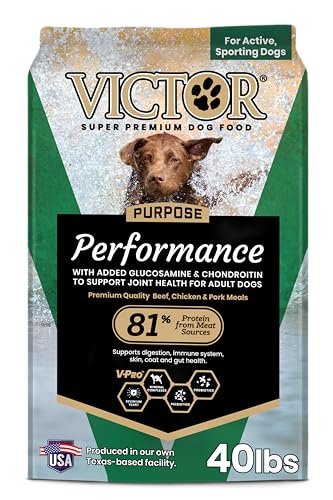
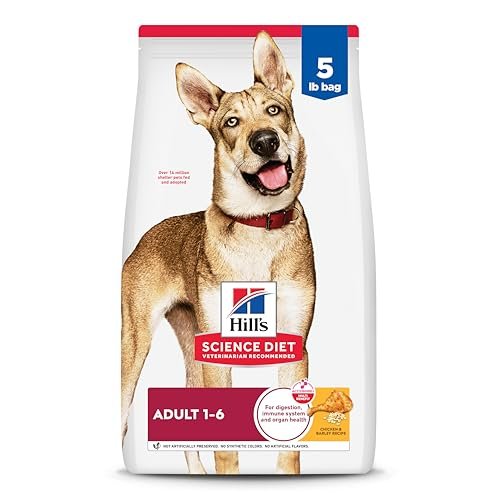
Yes, for many healthy dogs, grain-inclusive food is a strong everyday choice. Grains such as rice, barley, oats, and corn can supply carbohydrates and useful nutrients. They can also help provide fiber. The important point is that grains should be judged as part of the whole recipe, not as a single good or bad ingredient.
When I compare grain vs grain free dog food for normal daily feeding, I usually favor a well-made grain-inclusive formula. It feels like choosing a reliable family meal rather than chasing a food trend. In a busy U.S. routine, that simplicity matters. If my dog eats well, keeps a healthy weight, has normal stools, and gets a complete diet, I do not see a strong reason to remove grains just because the label sounds cleaner.
What Makes It Stand Out / Key Features
- Includes grainsMay use ingredients such as rice, oats, barley, or corn as part of the carbohydrate and nutrient mix.
- Useful carbohydratesGrains can provide digestible energy for active dogs when included in a balanced recipe.
- Fiber supportSome whole grains can add fiber that supports normal digestion and stool quality.
- Recipe flexibilityGrain-inclusive diets come in many protein, calorie, and life-stage options.
- Easy daily feedingA complete and balanced grain-inclusive food can fit well into a simple long-term feeding routine.
- No automatic health claimThe presence of grains does not by itself determine whether a food is high quality.
My Recommendation
Choose a grain-inclusive recipe when your dog is healthy, eats it well, and does not have a confirmed reason to avoid a grain ingredient. Focus on the full nutrition profile, not the front of the bag.
| Best For | Why |
|---|---|
| Healthy adult dogs | A simple option for routine feeding. |
| Budget-minded owners | Many grain-inclusive recipes offer good value. |
| Dogs without food allergies | There may be no need to remove grains. |
Is Open Farm Grain-Free Dog Food Good?
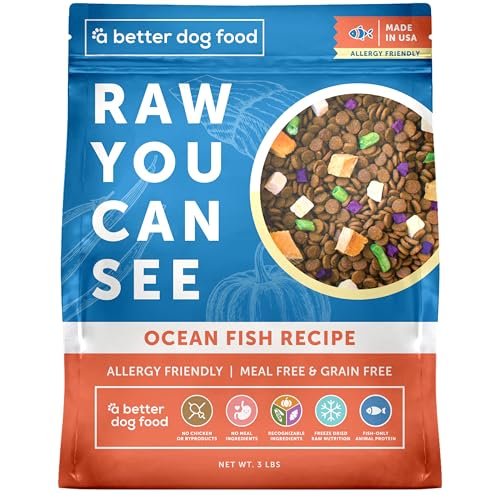
It depends. Open Farm’s grain-free pork dry dog food is a more specialized choice. The listed formula is grain-free, uses pork as its animal protein, and is marketed for all life stages. It also uses ingredients such as pumpkin and coconut oil. That makes it appealing if you want a grain-free recipe with a strong animal-protein focus.
In my grain vs grain free dog food comparison, I see this type of food as a choice with a clear purpose rather than a default winner. Grain-free does not mean grain-free is healthier for every dog. If your veterinarian has suggested a grain-free diet for a specific reason, this kind of formula may be worth considering. For a healthy dog with no such need, I would compare the full nutrient profile before paying more simply for the grain-free label.
What Makes It Stand Out / Key Features
- Grain-free recipeThe formula does not use traditional cereal grains as its main carbohydrate sources.
- Pork proteinThe recipe uses pork as a named animal protein source.
- High animal ingredient focusThe product is designed around a high-protein approach with animal ingredients.
- PumpkinPumpkin is included as a plant ingredient and can contribute fiber.
- Coconut oilCoconut oil is included as a source of dietary fat.
- All life stagesThe listed product is formulated and marketed for dogs across life stages.
My Recommendation
Consider this type of grain-free food when there is a clear dietary reason or a well-informed preference. Do not choose it only because grain-free sounds healthier.
| Best For | Why |
|---|---|
| Owners seeking grain-free food | It removes traditional cereal grains from the recipe. |
| Dogs that enjoy pork recipes | Pork gives the recipe a distinct animal-protein profile. |
| Special diet discussions | Useful when a veterinarian has a clear reason for a grain-free approach. |
grain vs grain free dog food: Side-by-Side Test
The biggest lesson from grain vs grain free dog food is simple: neither label tells the whole story. A good dog food should fit the dog’s needs and provide complete nutrition.
I would compare protein sources, calories, fiber, ingredients, life-stage needs, and your dog’s health before making the final choice. Think of the label as a map. The first word on the bag is not the whole journey.
Everyday Nutrition: Which Wins?
For routine feeding, the best choice is usually the complete recipe that your dog tolerates well.
| Feature | Product 1 | Product 2 |
|---|---|---|
| Basic diet fit | Strong for many healthy dogs | Strong when grain-free fits the dog’s needs |
| Carbohydrate sources | Includes grains | Uses non-grain carbohydrate sources |
| Recipe flexibility | Very high | High |
⭐ Product A – 9/10 | Product B – 8/10
Edge: Grain-inclusive food for simple everyday feeding.
Protein: Which Does More?
Protein matters for muscle, repair, and normal body function, but more is not always better.
| Feature | Product 1 | Product 2 |
|---|---|---|
| Named animal protein | Depends on recipe | Pork-based recipe |
| High-protein focus | Varies by formula | Strong focus |
| Protein source variety | Very broad | Recipe-specific |
⭐ Product A – 8/10 | Product B – 9/10
Edge: Open Farm grain-free for a clear animal-protein focus.
Digestibility: Which Is Easier?
Digestibility depends on the full recipe and the individual dog, not simply on whether grains appear.
| Feature | Product 1 | Product 2 |
|---|---|---|
| Digestibility | Often good in well-made recipes | Can be good, but varies by dog |
| Fiber sources | May include grain fiber | May use plant and pulse fiber |
| Individual response | Dog-specific | Dog-specific |
⭐ Product A – 9/10 | Product B – 8/10
Edge: Grain-inclusive food by a small margin, but your dog’s response matters most.
Food Allergies: Which Wins?
A true food allergy is different from a general dislike or upset stomach, so diagnosis matters.
| Feature | Product 1 | Product 2 |
|---|---|---|
| Avoids cereal grains | No | Yes |
| Useful for confirmed grain allergy | Usually not the first choice | May fit, with veterinary guidance |
| Food allergy diagnosis | Needs veterinary assessment | Needs veterinary assessment |
⭐ Product A – 6/10 | Product B – 9/10
Edge: Grain-free food when a veterinarian confirms that avoiding a grain ingredient makes sense.
Heart Health: What Should You Know?
This is where grain vs grain free dog food needs more care than a simple marketing claim.
| Feature | Product 1 | Product 2 |
|---|---|---|
| Grain-free status | No | Yes |
| DCM research concern | Still requires recipe-level review | Grain-free diets have been part of the investigation |
| Veterinary input | Recommended for health conditions | Especially important for heart concerns |
⭐ Product A – 9/10 | Product B – 7/10
Edge: Grain-inclusive food for a cautious default, especially when there is no reason to avoid grains.
Ingredient Simplicity: Which Is Clearer?
A short ingredient list can look attractive, but fewer ingredients do not always mean better nutrition.
| Feature | Product 1 | Product 2 |
|---|---|---|
| Grain ingredients | Present | Absent |
| Named protein | Depends on recipe | Pork |
| Plant ingredients | Varies | Includes plant-based ingredients |
⭐ Product A – 8/10 | Product B – 8/10
Edge: Tie. Ingredient quality matters more than the grain-free label alone.
Value: Which Makes More Sense?
Food cost matters because the best diet is one you can feed consistently and safely.
| Feature | Product 1 | Product 2 |
|---|---|---|
| Price range | Many budget to premium options | Premium positioning |
| Availability | Very broad | Broad online and specialty availability |
| Long-term value | Strong for many households | Best when its features fit the dog |
⭐ Product A – 9/10 | Product B – 8/10
Edge: Grain-inclusive food for value and easy routine feeding.
Final Verdict: Which Should You Buy?
After comparing grain vs grain free dog food, I would choose a complete and balanced grain-inclusive food for most healthy dogs. It is simple, flexible, and often gives good value. That does not make grain-free food bad. It can make sense for some dogs and some dietary plans.
Open Farm’s grain-free pork recipe stands out for its animal-protein focus and grain-free design. Still, grain-free should not be treated as a health upgrade by default. If your dog has a diagnosed food issue, heart concern, or another medical condition, ask your veterinarian before changing diets. In the end, the right bowl is the one that meets your dog’s needs, not the one with the loudest label.