How to treat dog eye allergies: Easy guide
Red, puffy, or watery eyes on your dog feel alarming fast. You're not alone in wondering whether it's just allergies or something that needs a vet right now. Learning how to treat dog eye allergies means knowing what you're looking at, what you can safely do at home, and exactly when to stop guessing and call the clinic.
Allergies are among the most common causes of conjunctivitis in dogs, according to the Merck Veterinary Manual. Most environmental cases respond to a combination of vet-prescribed drops, gentle cleaning, and allergen control. As of 2026, the gold-standard approach still starts with ruling out infection, ulcers, or glaucoma before you reach for any allergy remedy.
Quick Answer
Treat dog eye allergies by flushing the eye with saline, then seeing a vet for diagnosis. Most cases need prescription antihistamine or steroid eye drops. Never use human redness-relief drops.
Stop home treatment if discharge turns yellow or green.
Why Dog Eye Allergies Deserve Real Attention (Not Just a Quick Guess)
Dog eyes don't get red for no reason, but they also don't get red for one reason either. Allergies, infections, dry eye, scratches, and breed-specific conditions all start with the same trio of symptoms: redness, watering, and squinting.
That's exactly why a casual approach can backfire. If you reach for the wrong remedy, you can mask a serious issue, lose treatment time, or even worsen the damage. The Merck Veterinary Manual and the American College of Veterinary Ophthalmologists both stress that any eye problem lasting more than 24 hours, or showing colored discharge, warrants a professional exam.
Here's what we know from clinical guidance as of 2026: about 10% of dogs seen by primary care vets present with some form of ocular complaint. Allergic conjunctivitis is a big slice of that pie, but it's a diagnosis of exclusion. That means your vet has to rule out everything else first, and so should you before trying to treat it.
What Dog Eye Allergies Actually Look Like
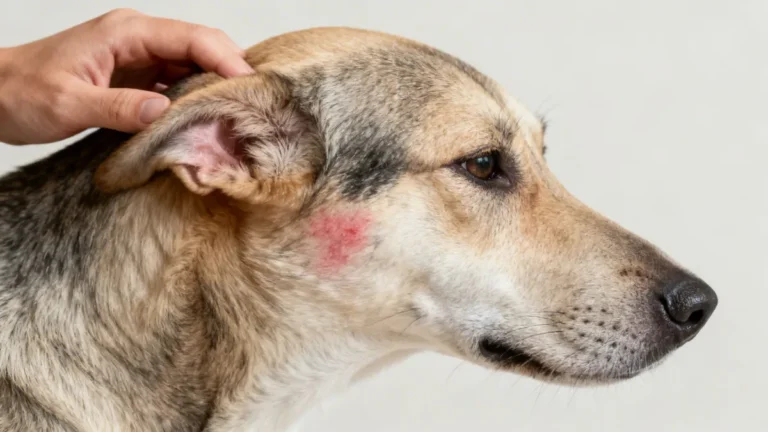
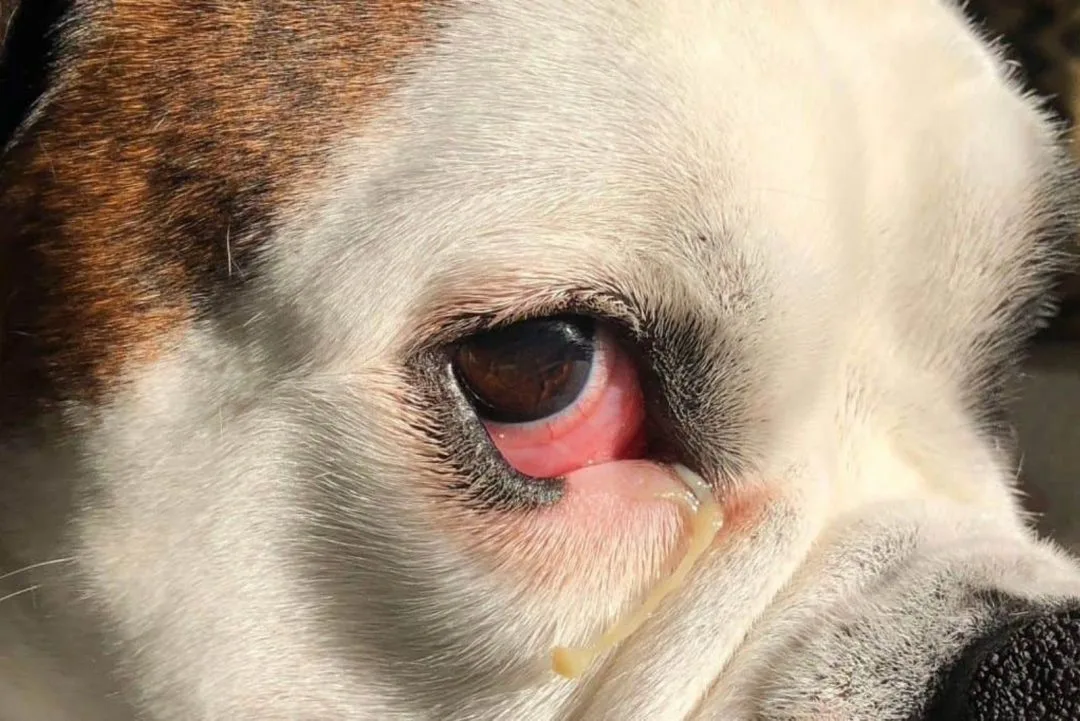
Allergy eyes in dogs tend to look dramatic but feel relatively mild to the dog. You'll usually notice both eyes are involved, the whites look pink or bloodshot, and there's a clear, watery discharge rather than thick mucus. The dog paws at the face or rubs the cheeks along furniture, but the eye stays open and reactive.
Here are the hallmark signs of allergic conjunctivitis in dogs:
- Both eyes red and watery at the same time
- Clear or slightly stringy discharge, never pus-like
- Mild swelling of the conjunctiva (the pink lining around the eye)
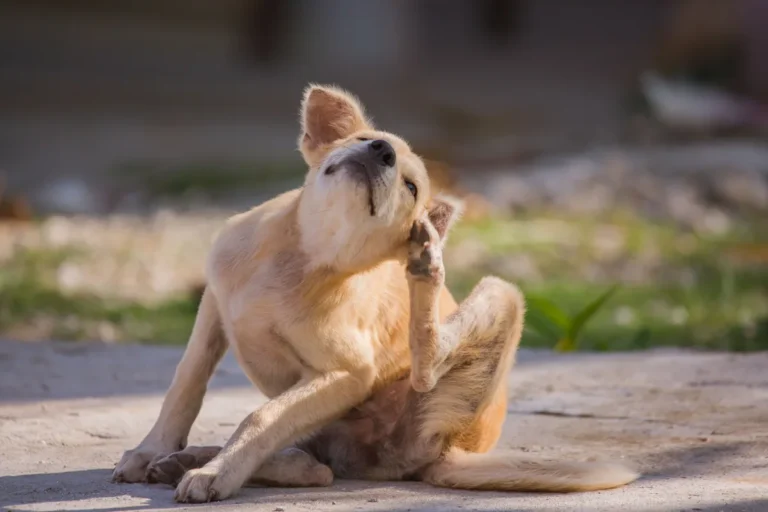
- Itchiness that drives pawing, rubbing, or blinking
- Symptoms flare with seasons or specific environments (new carpet, smoke, pollen)
- No obvious pain response when you gently touch near (not on) the eye
The Merck Veterinary Manual describes this presentation as a "bilateral, non-purulent conjunctivitis with minimal to no ocular discomfort." If you see that pattern, allergies top the list. If even one of those signs is missing or reversed, you're likely dealing with something else.
A practical gut check: shine a soft light across the eye. The cornea should look clear, like a watch face. Any haze, blue tint, or visible scratch is a stop sign.
Head straight to the vet, because that's not an allergy problem.
Allergies vs. Something More Serious: How to Tell the Difference
This is the most important section in the whole article, because the wrong call costs sight. Many owners treat "allergies" that turn out to be corneal ulcers, dry eye, or glaucoma. The symptoms overlap, but the stakes don't.
Here's a quick comparison to keep on your phone:
| Condition | Discharge | Pain Level | Both Eyes? | Key Red Flag |
|---|---|---|---|---|
| Allergies | Clear, watery | Mild itch | Usually yes | Seasonal pattern |
| Bacterial infection | Yellow or green | Moderate | Often one then both | Thick mucus, crusty lids |
| Dry eye (KCS) | Thick, ropey, mucusy | Moderate | Yes, chronic | Sticky discharge, dull cornea |
| Corneal ulcer | Watery, then sticky | High | One eye | Squinting, light sensitivity |
| Glaucoma | Watery | Severe, sudden | One eye | Cloudy or enlarged eyeball |
| Cherry eye | Mild tearing | Low | One eye | Red bulge in corner |
If your dog shows any red-flag column above, skip the home remedies and book a vet visit the same day. Corneal ulcers can deepen within hours. Glaucoma is a true emergency; pressure inside the eye can cause permanent blindness fast.
For a deeper clinical reference, the American College of Veterinary Ophthalmologists maintains owner-friendly resources on every condition in that table. Bookmark it before you need it.
Common Triggers Behind Your Dog's Watery, Red Eyes
Environmental allergens drive most canine eye allergies, and they're often the same offenders that bother humans. The big three are tree and grass pollen, dust mites, and mold spores. Cigarette smoke, household cleaning sprays, perfumes, and new carpet off-gassing can also set off the conjunctiva.
Food allergies can show up around the eyes too, but they usually come with skin signs: itchy paws, ear infections, or hot spots. If the eyes are the only symptom, food is less likely the cause.
Seasonal patterns tell you a lot. Symptoms that bloom in spring and fall point to outdoor pollens. Year-round symptoms with morning crusting suggest dust mites or indoor mold.
Sudden onset after a household change (new detergent, candle, paint) points to an irritant reaction.
A quick home audit helps:
- Does your dog sleep on upholstered furniture or your bed?
- Have you recently changed cleaning products or laundry detergent?
- Is there a smoker in the home?
- Have you switched foods or treats in the last 30 days?
- Are walks mostly through grassy or wooded areas?
Answering yes to two or more means you've got a workable list of suspects. We'll cover how to reduce those triggers later in the article.
Breeds That Deal With Eye Allergies More Than Others
Genetics matter here. Some breeds are built in a way that makes their eyes more reactive to allergens, and those same breeds also tend to have wider eyelid openings, shallower eye sockets, or extra skin folds that trap irritants.
Brachycephalic breeds sit at the top of the list. Pugs, French Bulldogs, English Bulldogs, Shih Tzus, Boston Terriers, and Pekinese all have shallow eye sockets and prominent eyes. Pollen and dust land directly on the cornea.
Their facial folds also hold moisture and debris, which adds to the irritation.
Terriers and scent hounds aren't far behind. West Highland White Terriers, Cairn Terriers, Wire Fox Terriers, and Beagles all carry a higher rate of atopic dermatitis, which often shows up first around the eyes and ears.
Retrievers round out the high-risk group. Labrador and Golden Retrievers are famously prone to environmental allergies, and many owners notice the eyes as the first clue before the skin flares.
If your dog is on this list, don't wait for symptoms to worsen before talking to your vet. Breed-specific baseline eye exams help your vet tell apart chronic irritation from a new problem later on.
When You Can Manage at Home (and When You Absolutely Cannot)
Most uncomplicated allergic conjunctivitis cases need a vet's prescription before they really clear up, but a small slice can be managed at home if symptoms are mild and stable. Use this decision path:
If both eyes are mildly red, the discharge is clear, the dog is bright and eating normally, and there's no squinting, you've got a 24 to 48 hour window for at-home care. Set up a saline rinse, wipe the eye area twice daily, and watch closely.
If you see yellow or green discharge, marked swelling, squinting, cloudiness, or pawing that won't stop, call the vet the same day. Don't wait for the morning appointment.
If the eye looks cloudy, bulging, or your dog is suddenly pawing one eye aggressively, treat it as an emergency. Go straight to urgent care or an emergency clinic.
Here's a useful triage table:
| Situation | Action |
|---|---|
| Mild redness, clear discharge, no pain | Home saline rinse, monitor 24 to 48 hours |
| Colored discharge, squinting, light sensitivity | Vet visit within 24 hours |
| Cloudy eye, sudden swelling, severe pain | Emergency vet immediately |
| Recurring flare every spring or fall | Book a vet visit for a long-term plan |
A practical tip: take a daily phone photo of your dog's eyes at the same time each day. Lighting stays consistent, and you'll spot changes your eye misses in person.
The Right Way to Clean and Rinse Your Dog's Eyes
Gentle cleaning does more than comfort your dog. It physically removes allergens sitting on the cornea and lid margins, which often drops irritation by half on its own.
Here's the safe routine most vets recommend:
- Wash your hands, then dampen a clean cotton ball or gauze with cooled boiled water or dog-safe saline.
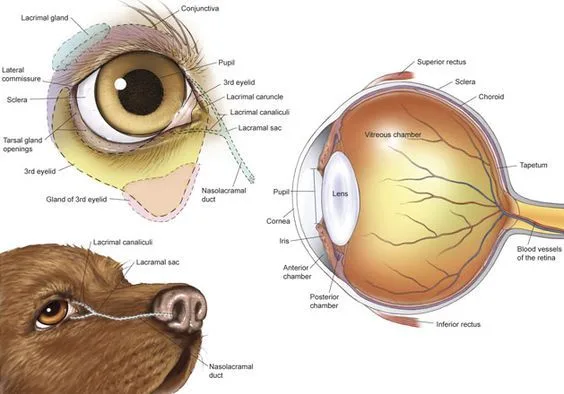
- Wipe from the inner corner outward, using a fresh pad for each eye.
- For flushing, hold the lower lid open and squirt saline gently across the eye, never directly at the cornea.
- Pat dry with a soft cloth. Don't rub.
- Repeat once or twice a day during flares.
Skip anything that stings or irritates. Baby shampoo, tea tree oil, vinegar mixes, and human eye washes can damage the corneal surface and worsen inflammation. Stick with sterile saline labeled for eyes or for contact lens rinsing.
If your dog has facial folds, clean the folds first. Moisture trapped in those creases ferments allergens and bacteria right next to the eye. A clean fold means fewer flare-ups.
For deeper environmental allergen control, the EPA's indoor air quality guidance is a solid starting point, and the recommendations apply just as well to pets as to people.
Over-the-Counter Antihistamines: What's Safe and What's Not
Oral antihistamines can take the edge off mild allergy symptoms, but they don't replace prescription eye drops for anything beyond the lightest cases. Used incorrectly, they can also mask a worsening problem.
The three options most vets reach for first:
- Diphenhydramine (Benadryl): roughly 1 mg per pound, given two to three times daily. Causes drowsiness in most dogs.
- Cetirizine (Zyrtec): about 1 mg per pound, once daily. Less sedating than diphenhydramine.
- Loratadine (Claritin): roughly 0.25 mg per pound, once daily. Useful for dogs that get sleepy on the others.
Always confirm dosing with your vet first. Some formulations contain xylitol or pseudoephedrine, both dangerous for dogs. Plain formulas only.
Human eye drops are a different story. Visine, Clear Eyes, and similar redness-relief products are not safe for dogs. They constrict blood vessels, which can hide symptoms and complicate diagnosis.
Some also contain ingredients that irritate canine eyes. Don't use them without specific vet approval.
For dogs that need steady control, Apoquel and Cytopoint are the two prescription options most dermatologists prescribe. Apoquel is a daily oral tablet that interrupts the itch signal. Cytopoint is a monthly injection that neutralizes a key itch protein.
Both can calm eye symptoms when allergies run systemic, but neither replaces a targeted ophthalmic drop when the eye itself is inflamed.
Prescription Options Your Vet May Recommend
Once your vet confirms allergic conjunctivitis and rules out other causes, you'll likely walk out with one or more prescription drops. Each does a specific job, and the choice depends on what your dog's eye looks like up close.
The common categories:
- Topical antihistamines like olopatadine or ketotifen calm itch directly on the eye. Quick acting, minimal side effects.
- Topical corticosteroids like prednisolone acetate knock down inflammation fast. Powerful but never used if there's any chance of a corneal ulcer, because they delay healing.
- Topical cyclosporine or tacrolimus treats allergic conjunctivitis and supports tear production. Useful when dry eye overlaps with allergies.
- Combination drops pair an antibiotic with a steroid for cases where infection can't fully be ruled out. Short-term use only.
Most treatment courses run 7 to 14 days, with a recheck if symptoms linger past the second week. Long-term cases may shift to a maintenance plan using cyclosporine or tacrolimus twice daily, especially for brachycephalic breeds.
If your dog needs long-term drops, ask your vet for a pharmacy-compounded formula. Drops mixed without preservatives tend to sting less and keep the cornea healthier over years of use.
How to Actually Give Your Dog Eye Drops Without Losing a Finger
Even calm dogs turn into escape artists the second a bottle comes out. A steady routine saves your fingers and keeps the medicine in the eye where it belongs.
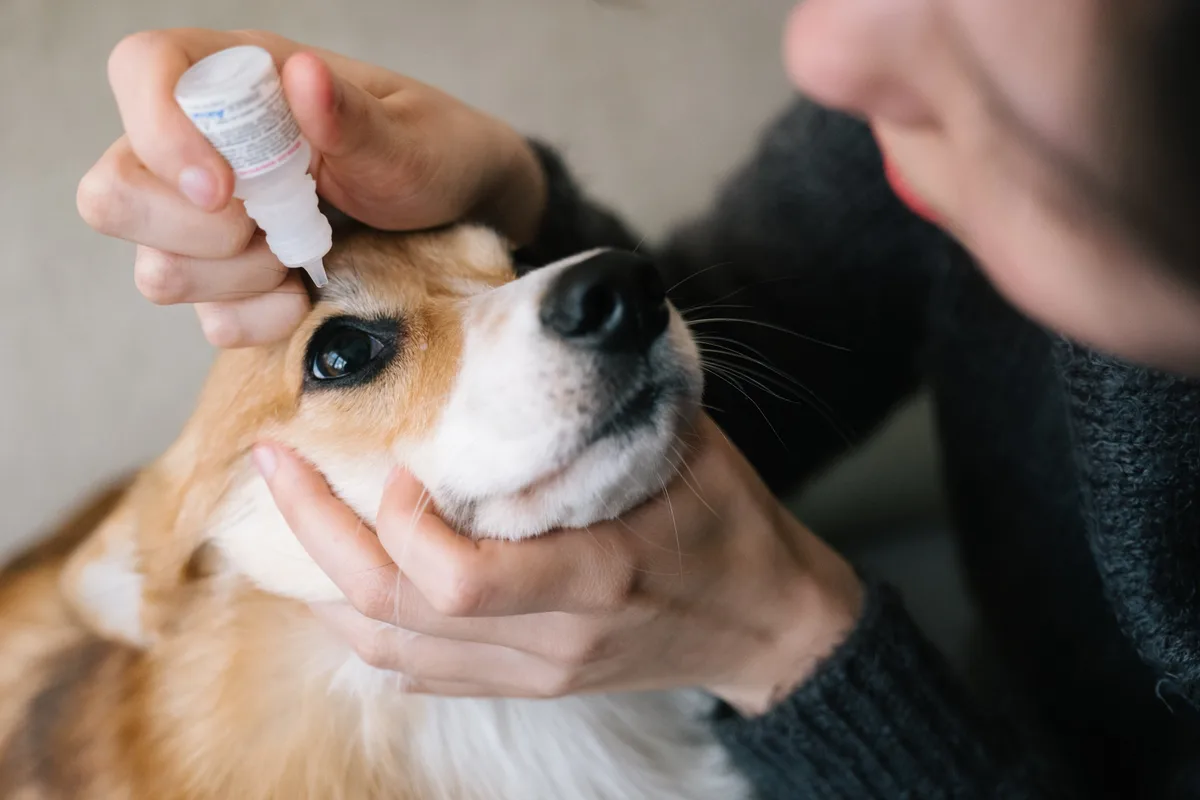
Step by step:
- Pick a quiet spot. Have the drops, a treat, and a towel within reach.
- Hold your dog against your body, facing away from you, or sit them on a non-slip surface.
- Use one hand to gently tilt the head up, resting your thumb on the lower lid.
- With the other hand, hold the bottle above the lash line. A vertical grip gives better control than a fist grip.
- Squeeze one drop into the pocket of the lower lid, never onto the cornea directly.
- Let the head go and reward immediately. Don't chase the drop if your dog blinks it out.
- Wait at least 5 minutes between different drops so each one absorbs.
If your dog panics, wrap them loosely in a towel, leaving only the head out. A second pair of hands helps enormously for the first few doses. Over time, most dogs relax once they connect drops with treats.
If you can't get the drop in after a couple of tries, don't fight it. Call your vet and ask about transdermal alternatives or a different formulation. Missing doses is worse than switching strategies.
Mistakes That Turn a Manageable Problem Into a Vet Emergency
A handful of recurring missteps account for most of the urgent cases vets see. Sidestepping them keeps a minor flare from becoming a sight-threatening one.
- Reaching for human redness-relief drops when the eye looks irritated
- Stopping prescribed drops the moment the eye looks better, instead of finishing the course
- Skipping the e-collar, then wondering why the dog scratched a corneal ulcer into the original redness
- Confusing colored discharge for "old tear staining" and waiting days to call
- Reusing opened eye medication past 30 days, which raises infection risk
The single biggest one is finishing medication early. Inflammation often quiets before the underlying irritation fully resolves, and stopping drops on day four of a ten-day plan is a common cause of rebound flares.
Environmental Changes That Cut Down on Flare-Ups
Medicine treats the symptoms. The home environment treats the cause. Small changes stack up faster than most owners expect.
- Wash dog bedding weekly in hot water above 130°F to kill dust mites
- Run a HEPA air purifier in the room where your dog sleeps most
- Wipe paws and face with a damp cloth after outdoor time during pollen season
- Vacuum upholstered furniture twice a week with a sealed HEPA vacuum
- Switch to unscented laundry detergent and skip fabric softener on dog blankets
- Bathe your dog every 1 to 2 weeks during peak allergy season with a hypoallergenic shampoo
- Keep windows closed on high pollen count days and run AC on recirculate
If your dog still flares despite all of this, ask your vet about allergy testing. Blood or intradermal skin testing pinpoints specific triggers, and targeted immunotherapy can reduce reactivity over 6 to 12 months.
What Treatment Actually Costs (Vet Visits, Meds, and At-Home Tools)
Costs vary widely by region, but these ranges reflect typical 2026 pricing in most US metro areas. Use them as a planning guide, not a quote.
| Item | Typical Cost |
|---|---|
| General vet exam | $50 to $150 |
| Fluorescein stain and Schirmer tear test | $40 to $90 combined |
| Prescription eye drops (per bottle) | $20 to $60 |
| Apoquel (monthly) | $60 to $120 |
| Cytopoint injection (per dose) | $70 to $150 |
| Board-certified ophthalmologist consult | $200 to $500 |
| HEPA air purifier (one-time) | $80 to $250 |
The biggest cost driver is waiting too long. A simple allergic flare that becomes a corneal ulcer can run $800 to $2,000 at a specialist. Early treatment almost always comes out cheaper.
Long-Term Management for Dogs With Chronic Eye Allergies
Chronic cases need a written plan, not a reactive one. Your vet can put one together after a baseline exam, and most owners find the structure pays for itself within a season.
The core of a long-term plan usually includes:
- A maintenance drop (cyclosporine or tacrolimus) once or twice daily
- Seasonal oral antihistamines at low doses
- A flare protocol: when to start prescription steroid drops and at what dose
- An e-collar always on hand for sudden pawing episodes
- An environmental checklist reviewed every change of season
- A recheck schedule: typically every 6 to 12 months for stable dogs, sooner if flares increase
Track symptoms in a simple phone note. Date, severity from 1 to 5, weather, and any new exposures. Patterns jump out within two months and let your vet fine-tune the plan.
If your dog's eyes still flare despite a solid plan, ask for a referral to a board-certified veterinary ophthalmologist. They've got tools and drugs most general practices don't stock, and stubborn cases often turn around under their care.
Frequently Asked Questions
Can I give my dog Benadryl for eye allergies?
Yes, plain diphenhydramine at roughly 1 mg per pound every 8 to 12 hours is generally safe for dogs. Always confirm the dose with your vet, avoid any formulation with xylitol or pseudoephedrine, and remember it helps itchiness more than eye inflammation itself.
How long do dog eye allergies usually last?
Untreated, a seasonal flare runs 2 to 6 weeks. With proper medication and allergen control, most dogs clear up within 7 to 14 days. Year-round cases need ongoing management rather than a single round of treatment.
Are human allergy eye drops safe for dogs?
No, not without specific vet approval. Drops like Visine or Clear Eyes constrict blood vessels and can hide symptoms or irritate the cornea. Stick to dog-specific products or whatever your vet prescribes.
When is dog eye discharge an emergency?
Colored discharge (yellow or green), sudden swelling, cloudiness, or a bulging eye all warrant same-day or emergency care. Clear watery discharge with mild redness is usually manageable with a vet visit within 24 to 48 hours.
Can food allergies cause eye issues in dogs?
Yes, though food allergies more often show up as itchy skin, ear infections, and paw licking. If your dog has eye symptoms along with skin or ear signs, ask your vet about a food trial to rule out a dietary trigger.
Will dog eye allergies go away on their own?
Mild cases sometimes settle in a week or two without medicine, especially if the trigger is removed. Most dogs need at least a cleaning routine and often a prescription drop to fully resolve and stay comfortable.