How much are allergy shots for dogs
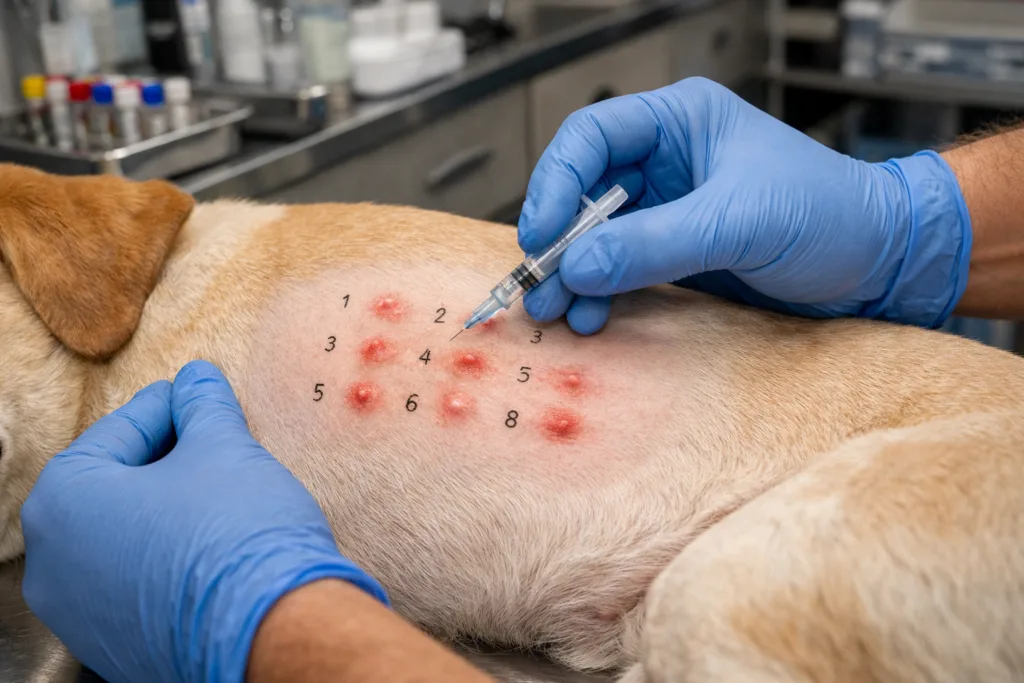
How much are allergy shots for dogs? Most owners pay between $1,000 and $2,500 in the first year, with ongoing maintenance running $50 to $150 per month for several years. The sticker shock usually shows up at the testing phase, not the shots themselves.
That wide range exists because dog allergy shots, formally called allergen-specific immunotherapy, are a custom prescription treatment. Your vet isn't pulling a one-size vial off a shelf. Each formulation is mixed for your dog's specific triggers, which is why two dogs in the same clinic can end up with wildly different bills.
As of 2026, pricing has climbed modestly nationwide, driven mostly by higher lab and compounding costs, not by changes in the treatment protocol.
Quick Answer
Allergy shots for dogs typically cost $1,000 to $2,500 in the first year. Year two onward runs $700 to $1,800. Pricing covers testing, custom extract formulation, and the induction and maintenance phases.
Geographic location and the number of allergens tested drive most of the variation.
Why the Cost of Dog Allergy Shots Varies So Much
If you've called two vet clinics and gotten quotes that look like they're for different treatments, you're not imagining it. The cost of dog immunotherapy depends on a handful of variables, and most clinics can't even pin down your total until they know which allergens your dog reacts to.
- Geographic location. Urban and coastal clinics charge more than rural or Midwestern ones. The same protocol can cost 30% to 50% more in San Francisco than in St. Louis.
- Who orders the treatment. A board-certified veterinary dermatologist typically charges more upfront but often runs tighter diagnostics, which can save money on poorly targeted extracts.
- Number of allergens tested. Most regional panels cover 60 to 80 allergens. Broader panels cost more but catch harder-to-spot triggers.
- Testing method. Intradermal skin testing (the gold standard) usually runs $300 to $500. Serum IgE blood testing is sometimes cheaper but less precise for environmental allergens.
- Whether you administer shots at home. Home injections cut clinic-visit fees but require training and confidence with needles.
We've seen aggregate reviews and clinic pricing data (as of 2026) point to a tight correlation between how thoroughly a dog is tested and how well the immunotherapy works. Skimp on diagnostics and you may end up paying for a custom vial that doesn't actually address your dog's triggers. That's a costly mistake.
What Allergy Shots for Dogs Actually Treat
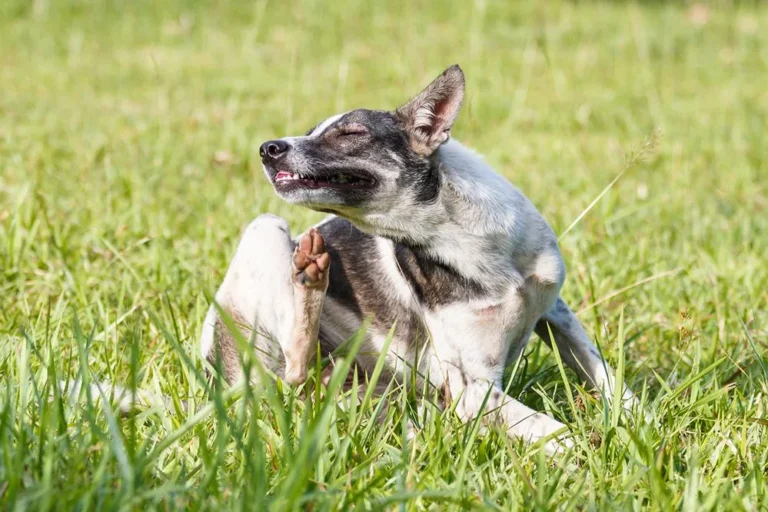
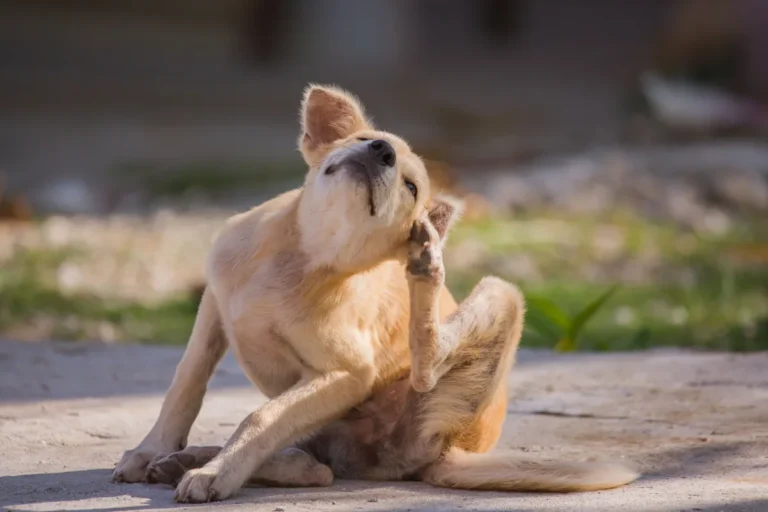
Allergy shots aren't a general "itch cure." They treat a specific condition: canine atopic dermatitis, which is a hypersensitivity to environmental allergens like pollen, mold, dust mites, and certain grasses. They do not treat food allergies, which require a separate elimination-diet protocol.
Here's what immunotherapy does in plain terms:
- Identifies triggers. Skin or blood testing reveals which environmental allergens your dog reacts to.
- Builds tolerance. Custom extracts deliver tiny, controlled doses of those allergens over time.
- Retrains the immune system. Over months, the body stops overreacting to the original triggers.
- Reduces or eliminates symptoms. Less itching, fewer ear infections, less paw-licking, fewer hot spots.
The condition being treated matters because it affects what you're paying for. A dog with year-round, multi-allergen atopic dermatitis needs a broader, more expensive extract. A dog with a single, mild grass allergy might respond to a simpler formulation.
If your dog's itching is from fleas, food, or a bacterial skin infection, allergy shots won't help, and no ethical vet will prescribe them. Make sure the diagnosis is solid before committing to the cost.
The Real Breakdown: What You Pay For
When you look at a quote for "allergy shots," you're really paying for five separate services bundled together. Understanding each piece helps you spot where the money goes and where you might have wiggle room.
| Cost Component | Typical Price Range (USD) | What You're Paying For |
|---|---|---|
| Initial consultation | $150 to $300 | Veterinary exam, history review, ruling out non-allergy causes |
| Allergy testing | $250 to $500 | Intradermal skin test or serum IgE panel of 60 to 80 allergens |
| Custom extract formulation | $200 to $400 per vial | Compounded immunotherapy specific to your dog's allergens |
| Induction phase (months 1 to 3) | $300 to $600 | Frequent vet visits, escalating doses, monitoring |
| Maintenance phase (month 4 onward) | $50 to $150 per month | Lower-frequency injections, vial refills, rechecks |
A few notes on what those numbers include:
- Vial refills. Each vial typically lasts 6 to 12 months, so refills are a yearly or twice-yearly cost, not monthly.
- Monitoring rechecks. Expect a $75 to $150 visit every 6 to 12 months to assess progress and adjust dosing.
- Emergency visits. Rare, but some dogs need extra rechecks during the induction phase if they have local reactions.
Manufacturer and compounding pharmacy data we reviewed in 2026 shows the extract formulation step is the single biggest variable. A vial covering 12 allergens costs noticeably less than one covering 40, even at the same clinic.
First-Year Costs vs. Long-Term Costs
The sticker shock lands in year one, because you're absorbing the testing, formulation, and the most intensive phase of treatment all at once. After that, the cost smooths out considerably. This is the part many owners don't see until they're already committed.
| Time Frame | Typical Total Cost | What's Driving It |
|---|---|---|
| Year 1 | $1,000 to $2,500 | Testing, formulation, induction, early maintenance |
| Year 2 | $700 to $1,800 | Maintenance injections, refills, rechecks |
| Year 3 | $700 to $1,800 | Same as year 2 if treatment continues |
| Years 4 to 5 | Often tapering or stopping | Many dogs finish a 3 to 5 year course successfully |
Total multi-year spend for a complete course of immunotherapy typically lands between $2,500 and $6,000. That's a real number, and it's worth weighing against alternatives before you start.
The flip side: aggregate owner reports and clinical outcomes data suggest 60% to 80% of dogs see meaningful improvement, and many can taper off medications like Apoquel or steroids after immunotherapy kicks in. Some owners save money long-term once they stop paying for daily pills or monthly Cytopoint injections.
Cost by Treatment Phase (Testing, Induction, Maintenance)
Knowing the per-phase numbers helps you budget realistically instead of getting blindsided by a single big invoice. Here's how the dollars typically stack up across the full treatment arc.
| Phase | Duration | Typical Cost | What Happens |
|---|---|---|---|
| Diagnostic workup | 1 to 2 visits | $400 to $800 | Exam, rule-outs, allergy testing |
| Extract formulation | One-time setup | $200 to $400 | Compounded vial matched to your dog's allergens |
| Induction phase | 8 to 12 weeks | $300 to $600 | Daily to every-other-day injections, dose escalation |
| Maintenance phase | Years 1 to 5 | $50 to $150 per month | Injections every 1 to 4 weeks, rechecks |
A quick way to think about it: the first 90 days cost roughly as much as the next 12 to 18 months combined. Once you hit maintenance, the financial pressure drops substantially.
How Your Dog's Size and Region Affect the Price
The same protocol can run hundreds more for a 90-pound Lab than for a 15-pound terrier, and thousands more in Boston than in Boise. Here's what's actually moving the needle.
- Dog size and weight. Larger dogs need higher antigen doses per injection. Some clinics price by volume, so bigger dogs consume vial faster.
- Geographic market. Veterinary services in major metros track local cost of living. As of 2026, the highest reported pricing clusters in NYC, San Francisco, Boston, and Los Angeles.
- Regional allergen profile. Dogs in the Southeast often test positive for different molds and grasses than dogs in the Mountain West. The number of allergens in the panel affects extract cost.
- Clinic type. University teaching hospitals and specialty dermatology practices charge more than general practices, but often include more rigorous follow-up.
If cost is a real constraint, ask your vet whether a regional panel (60 allergens) would still catch likely triggers. Going broader than needed adds to the bill without always improving outcomes.
Allergy Shots vs. Apoquel vs. Cytopoint: Full Cost Comparison
This is the comparison most owners actually want, because these are the three most common long-term options a vet will recommend for atopic dermatitis. Each works differently, each costs differently, and the right choice depends on what you're optimizing for.
| Treatment | How It Works | Annual Cost Range | Best For |
|---|---|---|---|
| Allergen-specific immunotherapy | Custom shots retrain immune response | $1,000 to $2,500 year 1, then $700 to $1,800 | Dogs with multiple confirmed environmental allergens, owners wanting a long-term fix |
| Apoquel (oclacitinib) | Daily oral tablet blocks itch signaling | $1,200 to $2,400 per year | Fast relief, dogs that can't tolerate injections, short-to-medium term symptom control |
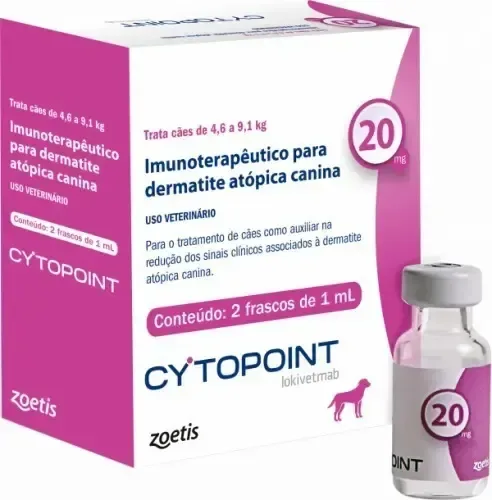
| Cytopoint (lokivetmab) | Injectable antibody given every 4 to 8 weeks | $1,000 to $2,000 per year | Owners who can't give daily pills or home injections, dogs with seasonal flares |
Here's the honest framing. Apoquel and Cytopoint manage symptoms quickly, but they're ongoing expenses that don't decrease over time. Immunotherapy costs more upfront, but a successful 3 to 5 year course can produce lasting improvement, sometimes allowing owners to stop other medications entirely.
Per clinical outcome data we've reviewed, immunotherapy is the only one of the three that actually modifies the disease.
If your dog needs immediate itch relief, your vet may start Apoquel or Cytopoint while the immunotherapy extract is being compounded. That's common and doesn't mean you're paying double. The medications usually taper as the shots take effect.
What's Not Covered by Pet Insurance
Pet insurance is a common reason owners hesitate on immunotherapy, and the news here is mostly bad. Most plans treat allergies as a pre-existing condition, especially if symptoms appeared before your policy's waiting period ended. Even policies that cover allergies often have carve-outs.
- Pre-existing condition exclusions. If your dog showed itching, ear infections, or hot spots before enrollment, expect a denial.
- Wellness plan coverage. Basic wellness add-ons rarely cover allergy testing or immunotherapy. They cover vaccines and exams.
- Annual caps. Some policies cap payout at $5,000 to $10,000 per year. A $2,500 year-one spend is feasible, but a $6,000 multi-year course may not be.
- Deductible timing. You pay out of pocket until your deductible is met. For plans with $500 to $1,000 deductibles, that means covering most of year one yourself anyway.
Two strategies that actually help: enroll your dog before symptoms start if at all possible, and look for policies that specifically cover allergy treatment without exclusions. Some newer plans in 2026 are starting to address chronic conditions more favorably, but the fine print matters. Talk to your insurer before committing to immunotherapy, not after.
The Step-by-Step Process and What Each Stage Costs
Knowing the sequence helps you understand what you're paying for at each stage and where delays tend to happen. Here's the typical workflow from first vet visit to home injections.
Stage 1: Initial consultation and rule-outs
Your vet confirms the itching is allergic and not parasitic, fungal, or food-related. Flea comb, skin scrapings, and possibly a trial diet happen here. Cost: $150 to $300.
Stage 2: Allergy testing
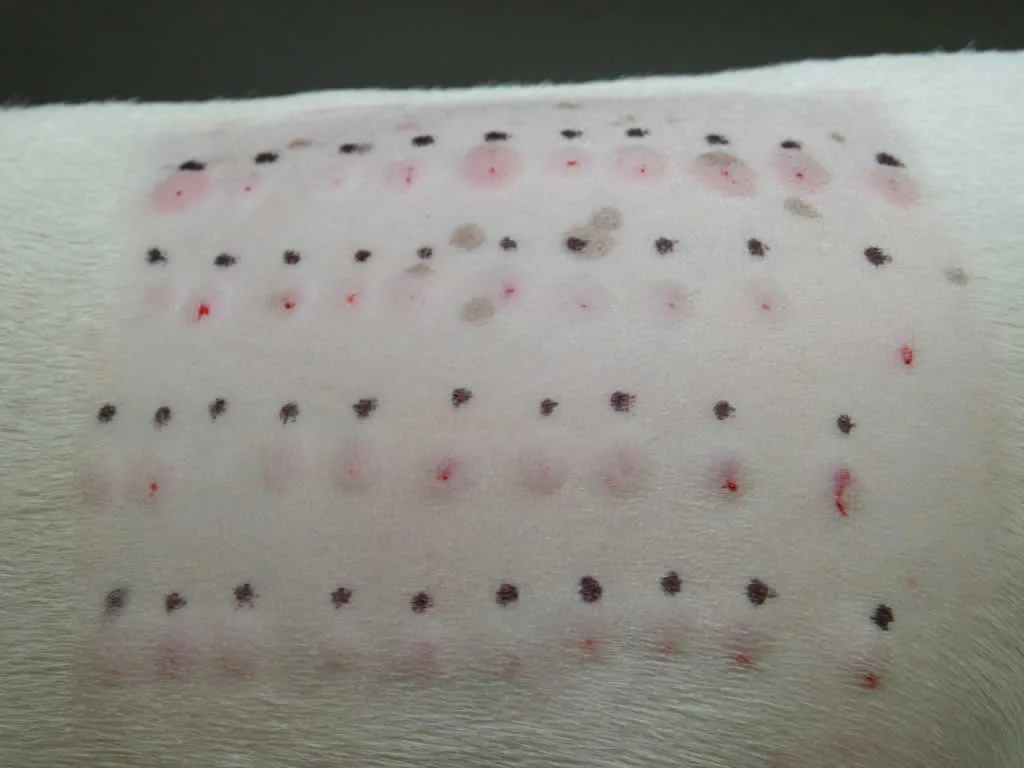
Intradermal skin testing (gold standard) or serum IgE blood testing identifies your dog's specific triggers. Cost: $250 to $500.
Stage 3: Extract formulation
A compounding pharmacy mixes your dog's custom vial based on test results. Lead time is usually 2 to 4 weeks. Cost: $200 to $400.
Stage 4: Induction phase
You'll give injections at home or have them administered at the clinic. Doses start low and increase over 8 to 12 weeks. Cost: $300 to $600.
Stage 5: Maintenance phase
Once the effective dose is reached, injections drop to every 1 to 4 weeks. Most owners administer at home after training. Cost: $50 to $150 per month.
Stage 6: Recheck and reassessment
Every 6 to 12 months, your vet evaluates progress and adjusts dosing. Many dogs show meaningful improvement by month 3 to 6, with full benefit around month 12. Cost: $75 to $150 per visit.
The honest truth about timelines: immunotherapy is not a fast fix. If you need rapid itch relief, your vet will likely add Apoquel or Cytopoint during the induction phase. The shots themselves are doing slow, disease-modifying work in the background.
When Allergy Shots Are Worth It (and When They're Not)
Immunotherapy is worth the investment when the diagnosis is solid, the allergens are identifiable, and the owner can commit to a multi-year protocol. It's not the right call when cost forces a half-finished course or when simpler treatments already work.
Good candidates:
- Dogs with confirmed environmental allergies and year-round symptoms
- Young dogs where lifelong medication costs add up fast
- Dogs that have stopped responding to Apoquel or developed side effects
- Owners comfortable with home injections after training
Poor candidates:
- Dogs whose primary issue is flea allergy or food intolerance
- Owners unable to commit to 3 to 5 years of treatment
- Cases where the underlying allergy was never properly diagnosed
A failed course doesn't usually mean the shots didn't work. It often means the testing missed a key allergen, or treatment stopped too soon. Clinical outcomes suggest a full 12-month trial is the minimum before judging success.
Risks, Side Effects, and Safety Red Flags to Watch For
Allergy shots are generally safe, but they're not risk-free. Knowing what to watch for protects your dog and prevents a minor reaction from becoming an emergency.
| Risk | Frequency | What to Watch For |
|---|---|---|
| Local injection-site reaction | Common | Mild swelling, redness at injection site, resolves in hours |
| Increased itching after injection | Occasional | Temporary flare, usually within 24 hours |
| Systemic allergic reaction | Rare (under 1%) | Vomiting, facial swelling, hives, difficulty breathing |
| Anaphylaxis | Very rare | Collapse, severe distress, requires immediate emergency care |
Most vets recommend monitoring your dog for 30 to 60 minutes after the first few injections. After that, home administration is usually safe. Keep diphenhydramine on hand if your vet approves it, and know which emergency clinic is closest.
If your dog has ever had a vaccine reaction, mention it before starting immunotherapy. The risk profile is similar, and your vet may adjust the protocol.
Common Mistakes Owners Make About Cost
We've seen the same handful of cost mistakes come up again and again. Avoiding these protects both your dog and your wallet.
- Stopping after six months. The most expensive mistake is paying for year one and quitting before the maintenance phase delivers results. Most dogs need a full 12 months to show meaningful improvement.
- Skipping rechecks. Saving $150 on a recheck and ending up with an underdosed or overdosed dog is a false economy. Rechecks are where dosing gets dialed in.
- Choosing the cheapest clinic blindly. Low quotes sometimes mean fewer allergens tested or no home-injection training. Read the line items.
- Paying out of pocket when insurance would cover it. A surprising number of owners never check whether their plan partially covers allergy treatment. One phone call can save hundreds.
- Buying allergy "serum" online. Compounded immunotherapy requires a veterinary-client-patient relationship. Online "alternatives" without proper diagnosis waste money and delay real treatment.
Tips to Keep Costs Down Without Cutting Corners
There are real ways to lower the bill without compromising the protocol. Here's what experienced owners and clinics tend to recommend.
- Ask about home injection training. Once you're trained, you skip most clinic-visit fees during the maintenance phase.
- Bundle rechecks with other visits. If your dog needs vaccines or a dental, combine appointments to save exam fees.
- Request a regional allergen panel. A 60-allergen regional panel often catches everything at lower cost than an 80-allergen extended panel.
- Price-shop the compounding pharmacy. Some clinics use in-house pharmacies; others send orders out. Ask which is which.
- Maintain strict flea control. Flea allergy complicates environmental allergy testing and treatment. Clean flea control makes immunotherapy work better.
Cutting corners on testing is the one place not to save money. Incomplete diagnostics lead to incomplete extracts, which lead to poor outcomes and wasted spend. Per veterinary dermatology guidance from sources like the American College of Veterinary Dermatology, proper allergen identification is the foundation of successful immunotherapy.
What a Board-Certified Veterinary Dermatologist Costs
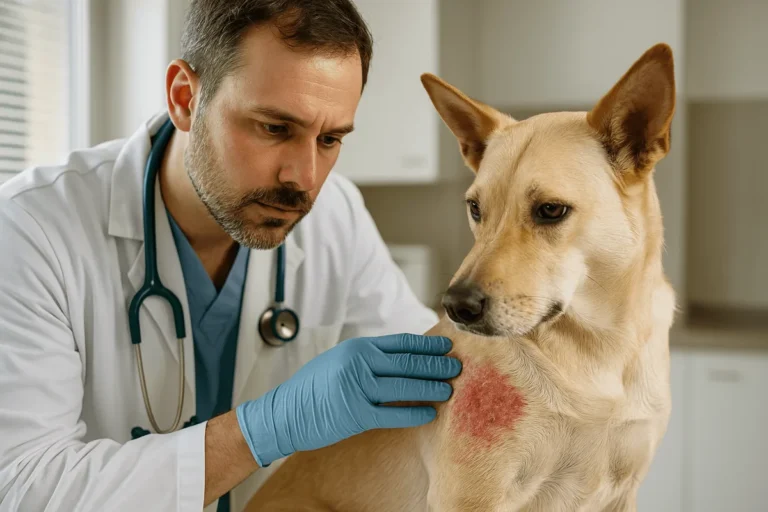
A board-certified veterinary dermatologist typically charges more per visit than a general practitioner, but the difference often pays for itself through better diagnostics and tighter protocols.
- Initial dermatology consultation: $250 to $450
- Intradermal skin testing at a specialty clinic: $400 to $700
- Follow-up rechecks: $100 to $200 per visit
- Ongoing coordination with your regular vet: Often included
The main value isn't just the expertise. It's access to intradermal testing, which most general practices don't perform. Intradermal testing is the gold standard for environmental allergens and produces more targeted extracts than blood tests alone.
If your dog has failed immunotherapy before, a dermatologist is usually the path to figuring out why.
Final Thoughts: Is This the Right Investment for Your Dog?
Immunotherapy is the right investment when you want a long-term fix, not just symptom management. Budget $1,000 to $2,500 for the first year, then $700 to $1,800 annually. Commit to 3 to 5 years.
If those numbers fit your situation, allergy shots are usually worth it. If they don't, Apoquel or Cytopoint can still buy your dog real quality of life while you plan ahead.
Frequently Asked Questions
How long do allergy shots take to work in dogs?
Most dogs show meaningful improvement within 3 to 6 months, with full benefit around month 12. Stopping before 12 months is the most common reason immunotherapy appears to fail.
Can I give my dog allergy shots at home?
Yes. After training from your vet, most owners administer maintenance injections at home. The induction phase may require clinic visits until dosing is stable.
Does pet insurance cover allergy shots for dogs?
Some plans do, but most exclude allergies as pre-existing conditions. Coverage depends on enrollment timing and policy terms. Always confirm with your insurer before starting treatment.
Are allergy shots safer than Apoquel or Cytopoint?
All three are considered safe under veterinary supervision. Immunotherapy carries a small anaphylaxis risk while treating the root cause. Apoquel and Cytopoint carry longer-term drug exposure but offer faster itch relief.
What's the success rate of dog allergy shots?
Aggregate clinical data suggests 60% to 80% of dogs respond meaningfully to immunotherapy. Success depends on accurate allergen identification and consistent long-term dosing.