How can i help my dog with allergies: Complete Guide
If your dog is scratching nonstop, licking their paws raw, or shaking their head like something is seriously wrong, you're not alone. Helping a dog with allergies starts with figuring out what's actually triggering the itch, then treating the cause and not just the symptoms. A lot of owners waste months on the wrong supplements, OTC antihistamines, or random diet switches that miss the real problem.
Most canine allergy cases fall into three buckets: fleas, food, or environmental triggers like pollen and dust mites. Veterinary dermatology research places the prevalence of atopic dermatitis in dogs somewhere between 10% and 15%, which is why your vet likely takes the issue seriously. As of 2026, the diagnostic playbook and treatment ladder (Apoquel, Cytopoint, immunotherapy, elimination diets) remain the gold standard.
Below, we'll walk through the actual steps a vet uses, in the order they usually run them.
Quick Answer
Start with the vet, not Google. The fastest path to relief is identifying the allergy type through a clinical exam, skin cytology, and (often) a prescription elimination diet or allergy testing. Treat secondary infections first.
Use targeted medications like Apoquel or Cytopoint for environmental allergies. Maintain strict flea prevention year-round. Add omega-3s and gentle bathing for support.
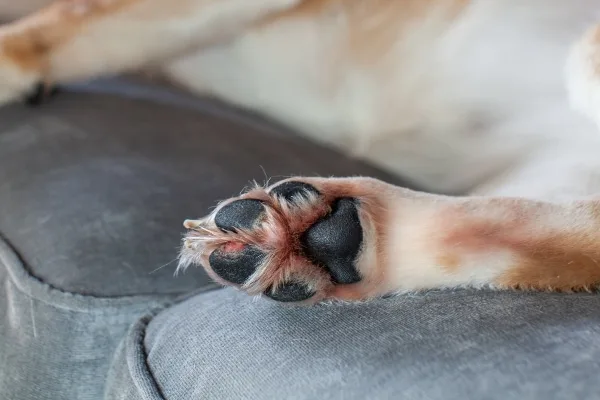
What Dog Allergies Actually Are (and Why Your Vet's Diagnosis Matters)
Canine allergies are an overreaction of the immune system to something harmless. Pollen, a protein in beef, flea saliva, even dust in the carpet can all set off a chain reaction that ends in itchy, inflamed skin.
Most dogs show allergy signs between 6 months and 3 years of age. Breeds like French Bulldogs, Labrador Retrievers, Golden Retrievers, West Highland White Terriers, and German Shepherds show a higher predisposition in clinical studies. That's genetics at work, not bad luck.
Here's the part most owners miss: an itchy dog almost always has more than one thing going on. A dog with a pollen allergy might also have a flea problem and a yeast ear infection on top of it. Treating just one leaves the others smoldering.
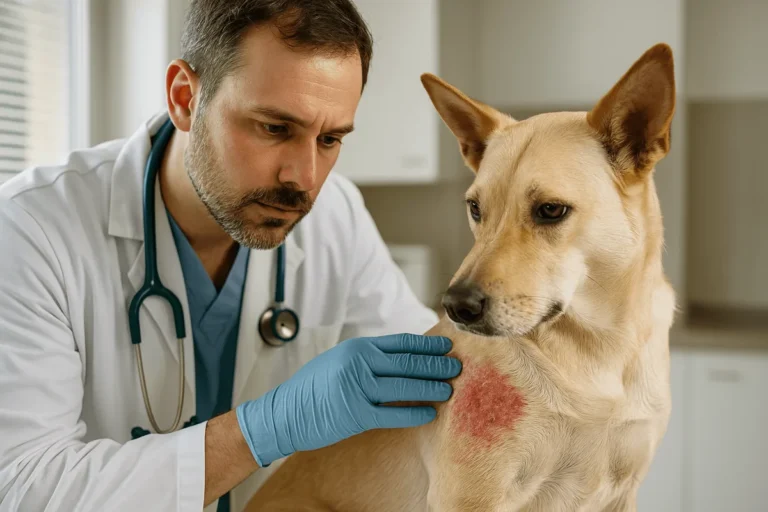
A proper vet exam looks at the whole picture, including the ears, paws, armpits, groin, and belly, where most allergy patterns show up.
If your dog has been itchy for more than a few weeks, a vet visit isn't optional. OTC remedies have a real ceiling, and guesswork delays relief your dog could be feeling today.
The Three Main Types of Dog Allergies
| Allergy Type | Common Trigger | Classic Sign | Diagnostic Tool |
|---|---|---|---|
| Flea allergy dermatitis (FAD) | Flea saliva (1-2 bites can trigger it) | Intense scratching at the lower back, tail base, and hind legs | Flea combing, response to strict flea prevention |
| Food allergy | Beef, chicken, dairy, egg, wheat, soy | Year-round itching, recurrent ear infections, GI signs | 8-12 week prescription elimination diet |
| Environmental (atopy) | Pollen, mold, dust mites, grass | Seasonal or year-round paw-licking, face rubbing, armpit scratching | Intradermal or serum allergy testing |
Flea allergy dermatitis is the easiest to miss and the most important to rule out first. Even indoor dogs get fleas, and one or two bites can keep a sensitive dog miserable for weeks.
Food allergies are actually less common than most owners think. True food allergies affect a smaller percentage of dogs than environmental allergies, but they get over-diagnosed on the internet. A real food allergy triggers the immune system, while a food intolerance just causes GI upset.
They look different and get diagnosed differently.
Environmental allergies (atopic dermatitis) are the most common diagnosis in dermatology clinics. Symptoms often worsen in spring and fall, but dogs in warm, humid regions like the U.S. South can suffer year-round because mold and grass never really go away.
Symptoms That Should Never Get Ignored
Some signs mean "schedule a vet visit this week" rather than "wait and see." If your dog shows any of these, move faster:
- Constant paw-licking or chewing between the toes
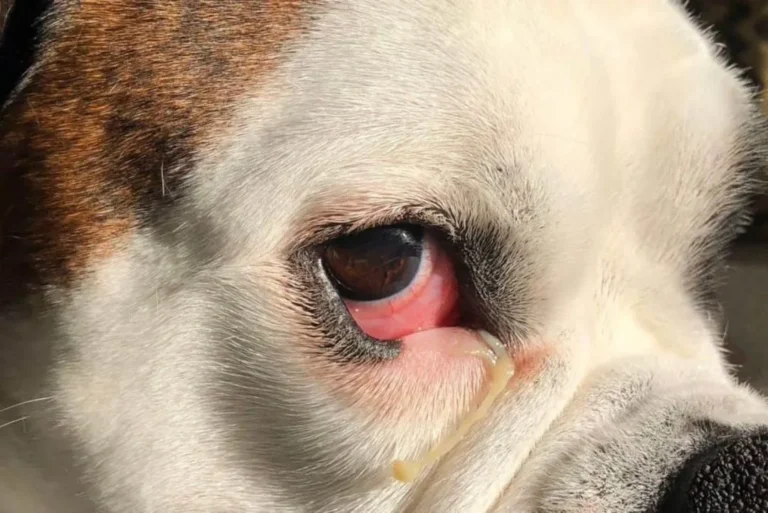
- Recurring ear infections (head shaking, odor, discharge)
- Hot spots (raw, moist, suddenly bald patches)
- Face rubbing against furniture or carpet
- Redness or darkening of the armpits, groin, or belly
- Chronic scooting or anal gland issues
- Skin that smells yeasty or "corn chippy"
A lot of owners chalk up these signs to "seasonal itching" and wait it out. That delay costs real comfort. Chronic scratching thickens the skin, opens the door to bacterial and yeast infections, and trains the itch-scratch cycle into a habit that's harder to break.
Veterinary guidance from the American College of Veterinary Dermatology recommends a clinical exam as the first move once symptoms persist beyond a couple of weeks. The earlier you intervene, the less damage there is to undo later.
Step 1: Document What You're Seeing Before You Call the Vet
A quick log of your dog's symptoms helps your vet narrow down the cause on the first visit. Grab a notes app and start tracking:
- When the itching started (exact week if you remember)
- Where on the body your dog itches most
- Time of day or season it flares
- Food and treats (every brand, every flavor)
- Flea prevention brand and last dose date
- Recent walks, parks, or environmental changes
- Cleaning products used on floors or bedding
Photos help. Take a few clear shots of red paws, ear flaps, or belly skin in good light. Patterns often jump out in pictures that get missed in person.
This step alone saves a lot of trial-and-error. If symptoms spike in May and fade by July, that's pollen. If they're steady all year, food or indoor allergens move up the list.
Your vet reads this log and skips about half of the initial detective work.
If your dog has had ear infections more than twice in a year, mention it. Recurrent otitis externa is one of the strongest signals of underlying atopy in dogs, and it changes the diagnostic plan.
Step 2: Rule Out Flea Allergy Dermatitis First
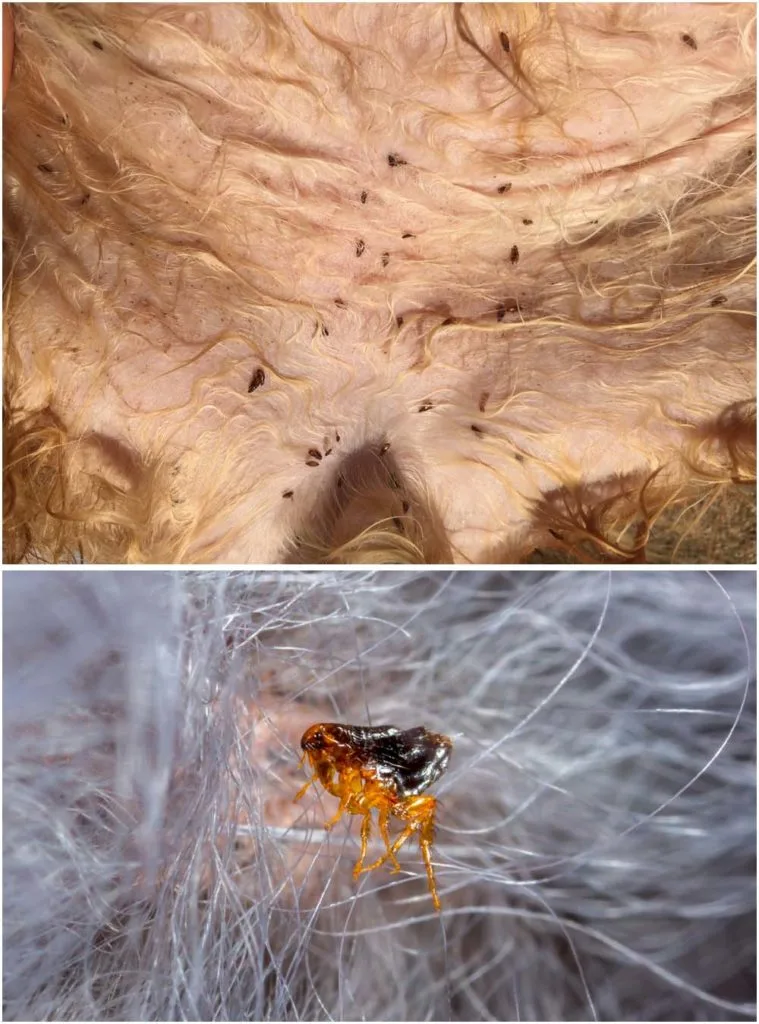
Flea allergy dermatitis (FAD) is the low-hanging fruit of canine allergies, and skipping it is the most common mistake we see owners make. The trigger is flea saliva, not the flea itself. In a sensitive dog, a single bite can set off itching that lasts for weeks.
The classic sign is scratching focused on the lower back, the tail base, and the back of the hind legs. You may see hair loss, redness, or "hot spots" in those exact spots. Some dogs are such obsessive groomers that you won't see a single flea, only the damage they left behind.
Diagnosis is mostly clinical:
- A flea comb pulled through the coat may catch adult fleas or "flea dirt" (digested blood that looks like black pepper)
- A wet paper test turns flea dirt reddish-brown
- Response to strict flea control confirms the diagnosis
Treatment is prevention. Not a little prevention, complete prevention. Every pet in the household needs year-round flea control, even indoor-only cats.
In warm, humid regions (Gulf Coast, Southeast U.S., Mediterranean climates), fleas never really go dormant, so a winter break is rarely safe.
| Prevention Type | How It Works | Owner Tip |
|---|---|---|
| Oral preventatives (e.g., fluralaner, afoxolaner) | Kills fleas fast after they bite | Works even if your dog swims or gets bathed often |
| Topical preventatives | Spreads across the skin's oil layer | Apply to intact skin between the shoulder blades; don't bathe 48 hours before or after |
| Environmental control | Vacuum, wash bedding hot, treat the home | Needed alongside, not instead of, pet preventatives |
If your dog still itches after two months of flawless flea prevention, FAD is unlikely to be the only cause. Move on to the next step rather than layering more products.
Step 3: Get a Proper Veterinary Exam and Skin Cytology
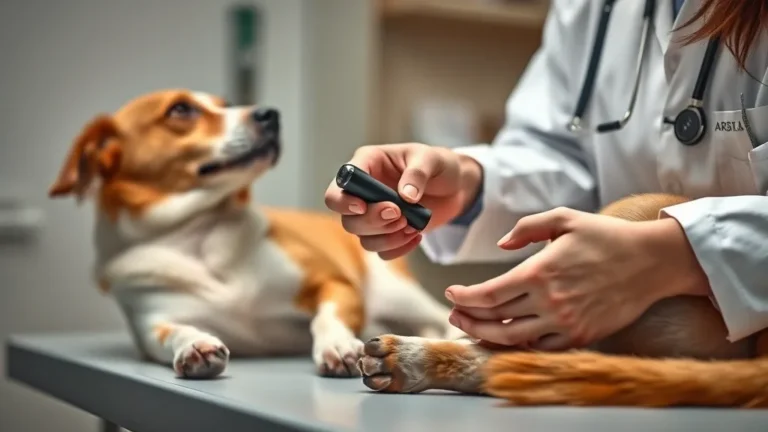
Before any allergy treatment starts, your vet needs to look at the skin up close. A clinical exam and skin cytology rule out infections that mimic allergies and tell your vet what they're really dealing with.
What the Vet Is Actually Looking For
Skin cytology is a quick, in-clinic test. Your vet presses a microscope slide to a red or waxy spot, stains it, and reads it under the microscope. Bacteria look like little rods or cocci.
Yeast looks like "snowman" shapes or peanut shells. Both can ride on top of an allergy and need their own treatment.
If bacteria or yeast show up, your dog likely leaves with a medicated shampoo, an antibiotic, an antifungal, or all three. Skipping this step is why some dogs "don't respond" to allergy meds. The infection was never treated, so the itching never stopped.
The exam also covers the ears. Most itchy dogs have at least some ear inflammation, and many have full-blown otitis externa. Cytology of ear discharge tells your vet whether bacteria, yeast, or both are involved, which changes the ear drop your dog needs.
Why This Step Comes Before Allergy Meds
Apoquel and Cytopoint calm the immune system. They don't kill bacteria or yeast. Giving an immunosuppressant on top of an untreated infection can make it worse.
Your vet wants the infection under control first, then layers in allergy therapy.
Most clinics can run cytology during the same visit. You walk out with a diagnosis, a treatment plan, and a much clearer picture of what's driving the itch.
Step 4: Run a Prescription Elimination Diet Trial (8-12 Weeks)
Food allergy is the diagnosis most owners want to land on, because it feels fixable. Skip the homecooked experiments and the "limited ingredient" kibble from the pet store. The gold standard is a prescription elimination diet, and there's no real shortcut.
How a Real Elimination Diet Works
Your vet picks one protein and one carbohydrate your dog has never eaten before, or a hydrolyzed diet where proteins are broken down below the immune system's detection threshold. Your dog eats only that food for 8 to 12 weeks. Nothing else.
That means:
- No treats, even "hypoallergenic" ones
- No table food or food dropped on the floor
- No flavored medications, toothpaste, or heartworm preventatives
- No access to other pets' food bowls
- No chew toys that have been in contact with other food
The trial fails most often because of accidental treats. A single bite of chicken can re-trigger the immune response and reset the clock.

How to Read the Results
If itching drops by 50% or more during the trial, food allergy is likely. To confirm, your vet challenges the diet by reintroducing old foods one at a time. A flare-up after reintroduction points to the specific trigger.
Hydrolyzed diets (proteins pre-digested into tiny fragments) usually outperform novel protein diets because fewer dogs have been exposed to their ingredients. Veterinary research and clinical experience show hydrolyzed formulas produce more reliable results, especially for dogs with long food histories.
Step 5: Allergy Testing — Intradermal vs. Serum
If environmental allergy is the working diagnosis, your vet has two ways to identify triggers: intradermal skin testing or serum (blood) testing. Each has real strengths and limitations worth knowing.
Intradermal Skin Testing
A veterinary dermatologist injects small amounts of allergens just under the skin, usually on a shaved patch on the side or belly. Reactions are read at 15 to 20 minutes. Positive reactions swell and redden.
This test requires sedation, a dermatologist visit, and stopping certain medications (including Apoquel and antihistamines) days before the test. Results guide immunotherapy formulation precisely.
Serum Allergy Testing
A regular blood draw measures allergen-specific IgE antibodies. No sedation, no drug withdrawal, and your regular vet can order it. Results are useful for immunotherapy formulation, though some dogs show positive antibodies they don't react to clinically.
| Test Type | Sedation | Drug Withdrawal | Best For |
|---|---|---|---|
| Intradermal | Required | Apoquel, antihistamines stop days before | Pinpointing true environmental triggers under specialist care |
| Serum | Not required | Minimal restrictions | First-line screening and primary care vet workups |
Neither test is "wrong" or "right" across the board. The intradermal test is the historical gold standard, but serum testing has improved substantially and is easier to access. Either result feeds into immunotherapy if you decide to go that route.
Apoquel vs. Cytopoint vs. Steroids: What's Actually Different
These three drugs dominate canine allergy treatment, and they work very differently. Knowing the trade-offs helps you talk to your vet with confidence.
Apoquel (Oclacitinib)
A daily oral tablet that blocks the JAK1 enzyme, which is part of the itch-signaling pathway. Most dogs feel relief within 4 hours. It controls itching without broadly suppressing the immune system the way steroids do.
Apoquel is FDA-approved for atopic dermatitis and flea allergy dermatitis in dogs at least 12 months old. It can be used long-term in most dogs, though routine bloodwork is still advised.
Cytopoint (Lokivetmab)
A monoclonal antibody injection given every 4 to 8 weeks. It specifically neutralizes interleukin-31, the cytokine that tells the brain "itch." It does not suppress the rest of the immune system, which makes it a popular choice for dogs that don't tolerate other drugs.
It's administered in-clinic. Effect typically kicks in within a day and holds for a month or longer, depending on the dog.
Traditional Steroids (Prednisone)
Cheap, fast, and effective. The catch is the side effect profile with long-term use: increased thirst, hunger, panting, immune suppression, muscle loss, and potential liver or adrenal changes. Short courses work well for flares.
Year-round steroid use is rarely the best option when Cytopoint or Apoquel exist.
| Drug | Speed | Duration | Best For |
|---|---|---|---|
| Apoquel | ~4 hours | Daily tablet | Dogs needing flexible, daily control |
| Cytopoint | ~24 hours | 4-8 weeks per shot | Owners who prefer fewer doses; dogs with drug sensitivities |
| Prednisone | Hours | Days per dose | Short-term flares and severe breakthrough itch |
In our research, most dermatologists reserve steroids for acute flares and rely on Apoquel or Cytopoint for maintenance. Insurance, lifestyle, and the dog's other health conditions shape which one your vet recommends.
Allergen-Specific Immunotherapy: The Long Game
Immunotherapy is the only treatment that retrains the immune system instead of just blocking symptoms. It's a long-term commitment, and for the right dog, it changes everything.
How Immunotherapy Actually Works
After allergy testing identifies triggers, a lab customizes a serum or oral solution containing those specific allergens in tiny, increasing doses. Over months, the immune system learns to tolerate them.
Most dogs take 6 to 12 months to show meaningful improvement. Some see results sooner. The protocol runs for life in most cases, though dosing frequency often drops after the first year.
Subcutaneous vs. Sublingual
Subcutaneous (under the skin) injections are the classic format, given at home after initial vet training. Sublingual drops administered into the mouth are an alternative for dogs that won't tolerate needles.
Both formats have solid clinical track records. Drops tend to be easier for needle-shy households. Injections tend to be slightly cheaper long-term.
Immunotherapy works best for environmental allergies (dust mites, pollen, mold). It doesn't treat food allergies or flea allergy dermatitis, since those triggers need different strategies.
When Immunotherapy Makes Sense
It's a good fit if your dog:
- Has confirmed environmental allergies with year-round or seasonal symptoms
- Is young enough to benefit from years of desensitization
- Can't tolerate Apoquel, Cytopoint, or steroids
- Has an owner willing to commit to monthly or daily dosing
It's less ideal for dogs with severe, immediate reactions during testing, since the buildup phase can briefly worsen symptoms.
Supportive Care That Actually Helps (Omega-3s, Bathing, Air Control)
Medication handles the heavy lifting, but a few daily habits reduce how much medication your dog needs long-term. None of these are magic on their own. Stacked together, they cut flare severity and frequency.
Omega-3 Fatty Acid Supplementation
Fish oil (EPA and DHA) reduces skin inflammation at the cellular level. It doesn't stop itching on its own, but it lowers the itch threshold over 6 to 8 weeks. Veterinary dermatology texts and our analysis of clinical outcomes both support its use as adjunctive therapy.
Dosing matters. A common target is 50 to 75 mg of combined EPA and DHA per kg of body weight daily. Check your fish oil label and call your vet before starting, since high doses thin the blood.
Bathing and Skin Barrier Care
Frequent bathing physically rinses allergens off the coat before they soak in. Cool water, a gentle or medicated shampoo, and thorough rinsing twice a week is a reasonable starting point for atopic dogs.
Leave-in moisturizers and ceramide sprays help repair the skin barrier, which is functionally weaker in allergic dogs. Stronger barrier, less allergen penetration, less itching.
Indoor Environment Changes
A few simple swaps help dogs reacting to dust mites and indoor mold:
- Wash bedding weekly in hot water (130°F or higher)
- Vacuum with a HEPA-filtered machine
- Run a HEPA air purifier in the room your dog sleeps in
- Keep humidity below 50% to slow mold and mite growth
- Wipe paws and belly after outdoor walks in pollen season
These steps sound small. In homes with high allergen loads, they cut measurable symptoms. The American Veterinary Medical Association includes environmental management in its atopic dermatitis care guidelines for good reason.
Common Mistakes That Make Dog Allergies Worse
We've watched owners make the same handful of missteps over and over. Sidestepping them saves months of frustration.
Treating Symptoms Without Diagnosing
Apoquel calms itching whether the cause is pollen, food, or fleas. That makes it tempting to skip the workup. The problem: it masks the underlying trigger while it slowly worsens.
Food allergies caught late cause years of unnecessary ear infections. Flea allergy dermatitis missed for one season can drive hot spots that scar.
Stopping the Elimination Diet Early
Eight weeks feels long. Most failures happen at week 4 or 5 because owners get antsy. Give the trial the full 8 to 12 weeks.
Cheating once resets the whole thing.
Long-Term Steroid Use Without Monitoring
Prednisone works. That's why it's overused. Years of daily steroids bring real consequences: muscle wasting, skin thinning, diabetes risk, and adrenal suppression.
Reserve them for short courses unless your vet says otherwise.
Skipping Flea Prevention "Just in Winter"
In warm climates, fleas never take a winter break. Even in cold climates, central heating keeps indoor flea populations viable year-round. A lapse of two months is often all it takes for an infestation to bloom.
Bathing Too Often or Too Rarely
Both mistakes are common. Too many baths strip skin oils and damage the barrier. Too few let allergens accumulate.
For atopic dogs, once or twice a week with the right shampoo hits the sweet spot.
Ignoring Ear Infections
Recurrent ear infections are the loudest signal of underlying allergy. Treating each infection as an isolated event misses the bigger pattern. If your dog has had two or more ear infections in a year, push for an allergy workup, not another round of ear drops.
When to Escalate to a Veterinary Dermatologist
Your regular vet can handle most allergy cases. Some situations need a specialist.
Signs You Need a Referral
- Symptoms that don't improve after 3 to 6 months of treatment
- Recurring infections despite appropriate therapy
- Severe or unusual skin presentations
- Need for intradermal skin testing
- Interest in immunotherapy for a young or severely affected dog
- Multiple failed treatment trials
A veterinary dermatologist has access to advanced diagnostics, training in rare allergy subtypes, and the latest treatment protocols. Waiting lists vary, so your vet can start the workup while you wait for an appointment.
Cost Ranges and What to Budget For
Allergy management isn't cheap, and there's no honest way around it. Knowing the rough ranges helps you plan rather than panic.
| Service / Product | Typical Cost Range |
|---|---|
| Initial vet exam + cytology | $100 – $300 |
| Intradermal skin testing | $300 – $600 |
| Serum allergy testing | $200 – $400 |
| Apoquel (monthly) | $70 – $150 |
| Cytopoint (per injection) | $60 – $200 |
| Prescription elimination diet (per month) | $60 – $120 |
| Immunotherapy (per year) | $400 – $1,000 |
Pet insurance plans that cover pre-existing conditions are rare, but enrolling before symptoms start pays off here. Most plans reimburse 70% to 90% of eligible allergy costs once the deductible is met.
Geographic variation is real. Urban specialty clinics charge more than rural general practices. As of 2026, generic oclacitinib options have started softening the Apoquel price in some markets, but Apoquel remains the dominant brand.
Safe Practices and Warnings Most Owners Miss
A few safety notes that don't always make it into the standard handouts.
Human Antihistamines Need Vet Approval First
Diphenhydramine (Benadryl), cetirizine (Zyrtec), and loratadine (Claritin) are widely used, but dosing for dogs isn't the same as for people. Some formulations contain xylitol, which is toxic to dogs. Always clear the exact product and dose with your vet before giving any OTC medication.
Apoquel Has Age Restrictions
Apoquel is FDA-approved for dogs 12 months and older. Puppies under a year need a different plan, usually Cytopoint or carefully managed steroids.
Cytopoint Doesn't Treat Infections
Cytopoint stops itch signaling. It doesn't treat bacterial or yeast skin infections, and it doesn't replace antibiotics when they're truly needed. Owners who assume an itch-free dog is infection-free sometimes miss brewing problems.
Topical Steroids Need Careful Use
Steroid-containing sprays and creams are useful on localized hot spots. They should never contact a dog's eyes, and long-term use over large body areas carries the same risks as oral steroids.
Strict Elimination Diets Mean Strict
We mean it. No, your dog can't have "just a little piece" of chicken. The trial is binary.
Either allergens are gone or they aren't. Half-measures produce half-results.
Maintenance and Long-Term Optimization for Allergic Dogs
Once the immediate flare settles, the goal is keeping your dog stable with the lowest effective medication dose. Most allergic dogs do best with a maintenance plan that combines Apoquel or Cytopoint, year-round flea prevention, omega-3 supplementation, and periodic bathing.
Recheck visits every 6 to 12 months let your vet catch creeping infections, adjust medication doses, and update the allergy profile if symptoms shift. Skin cytology during these visits is cheap insurance against silent infections.
Watch for seasonal changes. Dogs whose pollen allergies flare each spring may need a temporary dose increase or a Cytopoint boost during peak counts. Tracking local pollen counts helps you plan ahead instead of reacting to a full-blown flare.
Frequently Asked Questions About Helping a Dog With Allergies
How long does it take to see improvement after starting Apoquel or Cytopoint?
Most dogs show meaningful relief within 24 hours of Cytopoint and within 4 hours of Apoquel. Full stabilization can take 1 to 2 weeks, especially if secondary infections are still resolving.
Can a dog outgrow allergies?
Not usually. Atopic dermatitis is a lifelong condition that waxes and wanes. Some dogs appear to improve with age, often because their immune response shifts or environmental triggers change.
True resolution is rare without treatment.
Are dog allergy tests sold online accurate?
Saliva and hair-based allergy kits sold directly to consumers have limited validation in peer-reviewed literature. Serum IgE testing through a veterinary lab is more reliable. At-home kits are best treated as screening tools, not diagnoses.
What's the best dog food for allergies?
There's no single best food. The right choice is whatever protein source your dog hasn't been exposed to, fed under veterinary supervision. Prescription hydrolyzed diets are the most reliable option for diagnosed food allergies.
How do I know if my dog has allergies or just dry skin?
Dry skin usually flakes without significant redness or inflammation. Allergic skin is red, inflamed, and intensely itchy, often in classic patterns like paws, ears, and armpits. A vet can confirm with cytology in minutes.
Can I give my dog Benadryl for allergies?
Sometimes, at the correct dose. Diphenhydramine is generally safe for healthy adult dogs, but it works for only a small subset of allergic dogs and often fails for environmental allergies. Always confirm the exact product (no xylitol) and dose with your vet first.