How often to bathe a dog with allergies
If your dog scratches nonstop, smells a little funky, or keeps getting ear infections, you've probably wondered how often to bathe a dog with allergies without making things worse. The honest answer: it depends on the allergy type, the shampoo, and how bad the flare is. Most allergic dogs do best on a 1 to 2 week bath schedule, with adjustments for active infections, season, and coat type.
Per veterinary dermatology guidance from the American College of Veterinary Dermatology, routine bathing with a gentle, pH-balanced shampoo reduces surface allergens like pollen, dust, and saliva proteins, and soothes itch. As of 2026, the most current atopic dermatitis care guidelines still recommend frequent, gentle baths as a frontline tool, especially alongside flea control and any prescribed medication. Below is the practical schedule and routine our research keeps pointing to.
Quick Answer
- Most allergic dogs need a bath every 1 to 2 weeks.
- Mild cases can stretch to every 2 to 4 weeks.
- Active skin infections often need medicated baths every 2 to 3 days at first.
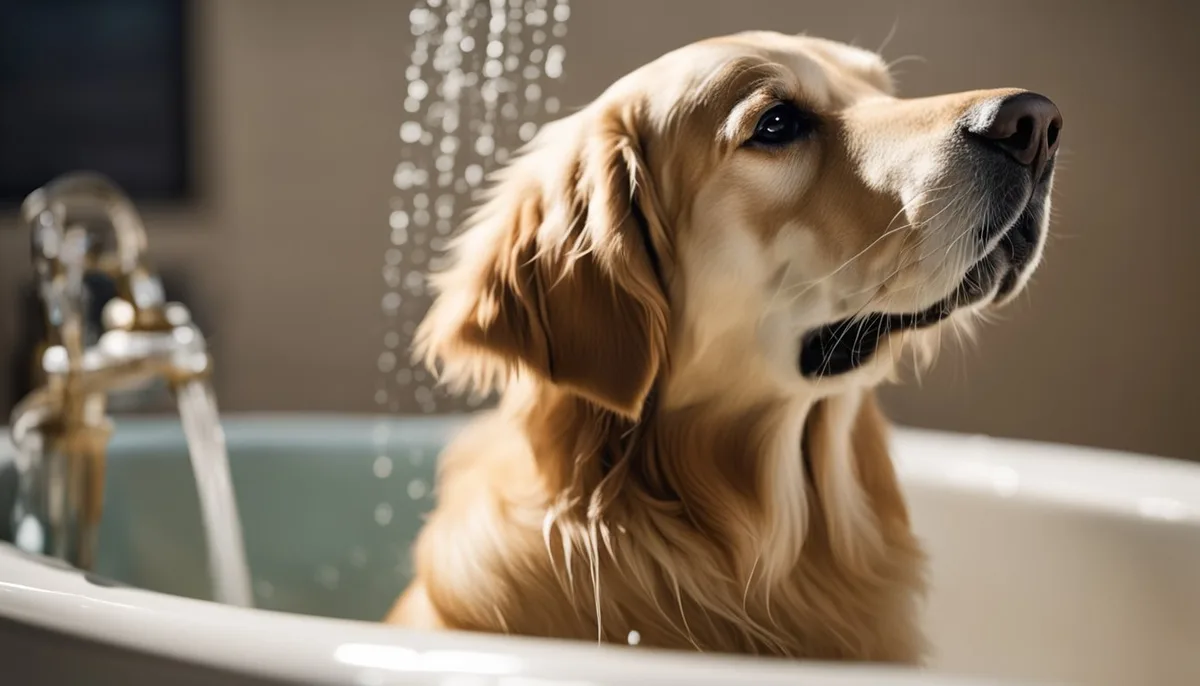
- Always use lukewarm water and a dog-specific, fragrance-free shampoo.
- Skip baths on hot spots or open wounds unless your vet says otherwise.
Why Bathing Frequency Matters for Allergic Dogs
Allergic skin is inflamed skin. Every walk through grass, every dust mite, every flea bite leaves irritants sitting on the coat. Baths physically wash those triggers off before they sink in.
Here's the catch. Bathe too little and allergens pile up. Bathe too much and you strip the natural oils that protect the skin barrier.
That strip leads to dryness, micro-cracks, and even more itching.
Veterinary dermatologists call this "barrier-friendly bathing." It's why the schedule isn't one-size-fits-all. The right frequency for your dog depends on what they're allergic to, how severe the flare is, and what shampoo you use.
The Main Allergy Types That Change Your Bathing Plan
Before you lock in a schedule, figure out which allergy you're dealing with. Each one shifts how often your dog needs a bath.
- Environmental allergies (atopy): pollen, grass, mold, dust mites. These dogs benefit from more frequent baths, especially during high-pollen seasons.
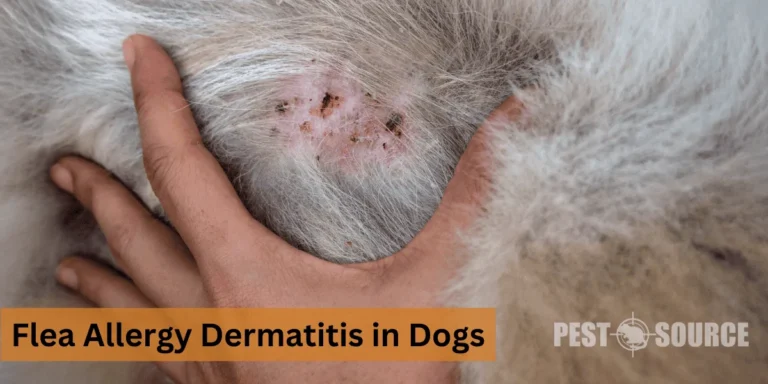
- Flea allergy dermatitis (FAD): a single flea bite can trigger a two-week itch cycle. Baths help soothe the skin, but flea control is the real fix.
- Food allergies (cutaneous adverse food reactions): baths don't change the diet trigger, but they soothe secondary skin infections and yeast overgrowth.
- Contact allergies: reactions to grass, detergents, or fabrics. Baths remove the offending residue right after exposure.
If you're not sure which one your dog has, start with a 1 to 2 week routine and watch for patterns tied to seasons, foods, or outdoor time. That log becomes gold when you talk to your vet.
General Bathing Frequency by Allergy Type
Here's a simple starter chart our research pulls together from veterinary dermatology sources.
| Allergy type | Routine bath frequency | During flare or infection |
|---|---|---|
| Environmental (atopy) | Every 1 to 2 weeks | Every 3 to 5 days with vet guidance |
| Flea allergy dermatitis | Every 2 weeks + strict flea control | Every 2 to 3 days until skin calms |
| Food allergy | Every 2 to 4 weeks | Every 3 to 5 days during skin infection |
| Contact allergy | After known exposure | Every 2 to 3 days during active rash |
A few notes on this table. "Routine" means maintenance when the skin looks calm. "During flare or infection" means the skin is red, smelly, or actively infected.
In that case, your vet may prescribe a medicated shampoo and a tighter schedule, often every 2 to 3 days for the first 1 to 2 weeks.
If your dog is on prescription shampoo, follow the contact time your vet gives you. Most medicated shampoos need 5 to 10 minutes of lather time to actually work. Rinsing too fast washes the medicine down the drain before it has a chance to do its job.
Medicated Shampoos vs. Hypoallergenic Shampoos
Picking the right shampoo matters as much as picking the right day. Here's how the two main categories stack up.
| Feature | Medicated shampoo | Hypoallergenic shampoo |
|---|---|---|
| Active ingredients | Chlorhexidine, miconazole, salicylic acid | Oatmeal, aloe, gentle surfactants |
| Best for | Active infections, yeast, severe itch | Routine maintenance, sensitive skin |
| Prescription needed | Often yes | No |
| Bathing frequency | 2 to 3 days during treatment | 1 to 2 weeks for maintenance |
| Fragrance-free | Usually | Always |
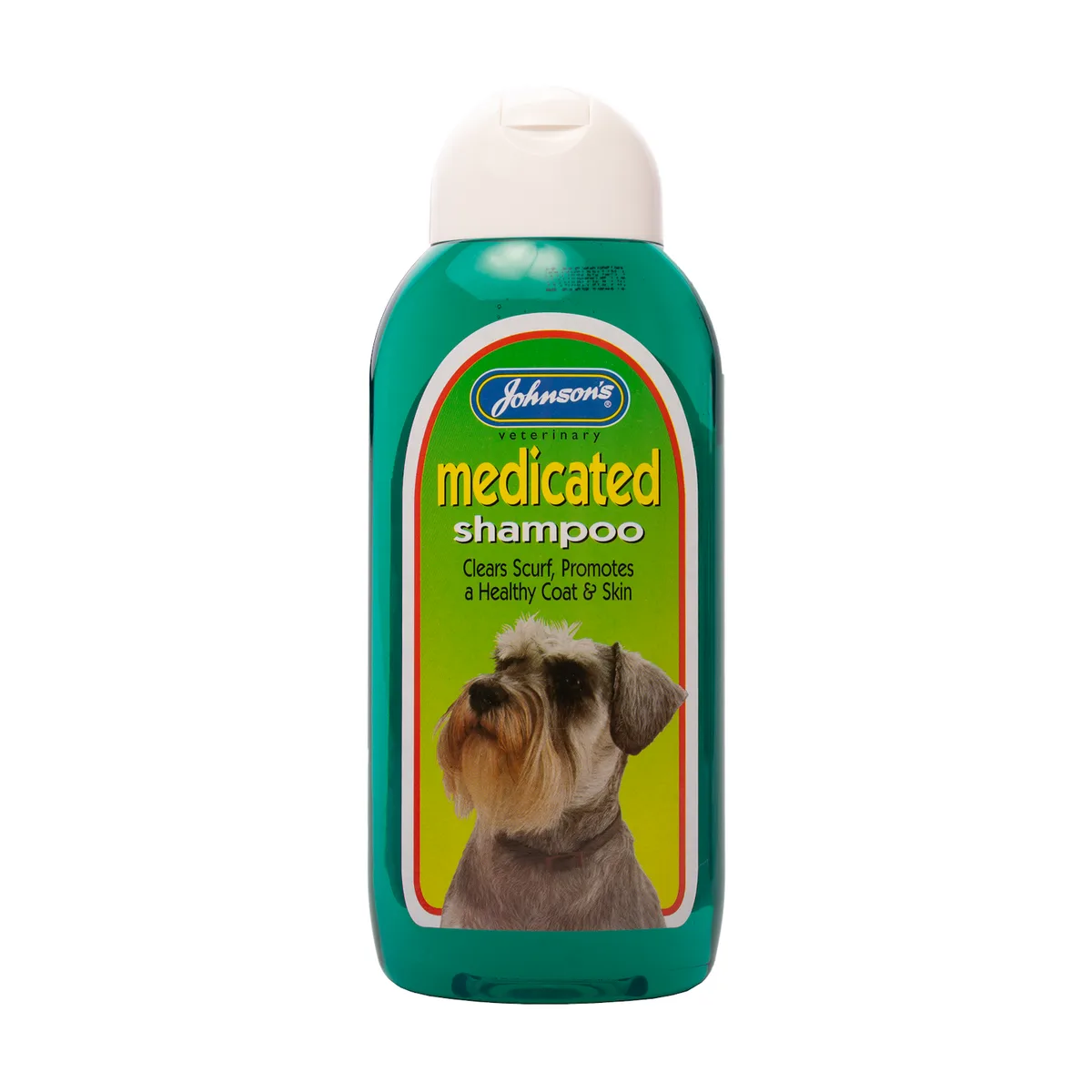
Medicated shampoos are treatment tools. They fight bacteria with chlorhexidine, yeast with miconazole or ketoconazole, and heavy scaling with salicylic acid. They work best in short, frequent bursts during a flare, then you taper off as the skin heals.
Long-term daily use can dry out the coat, so most vets switch you to a gentler shampoo once the infection clears.
Hypoallergenic shampoos are maintenance tools. They're fragrance-free, dye-free, and pH-balanced for dog skin, which runs more neutral than human skin at around 7.0 to 7.5. Oatmeal and aloe bases calm mild itch and rinse clean without leaving residue.
These are what you reach for on a calm, 1 to 2 week schedule.
A common mistake is using a medicated shampoo as a daily "stronger" option. More isn't better here. Overusing medicated formulas can crack the skin barrier and make itching worse over time.
Use them only as long as your vet recommends, then switch back to a gentle formula.
For broader context on canine skin health and when to escalate care, the American Veterinary Medical Association resources on dermatologic conditions are a reliable starting point.
What Actually Happens When You Bathe Too Often
Too many baths strip the sebum layer, the thin oily film that locks moisture into your dog's skin. Once that barrier thins, water evaporates faster and skin gets flaky.
Dry, cracked skin itches more, not less. Dogs scratch, which creates micro-tears, which let bacteria and yeast move in. Now you're not just managing allergies.
You're managing a secondary infection on top of them.
Watch for these signs you're over-bathing:
- Coat feels rough or "cottony" a day or two after a bath
- Dandruff or white flakes appear
- Dog scratches more after baths than before
- Skin looks tight or shiny
If any of these show up, stretch your schedule to every 2 to 3 weeks and switch to a richer conditioner or an oatmeal-based formula.
What Happens When You Don't Bathe Often Enough
Under-bathing lets allergens sit on the coat and skin. Pollen, dust, saliva proteins, and outdoor mold all build up between baths.
You'll notice the dog smells stronger, the coat feels greasy or sticky, and itching gets worse on high-pollen days. Ear infections also flare more often because yeast loves the warm, waxy buildup in the ear canals.
A simple test: wipe a damp white cloth along your dog's back after a week without a bath. If you see yellow grime or smell a musty odor, it's time. Most allergic dogs need at least every 2 weeks to stay ahead of buildup, even on a "good" week.
Choosing the Right Shampoo for an Allergic Dog
Walk down the pet aisle and you'll see dozens of bottles promising relief. Here's how to cut through the noise.
Look for these features first:
- Fragrance-free and dye-free label
- pH-balanced for dogs (human shampoo is too acidic, around 5.5)
- Short ingredient list you can actually read
- Recognizable soothing agents like oatmeal, aloe, or pramoxine
Skip anything with sulfates high on the ingredient list (sodium lauryl sulfate), heavy fragrance, or "antibacterial" claims without active ingredients listed. Those formulas dry out the skin barrier fast.
If your dog has an active infection, your vet may prescribe a chlorhexidine or miconazole shampoo. Use that instead of your OTC option for the duration of treatment, then return to the gentle formula for maintenance.
Step-by-Step Bath Routine That Protects the Skin Barrier
Frequency matters, but technique matters just as much. A rushed or hot bath can undo all the benefits of bathing at all.
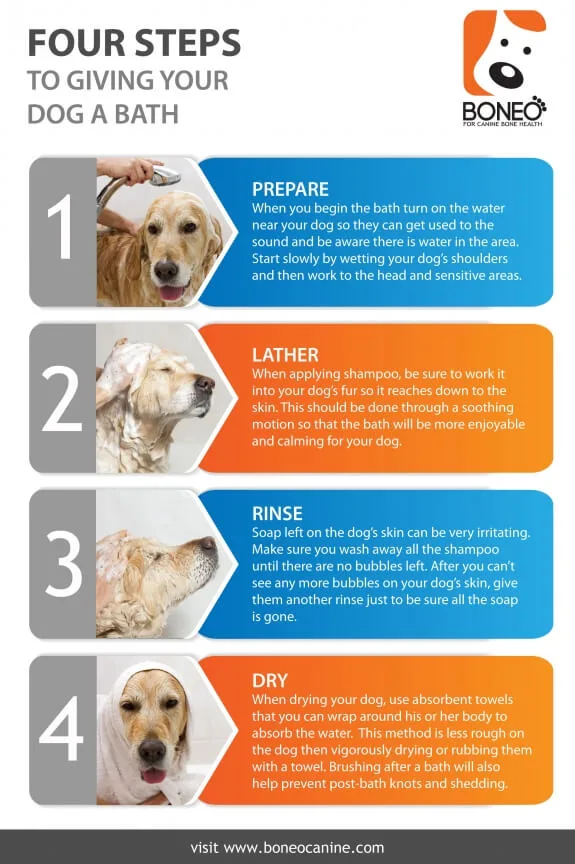
Here's the routine our research keeps coming back to:
- Brush first. Loose hair and mats trap shampoo and block water from reaching skin.
- Set water to lukewarm. Aim for around 37 to 38°C, roughly 98 to 100°F.
- Wet the coat thoroughly. Water should reach the skin, not just sit on top.
- Apply shampoo and massage to contact time. Most medicated formulas need 5 to 10 minutes. Set a timer.
- Rinse longer than you think. Residue is a major itch trigger. Rinse until the water runs completely clear and the coat feels squeaky, not slippery.
- Towel dry gently. Pat, don't rub.
- Air dry or use a blow dryer on cool. Heat can re-trigger itch.
Skip any of these and you risk a dog that's dirtier after the bath than before. The rinse step alone is where most owners go wrong.
Lukewarm Water, Contact Time, and Rinsing: The Details That Matter
Three small details make or break a bath for an allergic dog.
Water temperature: Hot water feels relaxing to us but strips oils and inflames the skin. Cold water doesn't dissolve shampoo well. Lukewarm, around body temperature, is the sweet spot.
You can test it on the inside of your wrist the way you'd test a baby's bottle.
Contact time: If your shampoo says "lather and rinse," that's a hint it's not a medicated formula. Real treatment shampoos need dwell time. Five minutes is the floor for most chlorhexidine and oatmeal formulas.
Ten minutes is common for miconazole blends. Use that time to brush your teeth or clean the tub. The active ingredients can't work if you wash them off in 30 seconds.
Rinsing: Most owners under-rinse. Plan on twice as long rinsing as you spent lathering. Run your fingers through the coat against the grain to make sure water hits the skin.
A final cool rinse helps close the hair cuticle and lock in moisture.
Get these three right and you'll see fewer post-bath flare-ups, less scratching, and a coat that actually looks healthier over time.
Mistakes That Make Allergy Baths Backfire
Even with the right shampoo and schedule, a few common slip-ups can flip a helpful bath into a setback.
Bathing without brushing first: Mats and loose hair block water and shampoo from reaching the skin. You end up with a clean topcoat and a dirty, itchy underlayer. Always brush out before the tub.
Using hot water: It feels soothing in the moment but strips oils and dilates blood vessels in the skin. That dilation often triggers a post-bath itch flare an hour later.
Skipping the contact time: If your vet gave you a medicated shampoo, the 5 to 10 minute wait is non-negotiable. The active ingredients need that dwell to kill bacteria or yeast.
Rinsing too fast: Leftover shampoo residue is one of the top causes of post-bath itching. Most owners rinse for 60 seconds. Aim for 2 to 3 minutes, especially on double-coated or thick-coated breeds.
Bathing over open sores or hot spots: Water and shampoo irritate raw skin. Skip those areas or talk to your vet before the bath.
Reaching for human shampoo: It's the wrong pH and often too harsh. Even baby shampoo is more acidic than dog skin needs.
A simple pre-bath check helps. Run your hands through the coat. If you feel sticky residue, smell a musty odor, or see redness, plan the bath soon rather than on schedule.
Bathing vs. Other Allergy Treatments (and When You Need Both)
Baths are powerful, but they're rarely the whole answer. Most allergic dogs do best with a layered plan.
Here's how baths stack up against other tools:
| Treatment | What it does | Best for |
|---|---|---|
| Routine baths | Washes off allergens, soothes skin | All allergic dogs, year-round |
| Antihistamines | Blocks histamine response | Mild seasonal itch |
| Apoquel or Cytopoint | Targets the itch signal directly | Moderate to severe atopy |
| Immunotherapy (allergy shots or drops) | Retrains the immune system over time | Dogs with confirmed allergen tests |
| Flea control | Stops flea bite reactions | Every allergic dog, no exceptions |
| Diet trial | Tests for food allergies | Suspected food allergy cases |
Baths pair well with all of these. They don't replace medication, but they reduce the itch load so meds work better and doses can sometimes drop.
The biggest mistake owners make is treating baths as a stand-alone fix. If your dog is on Apoquel but still scratching every spring, the bath routine needs to tighten up. If your dog gets a flea allergy dermatitis flare every August, monthly baths alone won't cut it without strict flea control.
Think of baths as one layer in a stack. The more layers you stack, the calmer the skin stays.
Adjusting Bathing Frequency by Season, Climate, and Coat Type
Not every week is the same. Smart owners shift the schedule with the weather and the coat.
High-pollen seasons: Spring and fall mean more airborne allergens. Tighten baths to every 7 to 10 days during peak counts. Wipe paws and belly with a damp cloth on non-bath days to knock off pollen before it spreads.
Humid climates: Moisture in the air feeds yeast and bacterial overgrowth. Dogs in humid regions often need baths every 10 days instead of every 14, plus ear cleaning to prevent yeast infections.
Dry winter climates: Indoor heating drops humidity and dries skin. Stretch baths to every 2 to 3 weeks and add a leave-in conditioner to protect the coat.
Coat type matters too:
- Short, smooth coats: Easy to rinse clean. Every 2 weeks is usually fine.
- Double coats like Huskies or Retrievers: Trap allergens in the undercoat. Every 1 to 2 weeks, with thorough brushing first.
- Curly or wire coats like Poodles or Terriers: Hold debris and need more frequent brushing and bathing, often every 10 to 14 days.
- Hairless breeds: Skin produces more oil. Weekly baths with a gentle shampoo work well.
If you move, travel, or change seasons, give the schedule 2 to 3 weeks to settle before judging results.
Signs Your Dog Needs a Bath Outside the Schedule
Routine is helpful, but the skin tells you when it's time. Watch for these signals that the bath needs to move up.
- Strong "doggy" odor returns sooner than expected
- Coat looks dull, greasy, or sticky between baths
- Dog is scratching, licking, or scooting more than usual
- Red, warm, or moist patches appear on skin
- Ears smell yeasty or look waxy
- Visible dirt, pollen dust, or saliva stains on the coat
A quick sniff and visual check after every walk is enough. You don't need a strict schedule to catch a flare early. Most owners who track symptoms in a simple journal notice the pattern within a month.
Signs Your Dog Needs the Vet Instead of Another Bath
Baths help maintenance and mild flares. They don't fix everything. Get veterinary care if you see any of these red flags.
- Open sores, bleeding, or oozing hot spots
- Skin that smells strongly sweet, musty, or like cheese
- Hair falling out in patches
- Constant scratching that breaks the skin
- Ear infections that keep coming back
- Swelling of the face, lips, or paws
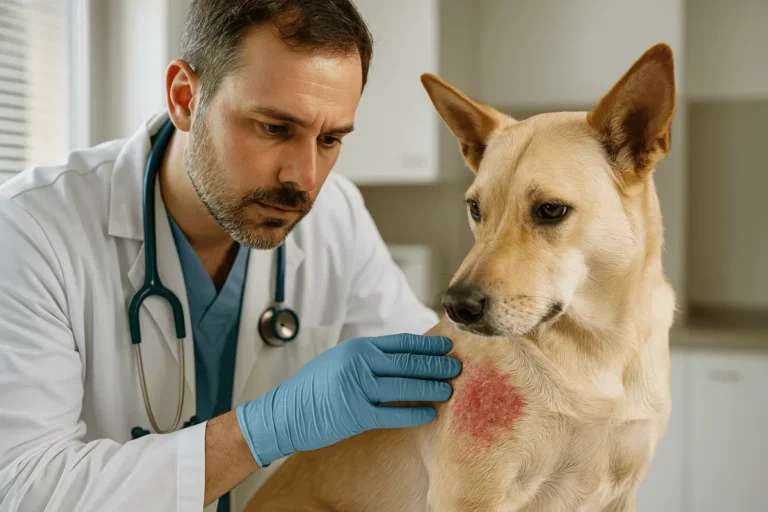
These point to secondary bacterial infections like pyoderma, yeast overgrowth (Malassezia dermatitis), or severe allergic reactions. Those need prescription shampoo, oral medication, or both. Adding another gentle bath at home won't fix them and may slow down real treatment.
When in doubt, call your vet before you fill the tub. A 10-minute call can save you weeks of trial and error.
Safe Products and Ingredients to Avoid
Some ingredients make allergy baths worse, not better. Read the label before you trust the bottle.
Skip these:
- Artificial fragrances and dyes
- Sodium lauryl or sodium laureth sulfate high on the list
- Tea tree oil or essential oil blends (toxic to dogs at full strength)
- Coal tar (old-school anti-itch, can irritate sensitive skin)
- Heavy moisturizers with petrolatum if your dog has a yeast issue
Stick to short ingredient lists. Oatmeal, aloe, chlorhexidine, miconazole, and salicylic acid are all vet-familiar. If you can't pronounce most of the label, it's probably not the right bottle.
For prescription shampoos, your vet's guidance trumps any OTC product on the shelf. Use them exactly as directed.
Building a Long-Term Allergy Care Plan Around Bathing
A bath routine works best as part of a full plan. Build these layers in alongside the tub:
- Strict flea control year-round, even for indoor dogs.
- Wipe downs on high-pollen days between full baths.
- Omega-3 fatty acid supplements to support the skin barrier.
- Vet check-ins every 6 to 12 months to adjust the plan as needed.
- A simple log of baths, flares, and weather to spot patterns.
After 4 to 6 weeks on a consistent routine, most owners see less scratching, fewer hot spots, and a coat that looks healthier. If you don't see improvement, the plan likely needs tweaking, not more baths.
Frequently Asked Questions
Can I bathe my dog every week if they have allergies?
Yes, weekly baths are safe for most allergic dogs as long as you use a gentle, pH-balanced shampoo and lukewarm water. If the coat starts to feel dry or flaky, stretch to every 10 days.
Is it okay to use oatmeal shampoo on a dog with allergies?
Oatmeal shampoo is one of the best OTC options for allergic dogs. It's soothing, fragrance-free, and safe for frequent use on mild to moderate itch.
Should I rinse my dog with cold water after a bath?
A final cool rinse helps close the hair cuticle and reduces post-bath itch. Avoid ice-cold water, which can shock the skin. Lukewarm to cool is the goal.
How long does it take to see results from allergy baths?
Most dogs show reduced scratching within 2 to 4 baths. Full skin barrier improvement typically takes 4 to 6 weeks of consistent bathing and supportive care.
Can I bathe my dog with allergies more during pollen season?
Yes. Tighten the schedule to every 7 to 10 days during peak pollen counts and add daily paw and belly wipes. This reduces the allergen load before it sinks into the skin.
Do I still need flea control if I bathe often?
Always. A single flea bite can trigger a two-week itch cycle in flea-allergic dogs. Baths soothe the skin, but strict, year-round flea prevention is what actually stops the reaction.
What to Do Starting Today
Start with where your dog is right now. If the skin is calm, set a baseline schedule of every 1 to 2 weeks with a gentle shampoo. If a flare is active, call your vet for a medicated plan before you adjust anything at home.
Brush the coat, set the water to lukewarm, and time your contact time. Track each bath, the weather, and any scratching in a simple note. After a month you'll have a real map of what your dog responds to.
Most allergic dogs don't need miracle products. They need a steady routine, the right shampoo, and a plan that adjusts with the season. Build that, and the scratching drops, the coat looks better, and bath day stops feeling like a guessing game.