
How to treat a flea allergy in dogs: Top Guide
If your dog is scratching like crazy, chewing at the base of their tail, or losing hair along the lower back, you're probably searching for how to treat a flea allergy in dogs because nothing you've tried is working. Flea allergy dermatitis (FAD) is the most common skin condition we see in dogs, and it doesn't take many fleas to set it off. Even one or two bites can trigger weeks of itching in a sensitive dog.
The fix isn't just killing the fleas you see. It's killing every flea on the dog, treating the itch and inflammation, and stopping the next generation from hatching in your home. As of 2026, veterinary guidelines from the Companion Animal Parasite Council still recommend year-round flea prevention for most dogs, because fleas survive indoors across all seasons and the allergic reaction can flare long after the last bite heals.
Quick Answer
Treating a flea allergy in dogs takes three steps at once. Kill every flea on the dog with a vet-recommended preventive. Control the allergic itch and any skin infection with prescribed medication.
Treat the home environment to break the flea life cycle. All three steps run together, and missing any one of them leads to repeat flare-ups.
Why Flea Allergy in Dogs Needs Careful Treatment (Not Just Flea Control)
Most owners think flea control means applying a drop or two and waiting. With a flea allergy, that's only half the job. The dog is reacting to proteins in flea saliva, and a single bite can set off itching that lasts days or weeks.
Flea saliva antigens trigger an exaggerated immune response in sensitized dogs, which is why the skin stays angry long after the flea is gone.
This matters because constant scratching damages the skin barrier. Bacteria and yeast move into the broken skin and cause secondary infections that need separate treatment. Without addressing the itch and the home environment at the same time, you're stuck in a cycle of flares.
Here's the bottom line. A flea allergy isn't a flea problem, it's an allergy plus a parasite problem. Treat both, or the scratching won't stop.
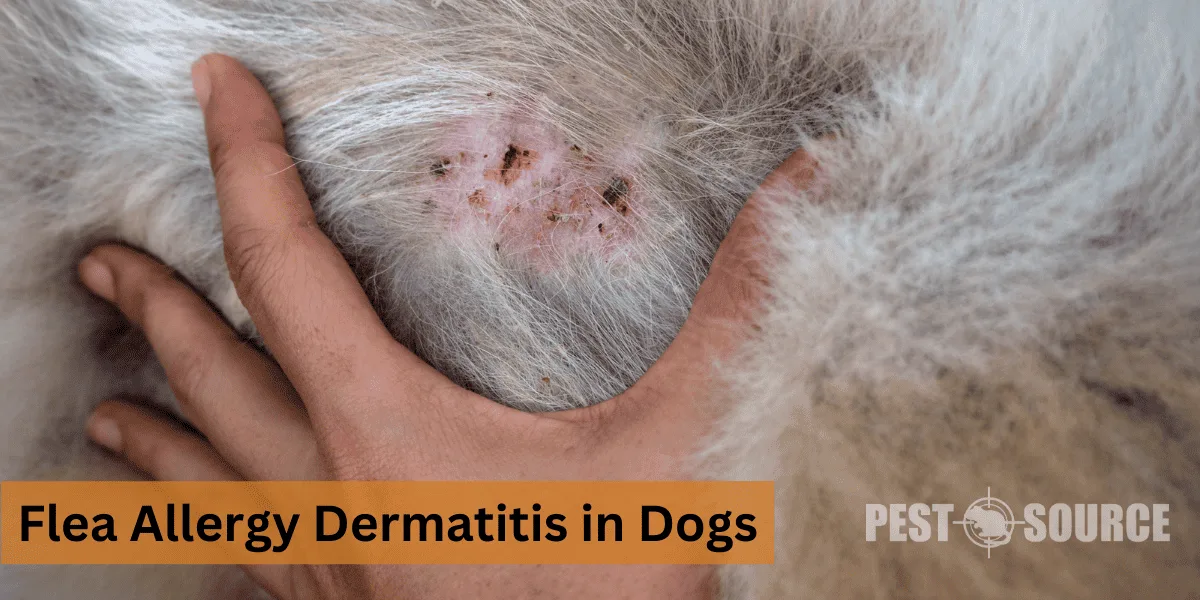
What Flea Allergy Dermatitis Actually Looks Like in Dogs
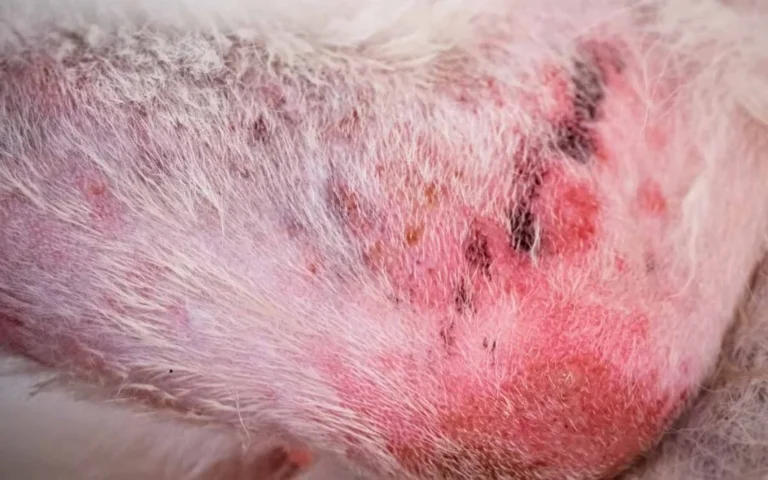
Flea allergy dermatitis shows up in patterns that are easy to recognize once you know what to look for. The classic sign is hair loss and redness along the lower back, tail base, hind legs, and belly. The rump and inner thighs are flea-favored biting zones, so that's where you'll see the worst skin damage.
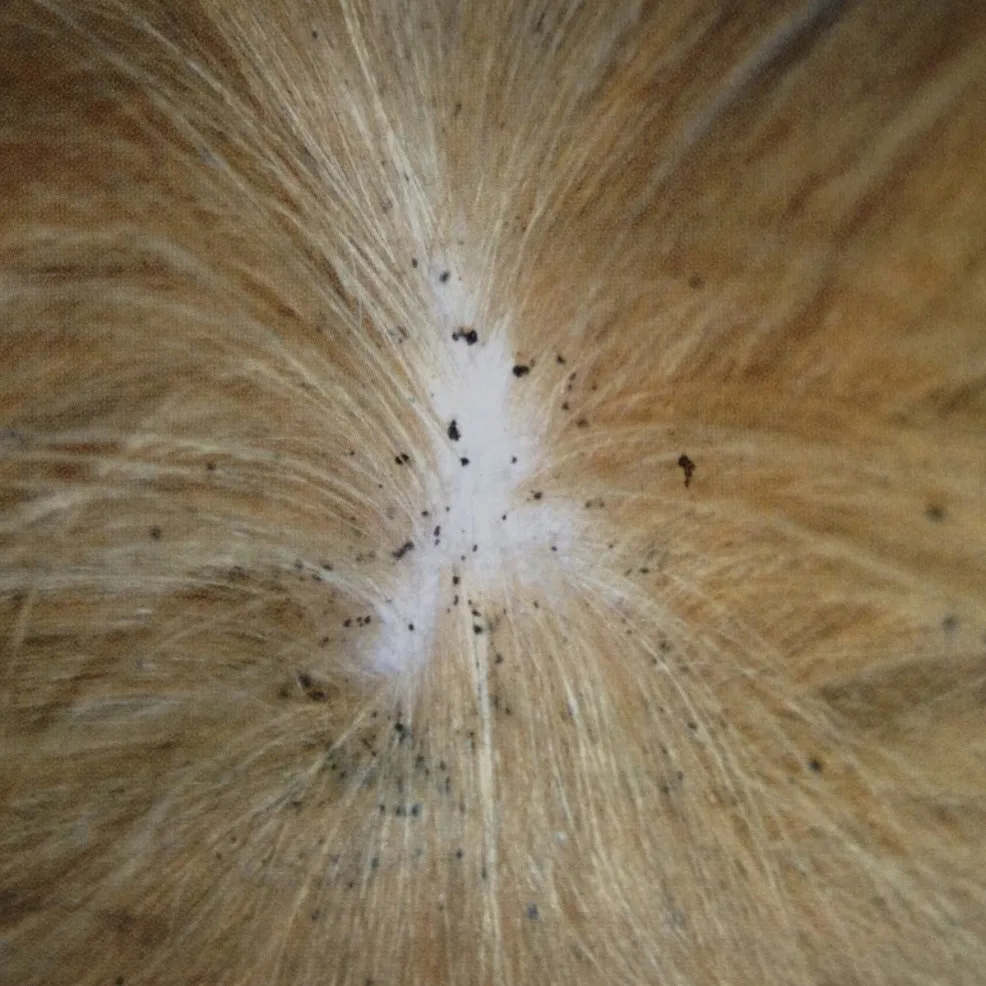
Dogs with FAD often have what's called "flea dirt" in their coat. Flea dirt is digested blood that fleas leave behind, and it looks like black pepper flakes. If you comb it out onto a white paper towel and add a drop of water, it turns reddish brown.
That's a fast way to confirm fleas are feeding even when you don't see the fleas themselves.
Secondary signs include:
- Hot spots, which are raw, moist patches from frantic scratching
- Scabs and crusts along the back and tail
- Thickened, darkened skin in chronic cases
- Restlessness and poor sleep from constant itching
The Merck Veterinary Manual describes the reaction as a Type I hypersensitivity, meaning the immune system overreacts to flea saliva proteins within minutes of the bite.
Common Symptoms Owners Mistake for "Just Fleas"
A lot of dogs get a few fleas without an allergic reaction. With a flea allergy, the symptoms go way beyond what the flea population would suggest. We've seen dogs with only two or three fleas show severe hair loss and infected skin, while non-allergic dogs can carry dozens of fleas with barely a scratch.
Symptoms that point to allergy, not just fleas:
- Itching that lasts more than a few days after a flea treatment
- Hair loss focused on the lower back and tail base, not spread across the whole body
- Repeated ear infections or yeast issues
- Scratching that gets worse at night or after lying down
If your dog fits this pattern, flea allergy is the most likely cause, and treating fleas alone won't resolve the skin damage already done.
Why a Vet Diagnosis Matters Before Treatment Starts
It's tempting to skip the vet and grab a stronger flea product off the shelf. That can backfire fast. Many over-the-counter flea treatments don't kill fleas fast enough to prevent bites, and some dogs with FAD need prescription anti-itch medication to break the scratching cycle.
A vet visit usually includes:
- A skin exam to map out the affected areas
- A flea combing to confirm active fleas or flea dirt
- Skin cytology to check for bacterial or yeast infections
- Sometimes allergy testing to rule out food or environmental allergies
Allergy testing isn't required to start treatment, but it helps in chronic or unclear cases. Ruling out other conditions like sarcoptic mange, food allergies, or atopic dermatitis saves you from treating the wrong problem.
Warning: Never apply a flea product labeled for dogs to a cat in the household. Permethrin and similar ingredients are toxic to cats and can be fatal. Always check species-specific labels, especially in multi-pet homes.
Core Treatment: Killing Fleas on the Dog
The first pillar of treatment is getting every flea off the dog, and keeping them off. For an allergic dog, the goal isn't just killing fleas, it's killing them before they can bite. That distinction matters because some products kill slowly, and a single bite is enough to restart the allergic flare.
Here's a quick comparison of the main options your vet will likely discuss:
| Option | Speed of Kill | Duration | Notes |
|---|---|---|---|
| Oral isoxazolines (fluralaner, afoxolaner, sarolaner) | Within 4 to 8 hours | 1 to 3 months per dose | Fastest kill, prescription-only |
| Oral spinosad | Within 30 minutes to 4 hours | 1 month | Fast acting, monthly chew |
| Topical spot-ons (fipronil, imidacloprid) | 12 to 24 hours | 1 month | Easier for dogs that refuse pills |
| Flea collars (seresto-class) | 24 to 48 hours | 8 months | Good for long-term coverage |
Topical Flea Preventives for Allergic Dogs
Topical treatments like fipronil and imidacloprid spread across the skin's oil layer and kill fleas on contact. They work well for mild cases, but they don't stop fleas from biting before they die. For a sensitive dog, that's a problem.
Vets often combine topicals with oral preventives during a flare for faster relief.
Oral Flea Preventives (Chewables and Tablets)
Oral preventives are usually the first choice for flea-allergic dogs. Isoxazoline-class drugs like fluralaner and afoxolaner kill fleas so fast that many dogs never get bitten. They're given as a chewable tablet every 1 to 3 months depending on the product.
Manufacturer data shows Bravecto (fluralaner) kills adult fleas within 8 hours and protects for 12 weeks. NexGard (afoxolaner) kills fleas within 4 hours and protects for a month.
Flea Collars as Part of a Treatment Plan
Modern flea collars release low doses of insecticide over months. They're useful for long-term maintenance but rarely strong enough alone during an active flare. We use them as a backup layer, not the frontline treatment for an allergic dog.
Core Treatment: Controlling the Itch and Inflammation
Killing fleas is step one. Step two is breaking the itch cycle so the skin can actually heal. In a flea-allergic dog, the itch comes from the immune system overreacting to flea saliva, not from fleas still being there.
That means you need medication that quiets the allergic response, not just more flea spray.
Steroids for Short-Term Flare Relief
Corticosteroids like prednisone are the classic fast-acting option. They reduce inflammation and itching within hours. Vets usually prescribe a short course, tapering down over one to two weeks.
Long-term steroid use carries side effects like increased thirst, weight gain, and immune suppression, so they're a rescue tool, not a maintenance plan.
Apoquel vs. Cytopoint: Targeted Itch Control
Two modern prescription options have changed how we manage allergic itch:
- Apoquel (oclacitinib) is a daily oral tablet that blocks itch signaling at the immune cell level. Most dogs show relief within 4 hours. It's safe for long-term use in many dogs.
- Cytopoint (lokivetmab) is an injectable antibody given by your vet every 4 to 8 weeks. It's a good fit for dogs that refuse pills or have other health issues.
Both target the itch pathway directly, with fewer side effects than steroids. Apoquel works faster and is daily, Cytopoint lasts longer but takes a day or two to kick in.
When Antihistamines Help (and When They Don't)
Antihistamines like diphenhydramine or cetirizine are sometimes suggested for mild cases. In our research, they help fewer than 20% of dogs with flea allergy because the itch isn't mainly histamine-driven in FAD. They're worth a try for mild symptoms, but don't expect them to control a serious flare.
Treating Secondary Skin Infections From Scratching
Constant scratching breaks the skin barrier, and broken skin invites bacteria and yeast. The two most common invaders are Staphylococcus pseudintermedius (bacterial pyoderma) and Malassezia yeast. Both cause odor, redness, and that classic "dog smell" owners notice during a flare.
Vets confirm infection with skin cytology or a culture. Treatment usually runs 2 to 4 weeks:
- Antibiotics like cephalexin for bacterial infections
- Antifungals like ketoconazole for yeast overgrowth
- Medicated shampoos with chlorhexidine or miconazole to reduce surface pathogens
Stopping antibiotics early is a common mistake. Even if the skin looks better after a week, the infection isn't fully cleared, and stopping too soon invites resistance and relapse.
Breaking the Flea Life Cycle in Your Home
An adult flea is only the tip of the iceberg. For every flea you see on your dog, there are typically dozens more in the environment as eggs, larvae, and pupae. If you only treat the dog, the next generation hatches and the cycle restarts in about 2 to 3 weeks.
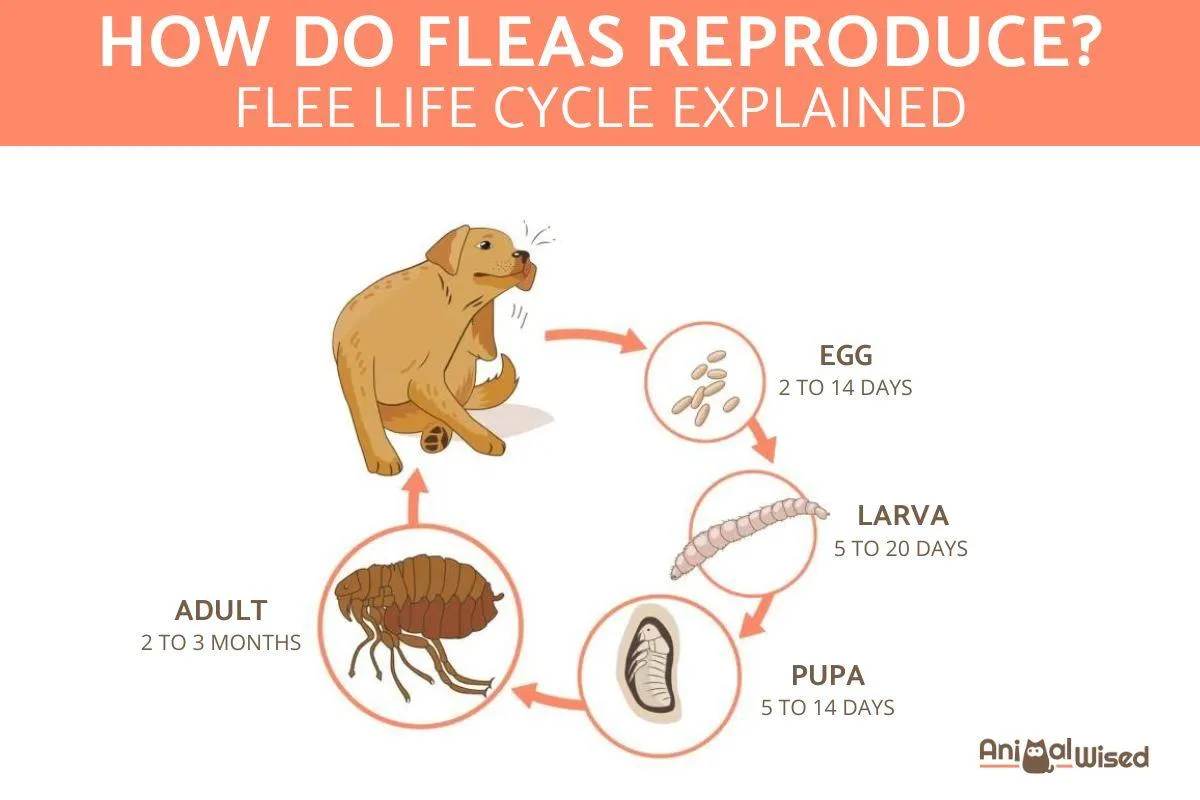
Washing, Vacuuming, and Bedding Management
Heat and disruption are your best weapons against immature fleas:
- Wash all dog bedding in hot water (at least 130°F) weekly
- Vacuum carpets, rugs, and furniture daily during a flare
- Throw away vacuum bags immediately or empty the canister outside
- Steam clean upholstery when possible, since heat kills larvae and pupae
Home Sprays, Foggers, and Professional Pest Treatments
Insect growth regulators (IGRs) like methoprene and pyriproxyfen stop flea eggs and larvae from developing. Many home sprays and foggers combine an adulticide with an IGR for full coverage. For heavy infestations, a professional exterminator may be the faster fix.
Heavy infestations often take 6 to 8 weeks of consistent environmental work to fully resolve.
Treating All Pets in the Household
If you have multiple pets, every one of them needs flea prevention, even the ones without symptoms. Cats are common hidden carriers, and dogs can pick up fleas from untreated housemates. Skipping even one pet resets the whole cycle.
Step-by-Step: How to Treat a Flea Allergy Flare From Start to Recovery
A clear order of operations speeds up healing and prevents setbacks. Here's the workflow we recommend during an active flare:
- Confirm the diagnosis. Visit your vet for a skin exam and flea combing. Rule out secondary infections.
- Start a fast-kill oral preventive. Isoxazoline options like fluralaner or afoxolaner kill fleas within hours.
- Begin anti-itch medication. Apoquel, Cytopoint, or a short steroid course to break the scratch cycle.
- Treat any skin infection. Antibiotics or antifungals for 2 to 4 weeks based on cytology.
- Treat the home. Wash bedding, vacuum daily, and apply an IGR-based spray.
- Prevent every pet in the home. Coordinate preventives across all animals.
- Recheck with your vet. Confirm healing and adjust long-term prevention.
Follow this sequence and most dogs start improving within a week, with full skin recovery in 6 to 8 weeks.
Mistakes Owners Make That Keep Dogs Itchy
Even with good intentions, a few common errors keep flare-ups going:
- Stopping prevention in winter. Fleas survive indoors year-round. Year-round prevention beats seasonal gaps.
- Treating only the itchy dog. Skipping other pets lets fleas shuttle back and forth.
- Over-bathing damaged skin. Frequent baths strip moisture and slow healing. Stick to medicated baths as prescribed.
- Using essential oils or natural remedies. Tea tree oil, citrus oils, and similar products can irritate allergic skin and worsen inflammation.
- Stopping antibiotics early. Incomplete antibiotic courses breed resistant bacteria and cause relapses.
- Ignoring the yard. Outdoor flea eggs hatch in shaded, moist spots. Yard treatments help in heavy infestations.
Avoid these and you'll cut the cycle short. Repeat them and you'll see the same flare every few weeks.
How Long It Takes for a Flea-Allergic Dog to Heal
Healing follows a predictable arc once treatment is on track:
- Days 1 to 3: Fleas die, new bites stop, itching begins to ease with medication.
- Days 4 to 14: Inflammation drops, hot spots dry up, hair regrowth starts.
- Weeks 3 to 6: Skin barrier repairs, pigmented or thickened areas slowly normalize.
- Weeks 6 to 8: Full coat recovery in most uncomplicated cases.
Chronic or infected cases can take 3 months or longer. Consistency matters more than speed.
Year-Round Prevention vs. Seasonal Flea Control
The old advice was to stop flea prevention in cold months. That advice is outdated. Modern homes stay warm enough for fleas to survive indoors all year, and a single flea brought in on a shoe or pant leg can trigger a flare in a sensitive dog.
Year-round prevention is the standard recommendation from the Companion Animal Parasite Council as of 2026. Seasonal prevention works only in regions with hard freezes and strictly outdoor dogs. For most households, the simpler rule is best: prevention runs every month, every quarter, or every 8 months depending on the product, with no breaks.
When to Go Back to the Vet (Warning Signs)
Even with solid home treatment, some signs mean it's time for a recheck:
- New hot spots or spreading redness after initial improvement
- Foul odor, pus, or yellow discharge from the skin
- Lethargy, appetite loss, or fever
- No improvement after 2 weeks of consistent treatment
- Vomiting or diarrhea after starting a new flea medication
These can signal resistant infection, medication reactions, or an underlying condition that needs a closer look.
Safe Flea Treatment for Puppies, Seniors, and Sensitive Dogs
Not every dog fits the standard prevention plan. Age and health matter.
- Puppies under 8 weeks: Many preventives have minimum age and weight limits. Nitenpyram is approved for puppies as young as 4 weeks at 2 pounds.
- Senior dogs with kidney or liver issues: Topical options may be safer than oral preventives metabolized through the liver.
- Dogs with seizure history: Isoxazolines carry an FDA warning about seizure risk in dogs with a history of neurologic issues. Topicals or other classes may be safer.
- Pregnant or nursing dogs: Always confirm safety with your vet, as some products are not approved for use during pregnancy.
Your vet can match the product to the dog instead of the other way around.
Cost Breakdown: What Flea Allergy Treatment Typically Runs
Costs vary by region and severity, but here's a realistic range based on aggregate U.S. veterinary pricing as of 2026:
| Item | Typical Cost |
|---|---|
| Vet exam and skin cytology | $80 to $200 |
| Oral preventive (per dose) | $40 to $80 |
| Apoquel (per month) | $70 to $120 |
| Cytopoint injection | $60 to $150 |
| Antibiotic course | $30 to $80 |
| Home flea treatment spray | $20 to $50 |
| Professional pest service | $150 to $400 |
Total first-month costs often run $300 to $600, with ongoing prevention at $30 to $60 per month.
Flea Allergy vs. Food Allergy vs. Environmental Allergy: How to Tell
The itching looks similar, but the patterns differ. Here's a quick comparison:
| Allergy Type | Common Pattern | Diagnostic Clue |
|---|---|---|
| Flea allergy | Lower back, tail base, hind legs | Flea dirt present, responds to flea control |
| Food allergy | Year-round itching, ears, paws, rear end | Improves with elimination diet trial |
| Environmental (atopy) | Face, paws, armpits, groin | Seasonal flare pattern, positive skin test |
Many dogs have more than one allergy at once, which is why vet testing matters.
Best Flea Prevention Plans for Different Dog Lifestyles
Match the plan to the dog's life:
- Active outdoor dog in a flea-heavy region: Year-round isoxazoline oral + monthly IGR yard treatment.
- Indoor dog in a multi-pet home: Year-round oral or topical for every pet, regular vacuuming.
- Senior dog with health issues: Topical preventive + vet-guided anti-itch plan.
- Sensitive dog with mild FAD: Year-round oral preventive + Apoquel or Cytopoint as needed for flares.
The right plan depends on exposure, household pets, and the dog's health history.
Frequently Asked Questions
Can a dog have flea allergies with no visible fleas?
Yes. Flea-allergic dogs react to just a few bites, so you may not see adult fleas. Flea dirt or a positive skin test confirms exposure.
How fast does Apoquel work for flea allergy itching?
Most dogs show noticeable relief within 4 hours, with full effect by 24 hours.
Is flea allergy contagious to other dogs or people?
The allergy itself isn't contagious, but fleas spread easily between pets. Humans can get bitten but don't develop the same immune reaction.
Can I use over-the-counter flea products for an allergic dog?
OTC products can help mild cases, but prescription preventives kill fleas faster. Fast kill matters most for allergic dogs.
Will my dog need flea medication forever?
Most flea-allergic dogs benefit from lifelong year-round prevention. Stopping usually leads to flares.




One Comment