How to help a dog with allergies: Best guide
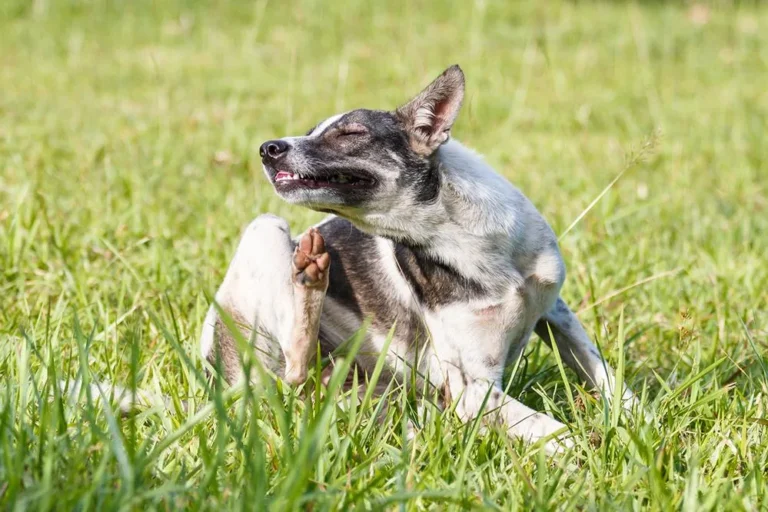
If your dog won't stop scratching, licking their paws, or shaking their head, you're probably searching how to help a dog with allergies right now. The good news is that most allergy cases in dogs are very manageable once you know what type you're dealing with. The tricky part is that "dog allergies" actually means three different conditions, and each one needs a different fix.
Treating the wrong type is one of the most common reasons owners end up stuck in a cycle of frustration. Environmental allergies affect roughly 10, 15% of dogs, while food allergies and flea allergy dermatitis are separate problems with their own treatment paths. As of 2026, the standard approach still starts with your vet, ruling out fleas, then narrowing down the trigger with testing or an elimination diet before choosing medication.
Quick Answer
Helping a dog with allergies starts with a vet visit. Rule out fleas first. Then identify the trigger through testing or an 8 to 12 week elimination diet.
Treatment options include Apoquel, Cytopoint, antihistamines, prescription diets, immunotherapy, and environmental control. Severity and allergy type determine the best plan. Severe or worsening symptoms need a veterinary dermatologist.
Why Dog Allergies Deserve a Careful, Informed Approach
Dog allergies don't behave like human allergies. A kid with hay fever sneezes. A dog with the same trigger chews their paws raw, gets ear infections, or develops hot spots from scratching.
That difference is why so many owners waste months trying over-the-counter antihistamines that barely help.
There's also real harm in guessing wrong. Long-term steroid use in dogs can cause Cushing's disease, immune suppression, and weight gain. Apoquel and Cytopoint are FDA-approved for dogs 12 months and older, but they're prescription-only for good reason.
Misuse or wrong dosing creates problems that are harder to undo than the allergy itself.
The stakes are high enough that this topic falls firmly in the "talk to your vet" category, not the "DIY at home" category. The American Veterinary Medical Association is a solid starting point for understanding when professional care is non-negotiable.
The Three Main Types of Dog Allergies (and Why They Need Different Solutions)
Before you pick a treatment, you need to know what you're treating. Most allergic dogs fall into one of three buckets, and the solutions look nothing alike.
Environmental allergies (atopic dermatitis): Triggered by pollen, dust mites, mold, or grass. Often seasonal, but can become year-round. This is the most common type and typically shows up between 6 months and 3 years of age.
Flea allergy dermatitis (FAD): Caused by a hypersensitivity to flea saliva. Even a single bite can trigger weeks of itching in sensitive dogs. It's the most underdiagnosed type because owners don't see fleas and assume their dog is "clean."
Food allergies: Triggered by a specific protein source (commonly beef, chicken, or dairy). These are actually less common than people think, accounting for roughly 10% of allergic skin cases. Symptoms can include itching AND chronic ear infections or digestive issues.
Why the type matters so much
Apoquel won't fix a food allergy. An elimination diet won't help with pollen. And flea prevention is irrelevant if the trigger is chicken.
Each type has its own diagnostic path and its own treatment protocol.
| Allergy Type | Common Triggers | Typical Age of Onset | Diagnostic Method |
|---|---|---|---|
| Environmental | Pollen, dust, mold | 6 months to 3 years | Intradermal or serum IgE testing |
| Flea Allergy Dermatitis | Flea saliva | Any age | Response to strict flea control |
| Food | Beef, chicken, dairy | Often under 1 year | 8 to 12 week elimination diet |
Recognizing the Warning Signs: What Dog Allergies Actually Look Like
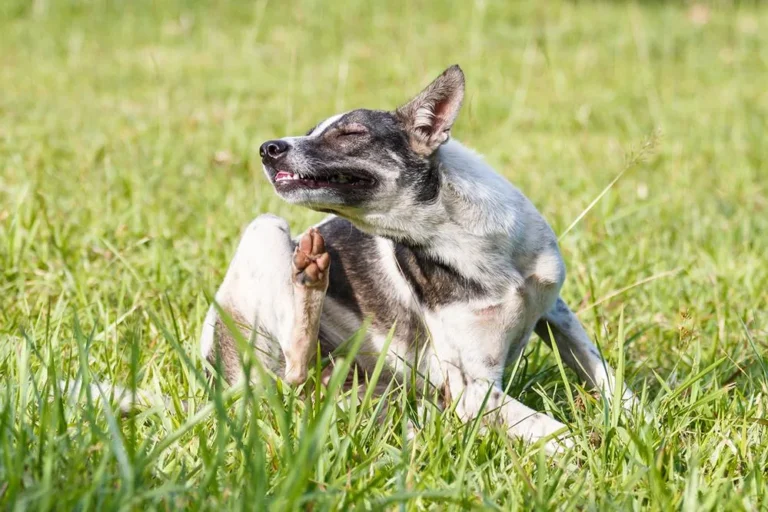
Allergies in dogs look different than you'd expect. Sneezing and watery eyes are actually uncommon. Itching is the dominant symptom, and it shows up in specific patterns.
The most common symptoms to watch for
- Persistent scratching, licking, or chewing at the paws
- Repeated ear infections or head shaking
- Hot spots (raw, moist patches of skin)
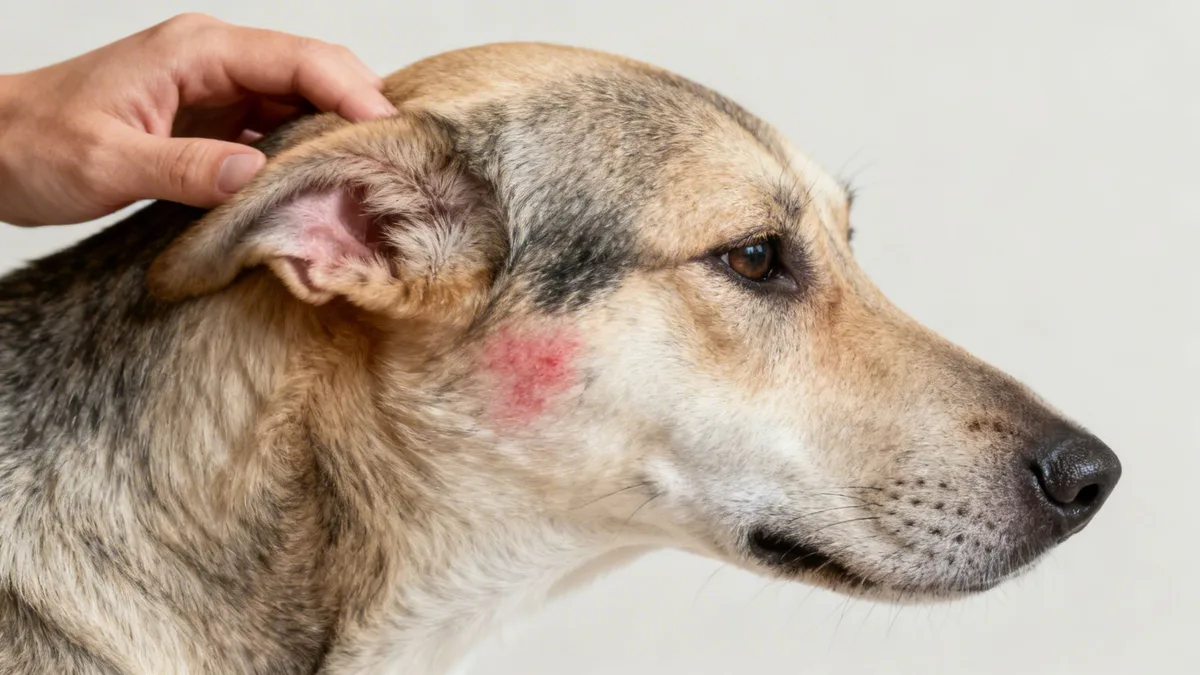
- Red or inflamed skin, especially on the belly, armpits, and groin
- Hair loss from over-grooming
- Recurring anal gland issues
- Chronic diarrhea or soft stool (food allergies)
Where the itching shows up tells you something
Paw licking often points to environmental allergens. Ear infections that keep coming back are a strong red flag for food allergies. Rear-end scooting and tail-base itching lean toward fleas.
Face rubbing and armpit irritation are classic atopic dermatitis signs.
If you notice any of these, don't wait. The longer a dog scratches, the higher the risk of secondary bacterial or yeast infections, which need separate treatment.
Step 1: Visit Your Vet and Rule Out Fleas First
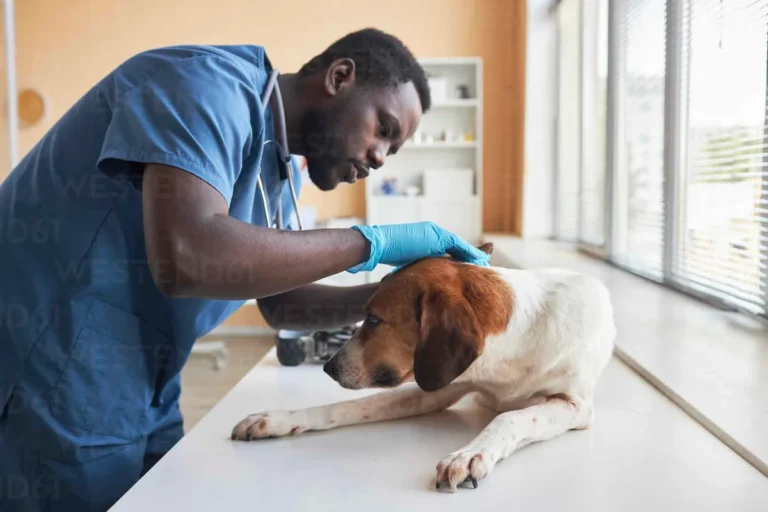
This step is non-negotiable, even if you're sure your dog doesn't have fleas. Flea allergy dermatitis is the easiest allergy to rule out and the easiest to fix. Skipping it leads to wasted money on treatments that can't work.
What your vet will likely do
- Perform a physical exam, paying close attention to the skin and ears
- Check for flea dirt (digested blood) using a fine-tooth comb
- Recommend a skin cytology to rule out secondary infections
- Possibly run bloodwork if the dog is on long-term medication
Why flea prevention is step one for every itchy dog
Strict flea control means treating every animal in the household, every month, with a vet-recommended product. Over-the-counter flea collars and natural remedies often fail for allergic dogs. If symptoms improve dramatically with rigorous flea control, you've likely found the culprit.
Even indoor dogs in warm climates need year-round flea prevention. The American College of Veterinary Dermatology recommends this standard, and clinical experience bears it out.
Step 2: Identify the Allergy Type Through Testing and Elimination
Once fleas are ruled out, your vet will help narrow down whether the trigger is environmental or food. This is where most owners either shortcut the process (and get stuck) or commit to the protocol (and get answers).
Environmental allergy testing
Two main methods exist: intradermal skin testing (gold standard, done by a dermatologist) and serum IgE blood testing (more accessible, slightly less precise). Both look for reactions to common regional allergens like tree pollen, grasses, mold spores, and dust mites.
Testing is most useful if you're considering immunotherapy, since the results directly shape the custom serum. Testing alone doesn't fix the problem. It just informs the treatment plan.
Food allergy testing: the limits
Blood tests and saliva tests for food allergies are unreliable in dogs. False positives are common. The American College of Veterinary Dermatology and most veterinary dermatologists do not recommend them for diagnosis.
The only trustworthy method is an elimination diet, covered in the next section.
Step 3: Run a Proper Elimination Diet for Food Allergies
If food allergy is on the table, there's no shortcut here. An elimination diet means feeding a novel protein (or a hydrolyzed protein prescription diet) for 8 to 12 weeks with absolutely nothing else. No treats, no table scraps, no flavored medications, no dental chews.

How to run an elimination diet correctly
- Choose a single protein your dog has never eaten (rabbit, venison, duck) OR use a prescription hydrolyzed diet
- Feed only that food for the full trial period
- Cut all treats, chews, and flavored preventatives (ask your vet about non-flavored alternatives)
- Watch for gradual improvement, often noticeable around week 6
- At the end, reintroduce old foods one at a time to identify the trigger
Common elimination diet mistakes
Owners often "cheat" without realizing it. A piece of cheese during training, a flavored heartworm preventative, or a dental chew all break the trial. The Merck Veterinary Manual is a reliable reference on this protocol if you want the technical detail.
If symptoms resolve during the diet and flare when old food returns, you've identified a true food allergy. The fix is lifelong avoidance of that ingredient.
Step 4: Manage Environmental Allergies at Home
Once environmental allergies are confirmed, management happens at home every single day. Medication helps, but reducing allergen exposure lowers the dose needed and improves long-term comfort.
Practical environmental control steps
- Wipe your dog's paws and belly after walks to remove pollen
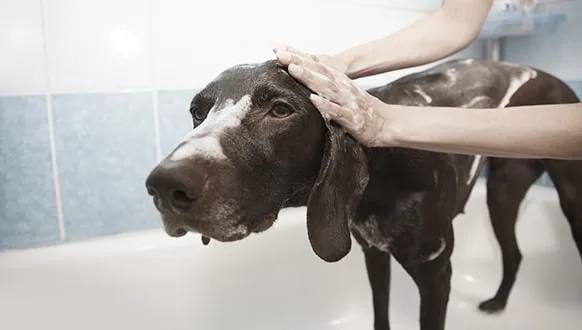
- Bathe every 1 to 2 weeks with a gentle, hypoallergenic shampoo
- Run a HEPA air purifier in the room where your dog sleeps
- Wash dog bedding weekly in hot water
- Vacuum frequently with a HEPA-filter vacuum
- Keep grass short in the yard and avoid early-morning walks during peak pollen
Why bathing matters more than people think
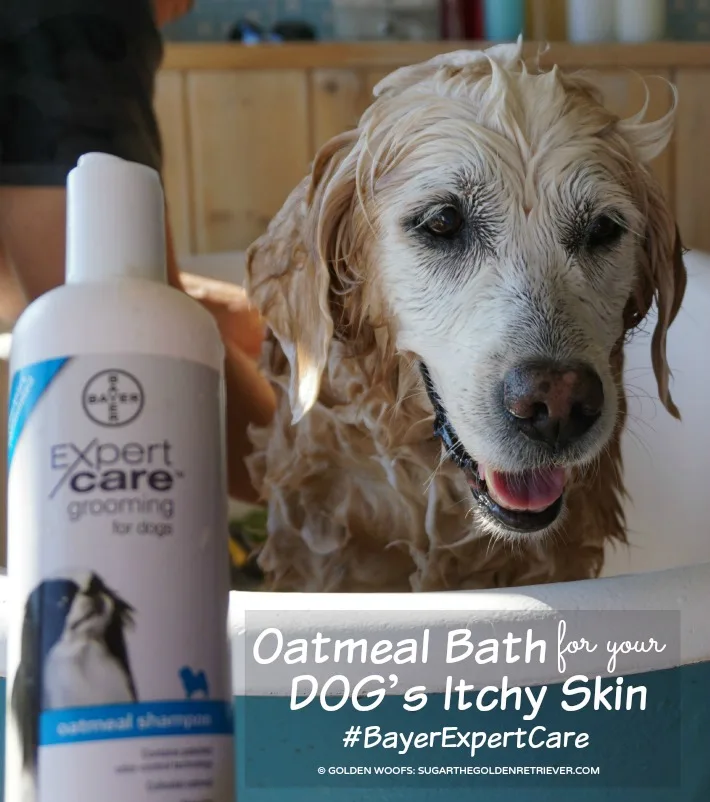
Regular rinsing physically removes allergens from the coat and skin. It's not a cure, but it meaningfully reduces itching between medication doses. Oatmeal-based or chlorhexidine shampoos are common starting points, though medicated options exist for dogs with active skin infections.
Apoquel vs Cytopoint vs Antihistamines: Which Medication Is Right for Your Dog?
This is the comparison most owners want, and the honest answer is that they serve different roles. Picking the wrong one usually means wasted money and continued itching.
Apoquel: fast, daily tablets
Apoquel (oclacitinib) is a daily oral tablet that blocks the itch signal at the source. It works within 4 hours and is approved for dogs 12 months and older. Aggregate clinical data shows strong efficacy for environmental allergies.
Common pricing is roughly $2 to $4 per tablet depending on dose.
Cytopoint: long-lasting injection
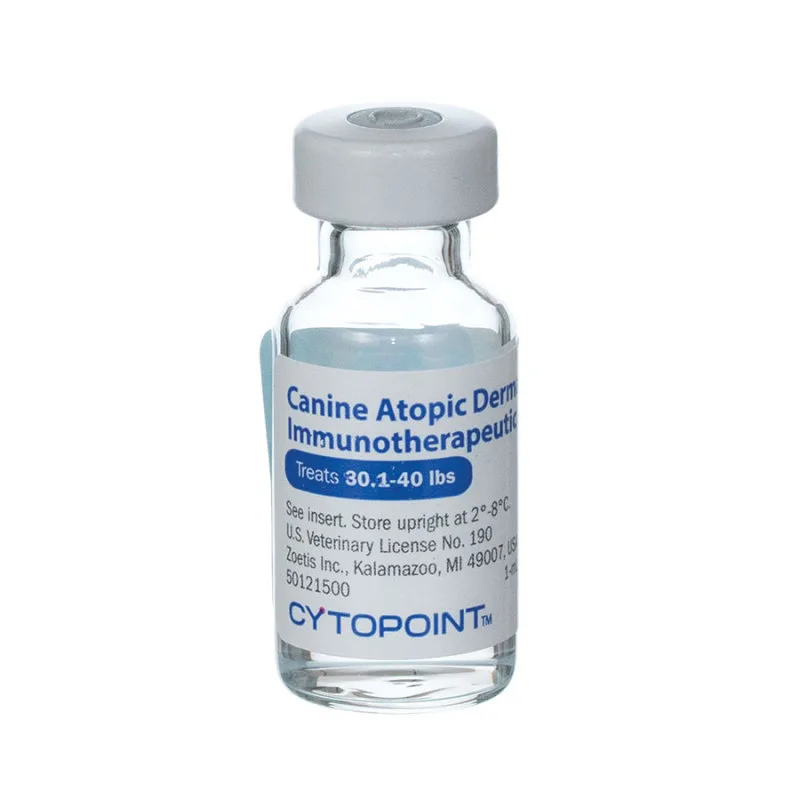
Cytopoint (lokivetmab) is an injectable antibody given at the vet every 4 to 8 weeks. It's a great fit for dogs that fight pill-taking, and many owners report fewer systemic side effects than Apoquel. Cost per injection varies but typically runs $60 to $150 depending on dog size.
Antihistamines: limited but cheap
Benadryl (diphenhydramine), Zyrtec (cetirizine), and Claritin (loratidine) sometimes help mild cases. Research and clinical experience both show they're far less effective in dogs than in humans. They're worth a try for very mild symptoms but rarely control moderate or severe allergies alone.
Quick comparison
| Medication | Form | Speed | Best For | Key Limit |
|---|---|---|---|---|
| Apoquel | Daily tablet | Hours | Moderate to severe itching | Daily dosing required |
| Cytopoint | Injection | 1 to 2 days | Dogs that resist pills | Cost over time |
| Antihistamines | Oral | Days | Very mild cases | Low effectiveness |
Prescription Diets, Supplements, and Topical Treatments That Actually Help
Medication gets most of the attention, but adjunctive treatments matter. They reduce flare severity and let you use lower drug doses over time.
Prescription and hydrolyzed diets
For food-allergic dogs, prescription hydrolyzed diets break proteins into fragments too small for the immune system to recognize. They're more reliable than over-the-counter "limited ingredient" foods, which often contain cross-contaminated proteins.
Omega-3 fatty acid supplements
Fish oil supplements (EPA and DHA) support the skin barrier and reduce inflammation. Clinical trials consistently show modest but real benefits for allergic dogs. Expect 6 to 8 weeks before you see the full effect.
Topical therapies
Medicated sprays, mousses, and wipes can target hot spots, inflamed paws, and skin folds. They're useful between baths or for dogs that can't tolerate frequent full baths. Ingredients like chlorhexidine and micronized oatmeal are common and well-tolerated.
Probiotics and emerging options
Some emerging research supports specific probiotic strains for modulating immune response in allergic dogs. The evidence is still early, but it's a reasonable add-on for owners looking for every possible edge.
Long-Term Options: Immunotherapy and Allergy Shots for Dogs
Immunotherapy is the only treatment that actually retrains the immune system rather than masking symptoms. It's the gold standard for dogs with confirmed environmental allergies who don't tolerate or respond well to daily medication.
How immunotherapy works
Custom serum is formulated based on allergy testing results. Dogs receive gradually increasing doses, either by injection (allergy shots) or under-the-tongue drops. Over time, the immune system becomes less reactive to those specific allergens.
Realistic expectations
- Cost typically runs $500 to $1,500 in the first year
- Improvement is gradual, often taking 6 to 12 months
- Roughly 60 to 80% of dogs show meaningful improvement
- Many dogs can eventually reduce or stop other medications
Immunotherapy isn't a quick fix. It's a long game for owners committed to managing chronic allergies. For the right dog, it's also the most rewarding option available.
Common Mistakes Dog Owners Make When Treating Allergies
Most allergy failures aren't about the medication. They're about mistakes in the process that quietly sabotage the results.
Stopping meds too soon
Allergy meds don't cure. They control symptoms. Stopping Apoquel the moment your dog looks better usually triggers a flare within days.
Plan for ongoing management, not a finish line.
Skipping flea prevention
Even one missed month of flea control can undo months of progress for flea-allergic dogs. Consistency matters more than the specific product.
Misusing elimination diets
Hidden ingredients wreck trials. Flavored heartworm preventatives, pill pockets, and toothpaste all count as exposures. If you're not strict, you're not testing.
Ignoring secondary infections
Itchy skin often leads to bacterial or yeast overgrowth. Treating only the allergy while ignoring the infection leaves your dog miserable. Cytology and targeted antimicrobials are part of complete care.
Switching foods constantly
Switching proteins every few weeks prevents you from ever identifying the trigger. Pick a plan, commit to it for 8 to 12 weeks, then evaluate.
Costs and Realistic Expectations for Allergy Treatment
Allergy treatment is an investment, but it's more predictable than most owners expect once you understand the cost structure.
Typical price ranges
- Initial vet visit and diagnostics: $150 to $300
- Allergy testing (intradermal or serum): $200 to $400
- Apoquel: roughly $60 to $150 per month
- Cytopoint injections: $60 to $150 per shot, every 4 to 8 weeks
- Prescription hydrolyzed diet: $60 to $120 per month
- Immunotherapy first year: $500 to $1,500
What to expect on a timeline
Most dogs see meaningful improvement within the first month of proper treatment. Full stabilization of environmental allergies often takes 3 to 6 months. Food allergies resolve faster once the trigger is removed, usually within 4 to 8 weeks.
When to See a Veterinary Dermatologist (Not Just Your Regular Vet)
Your regular vet handles most allergy cases well. But some situations call for a board-certified veterinary dermatologist.
Signs you need a specialist
- Symptoms aren't controlled after 3 months of standard treatment
- Your dog needs medication year-round with no relief window
- Secondary infections keep returning
- You want immunotherapy and need intradermal testing
- You're considering long-term steroids and want alternatives
A dermatologist visit costs more upfront, often $250 to $400, but it usually saves money over time by ending the trial-and-error cycle.
Red Flags: Signs Your Dog Needs Urgent Veterinary Care
Most allergies are chronic and manageable. Some symptoms, though, signal something more serious that needs same-day attention.
Go to the vet urgently if you see
- Facial swelling or hives
- Vomiting or diarrhea alongside skin symptoms
- Difficulty breathing
- Sudden, severe itching after a new food, medication, or product
- Open wounds with pus or foul odor
- Lethargy combined with skin changes
These can signal anaphylaxis or deep infection. Both are emergencies.
Frequently Asked Questions
How long does it take for Apoquel to start working?
Apoquel typically reduces itching within 4 hours and reaches full effect within 24 hours. It's a fast-acting daily medication designed for ongoing control, not a cure.
Can dog allergies go away on their own?
Food allergies don't go away but can be managed by avoiding the trigger. Environmental allergies usually don't resolve. They often worsen with age, though immunotherapy can reduce severity long-term.
Are over-the-counter antihistamines safe for dogs?
Benadryl, Zyrtec, and Claritin are generally safe at proper doses, but dosing varies by dog. Always confirm with your vet, since some human formulations contain xylitol, which is toxic to dogs.
What's the most common dog allergy?
Flea allergy dermatitis is the single most common allergic skin condition in dogs. Environmental allergens like pollen and dust mites are next, followed by food allergies in a smaller share of cases.
How do I know if my dog has food allergies or environmental allergies?
Year-round symptoms with recurring ear infections and digestive issues lean toward food. Seasonal itching focused on paws, belly, and face suggests environmental allergies. An elimination diet is the only reliable way to confirm food involvement.