How long after switching dog food will allergies go away: Easy guide
If you just switched your dog's food hoping the itching would stop, you're probably watching the clock and wondering if it's working. The honest answer is: it depends on what kind of reaction your dog actually has. Most owners wait about 8 to 12 weeks before they see real change in skin allergies, while stomach symptoms often improve in 2 to 4 weeks.
The catch is that a "food switch" and a proper elimination trial are two very different things, and confusing them is the most common reason allergy symptoms never clear up.
A true elimination diet trial usually runs 8 to 12 weeks, per WSAVA Global Nutrition Guidelines, because skin cells turn over slowly and it takes that long for inflammatory cycles to quiet down. As of 2026, veterinary dermatologists still consider the elimination trial the gold standard for diagnosing food allergies in dogs, with no reliable shortcut. Before you commit to the wait, let's make sure you're running the right experiment and tracking the right signs.
Quick Answer
Most dogs need 8 to 12 weeks on a true elimination diet before allergy symptoms fade. Stomach issues often improve within 2 to 4 weeks. Skin itching takes the full window.
The dog must eat only the trial food, with zero treats, table scraps, or flavored meds, or the timeline restarts.
Why "Just Switching the Food" Usually Doesn't Work
A food swap and a diagnostic elimination trial look almost identical on the surface. You pick up one bag, open another, and wait. But the difference behind the scenes is huge, and it's the reason so many owners give up around week three thinking the new food "didn't work."
A regular food switch is about palatability and digestion. You mix the new kibble with the old over 7 to 10 days to avoid loose stool. That has nothing to do with diagnosing an allergy.
A proper elimination trial is a controlled experiment. The goal is to feed a single, novel protein and carbohydrate source for long enough that the immune system stops reacting, then reintroduce old ingredients one at a time to confirm the trigger.
If you skip that structure, you usually end up in one of three frustrating spots:
- Symptoms never improve because hidden allergens (treats, chews, flavored preventatives) keep the immune system fired up.
- Symptoms improve, but you can't tell which ingredient actually caused them.
- Symptoms partially improve, then plateau, and you assume food isn't the culprit.
The WSAVA Global Nutrition Committee, a body that sets nutrition standards used by vet schools worldwide, recommends a strict 8-week minimum trial for skin symptoms and up to 12 weeks for chronic cases. Anything shorter, and you're guessing, not diagnosing.
Food Allergy vs. Food Intolerance vs. Environmental Allergies
One of the biggest mistakes we see in practice is treating three very different conditions as if they were the same problem. The timeline you should expect depends entirely on which one your dog actually has.
Food allergy (cutaneous adverse food reaction): A true immune response, usually to a protein source like beef, chicken, dairy, or wheat. Symptoms are mostly skin-based: itching, ear infections, paw licking, hot spots. About 10 to 15% of allergic dogs fall into this category, per peer-reviewed data published in Veterinary Dermatology.
Improvement after a diet change takes 6 to 12 weeks because the skin's inflammatory cycle is slow.
Food intolerance: A digestive problem, not an immune one. Think lactose intolerance in humans. Symptoms are usually vomiting, gas, or diarrhea, and they typically clear up within days to weeks of removing the offending ingredient.
Skin rarely looks better.
Environmental (atopic) dermatitis: Allergies to pollen, dust mites, mold, or grass. These flare seasonally in many dogs and look almost identical to food allergies on the skin. Diet changes won't fix them, which is why trial tracking matters.
If your dog improves in winter and crashes every spring, food probably isn't the main driver.
| Condition | Main Symptoms | Expected Improvement on Diet Change |
|---|---|---|
| Food allergy | Itching, ear infections, recurrent skin infections | 6 to 12 weeks |
| Food intolerance | Diarrhea, gas, vomiting | A few days to 4 weeks |
| Environmental allergy | Seasonal itching, paw chewing, face rubbing | No improvement from diet alone |
If you've ruled out fleas (a step many owners skip) and the itching is year-round with recurring ear issues, food is statistically more likely. If your dog gets worse every spring and improves by October, suspect atopy first.
The Real Timeline: What to Expect at 2, 4, 8, and 12 Weeks
A diagnostic elimination trial isn't a straight line. Some dogs improve in bursts, some plateau, and a small percentage show no change until the very end. Here's what the published literature and dermatology case reports typically show.
Weeks 1 to 2: Almost no visible skin change. GI symptoms (if any) often start resolving here. Don't read into scratching levels yet.
Weeks 3 to 4: Some dogs show partial improvement, especially around the ears and paws. About a third of owners report a noticeable "softening" of itching intensity. Stomach symptoms are usually fully resolved.
Weeks 5 to 8: This is when most food-allergic dogs hit their stride. Coat may look shinier. Ear infections become less frequent.
Scratching drops by roughly half in responsive dogs, based on aggregated dermatology case data.
Weeks 9 to 12: The final stretch. By week 12, if there's been zero meaningful change, the working diagnosis shifts away from food. If improvement has been steady but incomplete, vets may extend the trial or rule out secondary issues like yeast or bacterial skin infections that mask progress.
Here's the timeline at a glance:
| Time on New Diet | What's Happening Internally | What Owners Notice |
|---|---|---|
| 0 to 2 weeks | Gut lining calming, allergen exposure stopping | Stool firms up, no skin change yet |
| 2 to 4 weeks | Inflammatory mediators declining | Itching slightly reduced, ears less red |
| 4 to 8 weeks | Skin cell turnover catching up | Coat improving, hot spots healing |
| 8 to 12 weeks | Full immune reset (if food is the trigger) | Significant or complete symptom resolution |
The hardest part is patience. Owners who stop the trial at week 4 because results "are okay but not great" usually lose the chance to find a real answer.

How to Run a Proper Elimination Diet Trial (Not Just a Food Swap)
Running a real elimination trial is simple in principle and brutally strict in practice. The rule is one protein, one carbohydrate, nothing else, for at least 8 weeks. Treats, chews, table scraps, and even flavored medications are all off-limits because they can reintroduce the very allergen you're trying to eliminate.
Here's the basic structure:
- Choose the trial diet. Either a hydrolyzed protein formula or a novel protein your dog has never eaten (venison, rabbit, duck, or kangaroo are common picks).
- Transition over 7 to 10 days. Mix 25% new with 75% old for days 1 to 3, then 50/50, then 75/25, then full swap. Skip this only if your vet says an immediate switch is fine.
- Eliminate everything else. No treats unless they're the same single protein. No flavored heartworm preventatives. No dental chews. No peanut butter in the Kong.
- Track weekly. Photograph problem areas (ears, paws, belly) on the same day each week. Write down itch scores if your vet uses them.
- Recheck at 4 and 8 weeks. A vet visit confirms there's no secondary infection slowing things down.
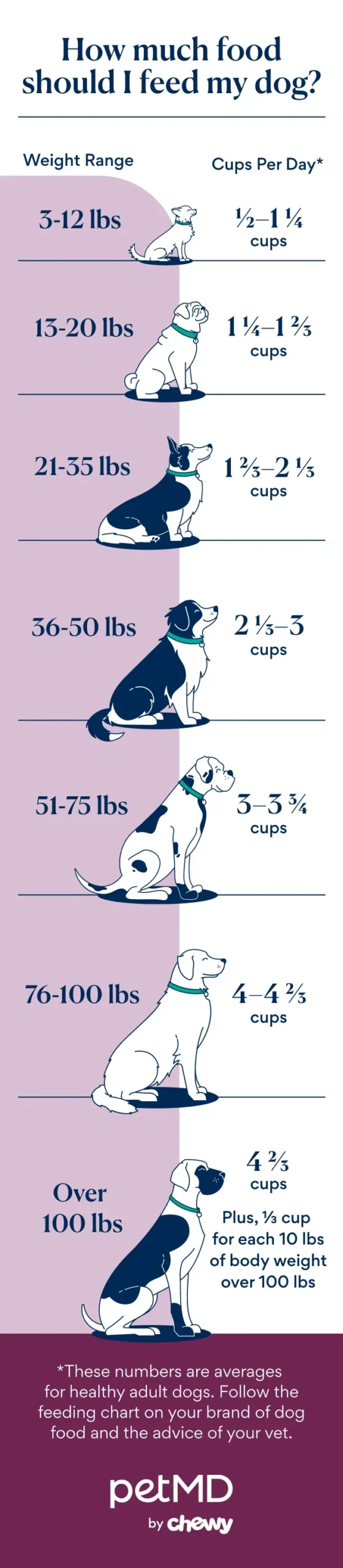
The single biggest reason trials fail, in our review of common case outcomes, is cross-contamination. A single bite of cheese or a heartworm chew with beef flavoring is enough to keep the immune system primed. Owners who treat the trial like a temporary inconvenience, rather than a controlled experiment, almost always need to restart.
Choosing the Right Diet: Hydrolyzed, Novel Protein, or Limited Ingredient
Once you've committed to a real trial, the next decision is which food to feed. Three categories dominate the conversation, and each works for a different starting point.
Hydrolyzed protein diets break proteins into fragments so small (typically under 10,000 daltons) that the immune system can't recognize them. They're the first choice for dogs who've eaten many protein sources already, because no ingredient is "novel" anymore. Veterinary dermatologists tend to default to hydrolyzed for this reason.
They're also prescription-only and tend to cost more.
Novel protein diets use a single protein your dog has never encountered, like rabbit, venison, or kangaroo, paired with one unusual carbohydrate such as green pea or sweet potato. They work well when you know your dog's history and can confirm the protein really is new. They're easier to find over the counter and slightly cheaper.
Limited ingredient diets (LID) aren't always true elimination diets. They restrict ingredients but may still contain common allergens. Read the label carefully and confirm the protein and carbohydrate count is truly one of each.
| Diet Type | Best For | Prescription Needed | Typical Monthly Cost |
|---|---|---|---|
| Hydrolyzed protein | Dogs with long, varied diets | Yes | $60 to $120 |
| Novel protein | Dogs with known dietary history | No | $50 to $90 |
| Limited ingredient | Mild suspected sensitivities | No | $45 to $80 |

If your vet isn't sure which to pick, hydrolyzed is the safer default because there's zero ambiguity about novelty.
The Transition Schedule: Mixing Old and New Food Safely
A standard veterinary transition takes 7 to 10 days. The reason is purely digestive. A sudden protein swap can cause loose stool or vomiting even in dogs without food allergies, which muddies your trial results.
A typical schedule looks like this:
- Days 1 to 3: 75% old food, 25% new food.
- Days 4 to 6: 50/50 split.
- Days 7 to 9: 25% old, 75% new.
- Day 10 and beyond: 100% new food.
If your dog has a sensitive stomach, stretch each phase by two or three days. The only reason to skip the transition is if your vet specifically orders an immediate switch for a severe reaction, which doesn't happen often.
Once the transition finishes, every single bite matters. A forgotten treat, a kid's dropped cracker, or a lick of someone's dinner plate resets the trial clock.
Hidden Sources of Cross-Contamination (Treats, Meds, Table Scraps)
This is the section most owners wish they'd read before starting. The immune system doesn't care about intent. It cares about exposure.
Even trace amounts of an allergen can keep symptoms alive.
Common culprits we've seen derail otherwise textbook trials:
- Flavored heartworm, flea, or tick preventatives (beef or chicken flavored).
- Dental chews, even ones marketed as "natural."
- Pill pockets used to hide medication.
- Peanut butter, cheese, or deli meat used as training treats.
- Shared water bowls with another dog eating a different diet.
- Kids' snacks dropped on the floor.
If your dog takes monthly preventatives, ask your vet about unflavored or alternative-protein options. The same goes for any oral medication that comes in a flavored base. A single flavored pill pocket with chicken can delay your answer by weeks.
Tracking Progress: What "Getting Better" Actually Looks Like
Improvement rarely shows up the way owners expect. The first signs are usually subtle. A small reduction in ear scratching.
Slightly softer stool. The dog sleeping through the night without waking to lick paws.
Around week 4 to 6, secondary signs often appear: coat starts looking glossier, ear infections happen less often, hot spots heal faster. By week 8, owners typically describe the change as "he's a different dog," or they admit they can't tell much difference at all.
A simple tracking system helps. Take the same photo of the ears, paws, and belly on the same day each week. Score itching from 1 to 10 if your vet uses a validated scale.
Log any treats, chews, or medications given. Patterns emerge fast when the data is consistent.
Mistakes That Wreck an Elimination Trial
After reviewing common trial failures in veterinary case reports, the same handful of mistakes show up over and over. If you can avoid these, your chances of a clear answer go way up.
- Stopping early because symptoms are "kind of better." Wait the full 8 to 12 weeks.
- Giving in to the begging eyes. One bite of cheese can keep the immune system primed.
- Treating secondary infections without telling your vet. Antibiotics and antifungals reduce inflammation, which can falsely look like a diet win.
- Changing foods mid-trial because of frustration. Stick with the chosen diet unless your vet says otherwise.
- Skipping flea control. Even one flea bite inflames the skin enough to ruin a trial. Use a vet-recommended preventative consistently.
If you catch yourself doing any of these, don't restart from zero unless your vet tells you to. Note the slip, tighten the rules, and keep going. A small bump in the road doesn't undo the whole experiment.
When the New Food Isn't the Problem: Ruling Out Other Causes
Sometimes the trial runs perfectly and the dog still itches. That's not failure. That's valuable information.
It tells you food probably isn't the main driver, which lets you and your vet pivot to the next likely cause.
If symptoms haven't improved by week 8 to 12, your vet will usually rule out:
- Secondary bacterial or yeast skin infections that need targeted medication.
- Environmental allergens (atopic dermatitis) requiring skin or blood testing.
- Flea allergy dermatitis, even if you've never seen a flea.
- Contact allergies to cleaning products, bedding, or yard treatments.
The American College of Veterinary Dermatology estimates that flea allergy dermatitis alone accounts for roughly 30% of allergic skin disease in dogs, which is why strict flea control is non-negotiable throughout the trial.
How Long Until You Can Challenge the Old Food to Confirm the Allergy
A trial that improves symptoms is only half the answer. To actually confirm which ingredient caused the problem, you have to reintroduce the old food and watch for a flare. This is called a dietary challenge, and it's where most owners stop too early.
The standard process is simple:
- Stay on the trial diet until symptoms fully resolve.
- Reintroduce the old food (or a single old ingredient) for 7 to 14 days.
- If itching returns within that window, you've found your trigger.
- If nothing changes, that ingredient is probably safe and you can test the next one.
Each individual ingredient takes 1 to 2 weeks to challenge. Be patient with this phase. It's how you turn a vague "food might be the issue" into a specific, lifelong management plan.
When to Call the Vet (Red Flags You Shouldn't Ignore)
A diet trial is a waiting game, but some signs mean stop waiting and call the clinic. These red flags suggest something more serious is happening beneath the surface:
- New or worsening vomiting or diarrhea lasting more than 48 hours.
- Open sores, oozing skin, or a sudden foul smell (often a sign of infection).
- Rapid swelling around the face or hives (possible acute allergic reaction).
- Loss of appetite or noticeable weight loss during the transition.
- Lethargy that doesn't match the usual low-energy days.
If any of these show up, don't tough it out. Secondary skin infections in particular are common during allergy flares and respond well to antibiotics or antifungals, but they need a prescription.
Cost, Commitment, and What to Expect Long-Term
A proper elimination trial isn't free, but it's usually far cheaper than years of guesswork. Prescription hydrolyzed diets run $60 to $120 per month depending on dog size. Over-the-counter novel protein diets are typically $50 to $90.
Add a couple of vet rechecks, and most owners spend $300 to $600 across the full 12 weeks.
Once a trigger is identified, long-term management is usually straightforward. Either you feed a custom diet that avoids the offending protein forever, or you use a maintenance hydrolyzed food. Many dogs who finish a successful trial end up needing fewer medications like Apoquel or Cytopoint, which offsets the food cost over time.
For AAFCO nutritional adequacy statements and formulation standards, the FDA Center for Veterinary Medicine regulates complete and balanced pet foods in the US. Check any trial diet for an AAFCO statement confirming it meets your dog's life stage needs.
FAQs on Switching Dog Food for Allergies
How long until my dog stops itching after switching food?
If it's a true food allergy, expect meaningful improvement between 6 and 12 weeks on a strict elimination diet. Partial improvement often shows up around week 4.
Can my dog have treats during the elimination trial?
Only single-ingredient treats made from the same novel protein and nothing else. Commercial chews, rawhides, and flavored medications usually contain hidden allergens.
What if my dog's symptoms get worse after the food switch?
Stop the new food and call your vet. A worsening reaction could mean an acute allergy to the new protein, or a secondary infection that needs treatment.
Is a blood or saliva allergy test accurate for dogs?
Most peer-reviewed studies show low reliability. Skin patch testing under veterinary supervision and a dietary elimination trial remain the diagnostic gold standard.
How do I know if it's a food allergy or environmental allergies?
Year-round itching with recurring ear infections leans toward food. Seasonal flare patterns (worse in spring or fall) lean toward environmental. Many dogs have both.
Can puppies do an elimination diet safely?
Yes, but only under veterinary supervision. Growing puppies have specific nutrient requirements, and an unbalanced homemade trial diet can cause deficiencies fast.