How much is an allergy test for a dog: Easy guide
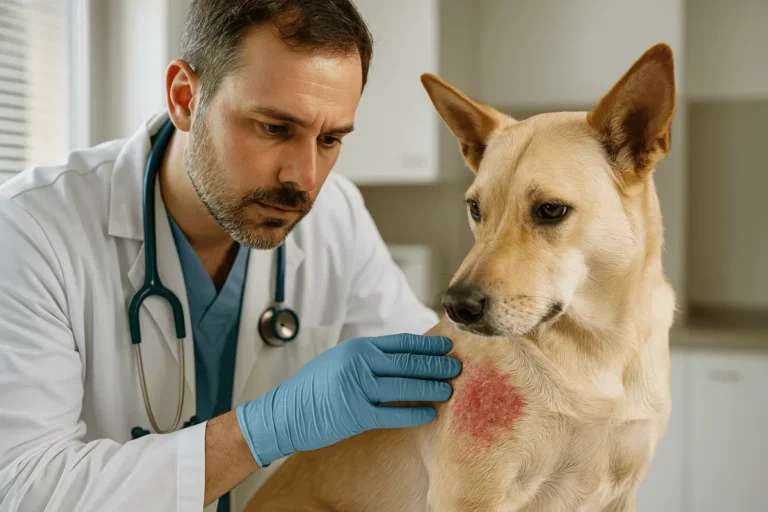
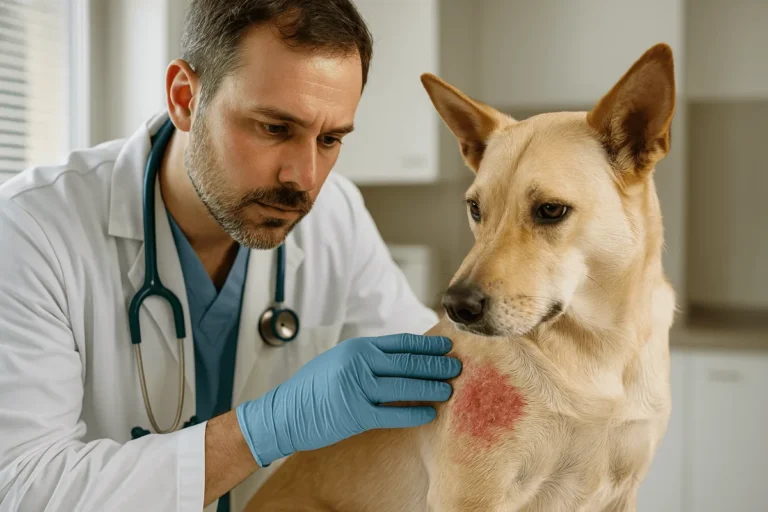
If your dog's been scratching nonstop, chewing their paws, or shaking their head like they've got a personal grudge against their own ears, you've probably typed "how much is an allergy test for a dog" while wiping your phone screen after yet another ear wipe-down. The short answer is that dog allergy testing typically runs between $200 and $600 as of 2026, depending on the method, the clinic, and whether a veterinary dermatologist is involved.
That range covers most of what owners actually pay, but the sticker price hides a few details that matter more than the number itself. There are three main testing methods, and they differ in accuracy, turnaround, and what your dog has to go through. The American College of Veterinary Dermatology lists intradermal skin testing as the gold standard for environmental allergens, which is why most dermatologists start there when the itch won't quit.
Quick Answer
Dog allergy tests cost $200 to $600 in most US clinics. Intradermal skin testing runs $250 to $600 with sedation. Serum IgE blood tests run $200 to $500. At-home kits run $80 to $200 with lower accuracy. A veterinary dermatologist adds $150 to $300 for the consult. Costs vary by region and clinic.
What a Dog Allergy Test Actually Costs (And What You're Really Paying For)
The price tag on dog allergy testing isn't just for the test itself. You're paying for a vet's time, lab analysis, and in many cases, sedation or specialist expertise. The base fee usually covers the procedure, but follow-up visits, immunotherapy, and repeat testing stack up fast.
Here's what typically drives the cost:
- Type of test. Skin testing is more expensive because it requires sedation and a specialist. Blood tests are cheaper but slightly less accurate for environmental allergens.
- Who runs it. A general practice vet can do blood draws in-house. A board-certified veterinary dermatologist charges more for the consult and the procedure.
- Panel size. Most clinics test 40 to 80 allergens. A larger regional panel costs more than a basic screening.
- Location. Urban clinics and specialty hospitals in high-cost areas charge more than rural general practices.
If your dog needs allergy shots (immunotherapy) afterward, budget another $600 to $1,500 per year for the serum and follow-ups. That's the long-term treatment plan the test sets up for most atopic dogs.
The Three Main Types of Dog Allergy Testing — And Why the Price Varies So Much
Not all allergy tests are created equal, and the price difference reflects real trade-offs in accuracy, invasiveness, and what each test can actually diagnose.
1. Intradermal Skin Testing (IDST)
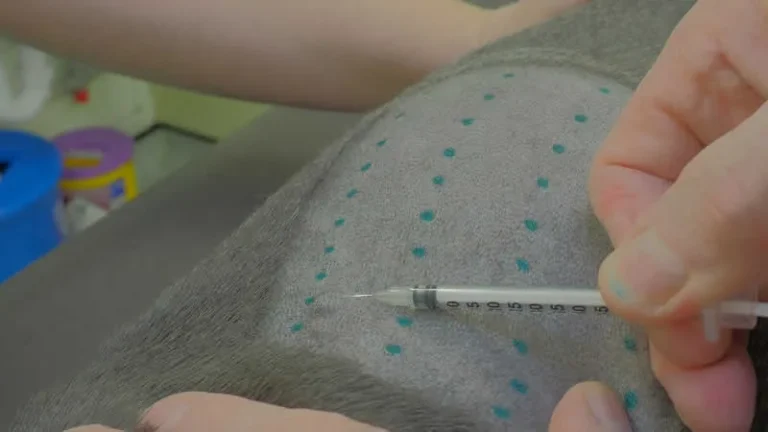
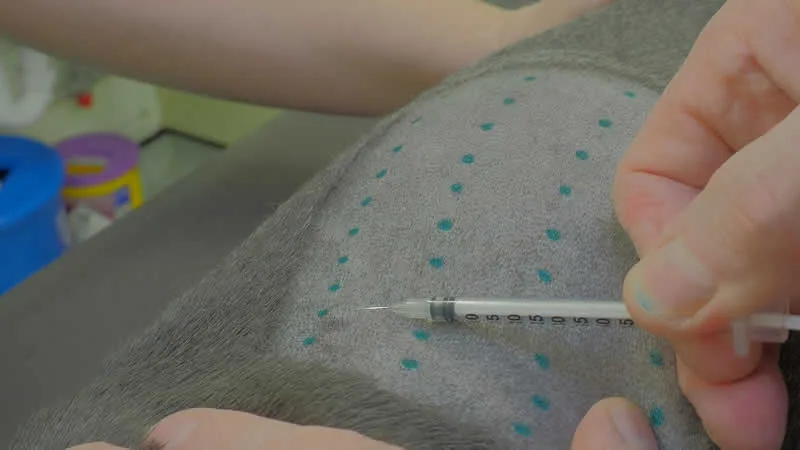
This is the method veterinary dermatologists consider the gold standard for environmental allergens like pollen, mold, and dust mites. A vet injects small amounts of allergens into shaved skin, then watches for reactions over 15 to 20 minutes.
Pros:
- High accuracy (75 to 85 percent for environmental allergens)
- Immediate results
- Covers a wide regional allergen panel
Cons:
- Requires sedation
- Your dog must stop antihistamines and steroids 7 to 14 days before
- Only available at specialty clinics or with trained vets
Best for: Dogs with year-round itching, recurrent ear infections, or suspected atopic dermatitis who haven't responded to basic treatment.
2. Serum IgE Blood Testing
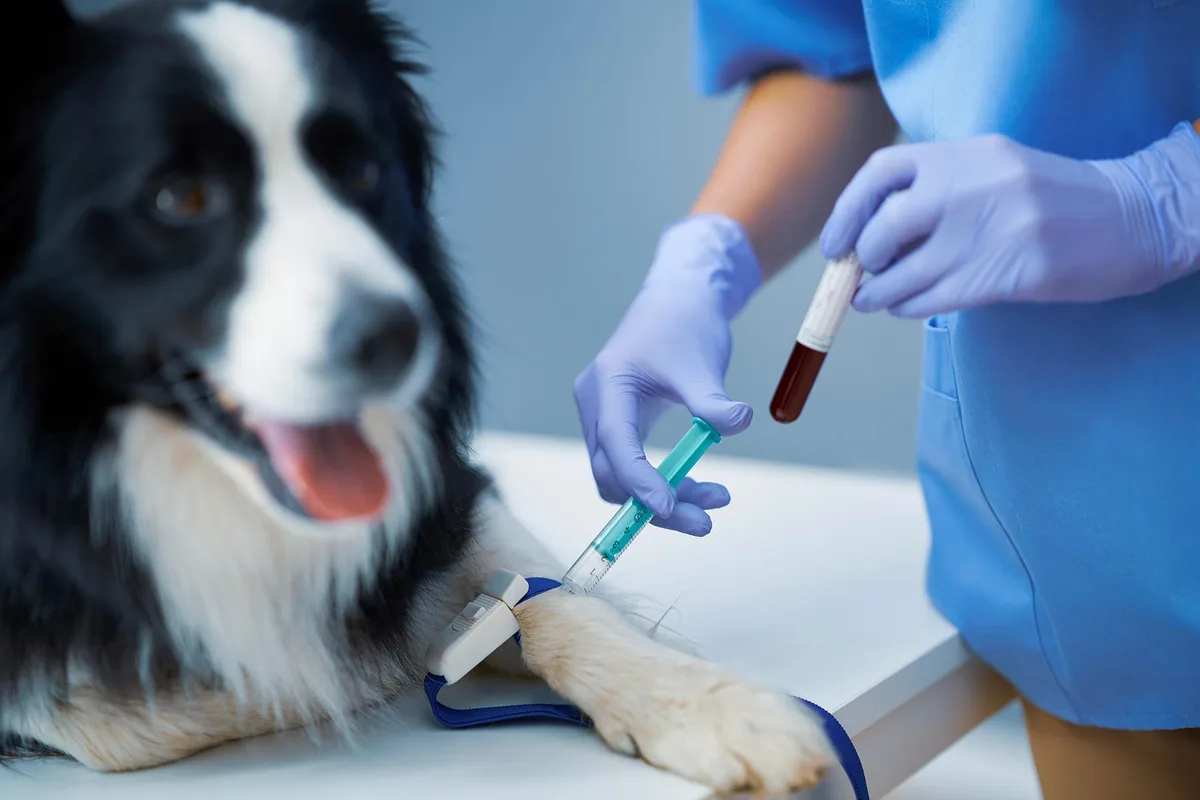
A blood draw measures antibodies (IgE) against common allergens. It's widely available, doesn't require sedation, and you don't have to withdraw medications as strictly.
Pros:
- No sedation needed
- Easier logistics
- Works for both environmental and some food allergens
Cons:
- Slightly lower accuracy (60 to 80 percent)
- Results take 1 to 2 weeks
- False positives are more common
Best for: Dogs who can't be sedated, live far from a specialist, or need a preliminary screen before pursuing skin testing.
3. At-Home Mail-In Kits
These saliva or hair tests promise answers without a vet visit. They're cheap and convenient, but the science behind most of them is shaky.
Pros:
- Low cost ($80 to $200)
- No clinic visit required
Cons:
- Unregulated by the FDA for diagnostic use
- High false positive rate
- Results often contradict clinical findings
Best for: Owners who want a rough idea before committing to real testing. Don't treat the results as a diagnosis.
Intradermal Skin Testing: The Gold Standard Most Owners Don't Know About
Most dog owners have never heard of intradermal skin testing because general practice vets rarely offer it. You usually need a referral to a veterinary dermatologist, and the appointment can take 1 to 2 hours from check-in to discharge.
Here's how it works:
- Pre-test prep. Your dog must stop oral antihistamines for about 7 days and steroids for 14 days before the test. Otherwise, results come back falsely negative.
- Sedation. A mild sedative keeps your dog still. Full anesthesia isn't needed.
- Shaving and injection. The vet shaves a patch on your dog's side and injects tiny amounts of 40 to 80 allergens just under the skin.
- Reading the results. After 15 to 20 minutes, the vet checks each injection site for swelling or redness. A positive reaction looks like a small hive.
- Custom immunotherapy. If allergens are identified, the lab mixes a custom serum for allergy shots or oral drops.
The accuracy is why dermatologists trust this method. According to research published in Veterinary Dermatology, intradermal testing consistently outperforms serum IgE testing for environmental allergens, especially in dogs with clear seasonal patterns.
The catch is access and cost. A specialist consult alone runs $150 to $300. Add the testing and sedation, and you're looking at $400 to $600 total before treatment planning.
That's why many owners start with blood testing at their regular vet and only escalate to skin testing if the blood results are inconclusive or treatment isn't working.
Serum IgE Blood Testing: Convenient, Common, but Not Always Accurate
If your regular vet offers allergy testing, it's almost certainly a serum IgE blood test. The process is straightforward: a blood draw, a lab submission, and results in 1 to 2 weeks. No sedation, no drug withdrawal, no specialist referral required.
But "easier" doesn't mean "better" in every case.
What Blood Tests Catch Well
Serum IgE testing works reasonably well for:
- Common environmental allergens (grass, tree pollen, mold)
- Flea allergy markers
- Some food allergens (though elimination diets remain the gold standard for food allergies)
Where Blood Tests Fall Short
The main problem is false positives. A dog can show elevated IgE antibodies to an allergen they've never been clinically exposed to, leading to unnecessary avoidance measures or immunotherapy that won't help.
Veterinary dermatologists often see cases where a blood test flagged 20 allergens, but skin testing narrowed it down to 5. The extra noise makes treatment planning harder and immunotherapy less targeted.
When Blood Testing Is the Right Call
Blood testing makes sense when:
- Your dog is too old or sick for sedation
- You live in a rural area with no dermatologist nearby
- You need a quick screen before starting symptomatic treatment
- Your dog is already on steroids and stopping them isn't safe right now
Cost Breakdown
A serum IgE panel typically runs $200 to $500. Some clinics bundle it with a consultation fee ($50 to $100), pushing the total to $300 to $600. The lab work itself is often outsourced to companies like IDEXX or Heska, which charge the vet $80 to $150 per panel.
The rest covers handling, interpretation, and follow-up.
As of 2026, most veterinary labs report turnaround times of 3 to 7 business days for standard panels, though rush processing is available for an extra fee.
If you're weighing which path to take, here's a quick side-by-side:
| Factor | Intradermal Skin Test | Serum IgE Blood Test |
|---|---|---|
| Accuracy (environmental) | 75 to 85 percent | 60 to 80 percent |
| Cost | $250 to $600 | $200 to $500 |
| Sedation required | Yes | No |
| Drug withdrawal | 7 to 14 days | Minimal |
| Results time | Same day | 1 to 2 weeks |
| Specialist needed | Usually | No |
| Best for | Atopic dermatitis confirmation | Initial screening, sedation risks |
The bottom line: blood testing is a solid starting point, but if your dog's symptoms are severe or unresponsive to treatment, skin testing gives you cleaner data to work with.
At-Home Dog Allergy Kits: Why the Low Price Is Usually a Red Flag
Walk into any pet store or scroll through Amazon, and you'll see allergy tests for dogs priced at $80 to $200. They promise results from a saliva swab or a few strands of hair. No vet visit, no blood draw, no waiting.
Here's the problem: most of these kits aren't validated for diagnostic use.
What At-Home Kits Actually Do
Most mail-in kits measure IgE or IgG antibodies in saliva or hair samples. Some claim to test for food sensitivities, others for environmental allergens. The marketing is slick, but the science is thin.
The FDA regulates veterinary diagnostics intended for treatment decisions, and most at-home kits fall into a gray area. They're sold as "wellness screens" rather than diagnostic tools, which lets them bypass stricter oversight.
Why Vets Don't Trust Them
Three main issues:
- No clinical correlation. A positive result on a saliva test doesn't mean your dog is actually allergic to that substance in real-world exposure.
- No standardization. Labs vary widely in what they measure and how they interpret results.
- False positives lead to bad decisions. Owners eliminate foods or invest in expensive hypoallergenic diets based on data that may be meaningless.
A 2019 review in Veterinary Dermatology noted that saliva-based allergy tests showed poor agreement with intradermal and serum IgE results, leading the authors to recommend against using them for clinical decision-making.
When They Might Be Useful
If you're curious and want a rough snapshot before committing to real testing, an at-home kit can satisfy that itch (pun intended). Just don't treat the results as a diagnosis or change your dog's diet without consulting your vet.
Cost vs Value
At $80 to $200, these kits cost less than a single vet visit. But if the results send you down the wrong path, like eliminating a food your dog isn't actually sensitive to, you'll spend more undoing the mistake than you saved upfront.
What Vets Charge in 2025 — Real Cost Ranges for Allergy Testing
Pricing varies by region, clinic type, and whether you're seeing a general practitioner or a specialist. Here's what owners are actually paying as of 2026, based on national averages and regional variation.
National Averages
| Test Type | Low End | High End | Typical Range |
|---|---|---|---|
| Serum IgE blood test | $200 | $500 | $250 to $400 |
| Intradermal skin test | $250 | $600 | $400 to $550 |
| Specialist consult | $150 | $300 | $175 to $250 |
| At-home kit | $80 | $200 | $100 to $150 |
These figures reflect what most clinics charge before insurance reimbursement. Urban specialty hospitals in cities like New York, Los Angeles, or San Francisco trend toward the high end. Rural general practices often sit at the low end or slightly below.
Regional Variations
- Northeast and West Coast. Higher costs, often $400 to $700 for a full workup including consult.
- Midwest and South. More moderate pricing, typically $250 to $500 total.
- Rural areas. Limited specialist access means most testing happens at general practices, with prices 10 to 20 percent below urban averages.
What's Usually Included
When a vet quotes you a price, ask what it covers. Some clinics bundle the test, interpretation, and a follow-up appointment. Others bill each component separately.
A typical breakdown might look like:
- Office visit or consult: $50 to $150
- Blood draw or sedation: $40 to $100
- Lab fees: $80 to $200
- Interpretation and treatment plan: $50 to $150
What's Not Included
Be aware of these add-ons:
- Repeat testing if initial results are inconclusive
- Elimination diet trials for food allergies ($200 to $500 for prescription diets)
- Immunotherapy serum ($200 to $400 per vial, lasting 6 to 12 months)
- Follow-up appointments ($50 to $100 each)
The Hidden Costs Owners Forget About (Sedation, Consults, Retests)
The test fee is just the starting line. Several side costs catch owners off guard, especially if the first round of testing doesn't give clear answers.
Sedation Fees
Intradermal skin testing requires mild sedation to keep your dog still. That adds $40 to $100 to the bill. If your dog needs pre-anesthesia bloodwork (common for older dogs or those with health issues), tack on another $80 to $200.
Specialist Referral Costs
If your regular vet refers you to a veterinary dermatologist, you'll pay for the specialist consult ($150 to $300) on top of the testing fee. Some specialists bundle the consult and testing into a single package. Others bill separately.
Repeat Testing
Blood tests sometimes come back inconclusive, especially if your dog was on medication that suppressed results. A retest 2 to 3 months later can run another $200 to $500.
Treatment Planning Time
After results come in, your vet or specialist needs time to interpret them and design a treatment plan. That consultation ($50 to $150) usually isn't included in the test price.
Does Pet Insurance Cover Dog Allergy Testing?
Coverage depends on your insurer, your plan, and whether the allergy is considered pre-existing.
What Most Plans Cover
Accident-and-illness plans typically reimburse allergy testing if the condition was diagnosed after your policy's waiting period (usually 14 to 30 days). Reimbursement rates range from 50 to 90 percent after you meet your deductible.
What's Often Excluded
- Pre-existing conditions. If your dog showed allergy symptoms before enrollment, testing is usually excluded.
- Wellness plans. Basic wellness add-ons don't cover diagnostics.
- At-home kits. Most insurers won't reimburse mail-in tests.
How to Maximize Coverage
Submit itemized invoices with diagnostic codes (your vet provides these). Pay upfront, then file for reimbursement. Some insurers pay within 5 to 14 days.
Others take longer.
Typical Reimbursement Example
| Item | Cost | Reimbursement (80% after $250 deductible) |
|---|---|---|
| Blood test | $350 | $80 |
| Specialist consult | $200 | $0 (under deductible) |
| Sedation | $75 | $0 (under deductible) |
You'd pay $545 out of pocket in this scenario, with insurance covering $80. Plans with lower deductibles or higher reimbursement rates change the math significantly.
When Your Dog Actually Needs an Allergy Test (And When It Doesn't)
Not every itchy dog needs allergy testing. Some cases clear up with basic treatment, and testing wouldn't change the outcome.
Clear Signs Your Dog Needs Testing
- Year-round scratching that doesn't respond to flea control
- Recurring ear infections (3 or more per year)
- Hot spots that keep coming back
- Paw licking and face rubbing that disrupt sleep
- Suspected seasonal patterns (worse in spring or fall)
When You Can Skip Testing
- Mild, occasional itching that resolves with flea prevention
- Sudden skin issues clearly linked to a dietary change
- Symptom-free dogs with no clinical signs
- Dogs whose symptoms are managed effectively with antihistamines or Apoquel
The Rule of Thumb
If your dog's symptoms are frequent, severe, or unresponsive to first-line treatment, testing pays for itself by identifying triggers you can avoid or treat with immunotherapy. If symptoms are mild or easily controlled, the $200 to $600 might be better spent on ongoing management.
How to Prepare Your Dog for an Accurate Allergy Test
Bad prep leads to bad results. Here's how to set your dog up for a clean test.
Medication Withdrawal
Most vets ask you to stop:
- Antihistamines (Benadryl, Zyrtec, Claritin): 7 days before testing
- Oral steroids (prednisone): 14 days before testing
- Topical steroids: 3 to 7 days before testing
- Ciclosporin (Atopica): 14 to 21 days before testing
Stopping these too early can cause a flare, so talk to your vet about bridging strategies if withdrawal is risky.
Bathing and Grooming
Bathe your dog 2 to 3 days before the test. Residue from shampoos, topical medications, or dirt can interfere with skin test readings.
Fasting
Most clinics require fasting for blood draws (8 to 12 hours). For skin tests under sedation, follow your vet's specific instructions.
Record Keeping
Bring a symptom diary. Note when itching started, how often it happens, seasonal patterns, and food changes. This context helps your vet interpret results correctly.
Mistakes That Lead to Wrong Results and Wasted Money
Even with good testing, errors happen. These are the most common pitfalls.
Testing Too Early
If your dog has been symptomatic for less than 2 to 3 months, results may not be reliable. IgE levels take time to rise, and false negatives are common in early-stage allergies.
Not Ruling Out Other Causes First
Fleas, bacterial infections, mange, and food intolerances can mimic allergies. If your vet skips a basic workup (skin scrape, cytology, flea comb test), allergy testing may misidentify the real problem.
Trusting At-Home Kits Over Clinical Judgment
A saliva test flagging 15 "allergies" doesn't mean your dog reacts to all 15 in real life. Treat results as one data point, not a diagnosis.
Stopping Medications Without a Plan
Withdrawing steroids too fast can trigger a severe flare. Always taper under veterinary guidance.
Skipping Follow-Up
A test is only useful if it leads to action. If you get results and never implement immunotherapy, dietary changes, or environmental controls, you wasted $300 to $600.
Skin Test vs Blood Test: Which One Is Right for Your Dog?
The choice depends on your dog's health, your budget, and how definitive you need the results to be. Skin testing wins for accuracy in environmental allergies. Blood testing wins for convenience and safety in dogs who can't be sedated.
| Scenario | Better Choice |
|---|---|
| Young, healthy dog with clear seasonal itching | Intradermal skin test |
| Senior dog with heart issues | Serum IgE blood test |
| Rural area, no specialist nearby | Serum IgE blood test |
| Failed first-line treatment | Intradermal skin test |
| Suspected food allergy | Elimination diet trial |
What Happens After the Test — Immunotherapy, Diet Trials, and Long-Term Costs
If environmental allergens are identified, your vet will likely recommend allergen-specific immunotherapy (ASIT). Custom allergy shots or oral drops gradually desensitize your dog. Expect $600 to $1,500 per year for the serum and rechecks.
For food allergies, an 8 to 12 week elimination diet trial ($200 to $500) is the diagnostic gold standard.
Choosing Between a General Vet and a Veterinary Dermatologist
General vets handle initial workups and blood testing well. For complex cases or unclear results, a board-certified veterinary dermatologist brings specialized training. Expect a $150 to $300 consult fee, but their expertise often shortens the path to effective treatment.
Frequently Asked Questions
How accurate are dog allergy tests?
Intradermal skin testing is 75 to 85 percent accurate for environmental allergens. Serum IgE blood tests run 60 to 80 percent. Neither is perfect, and both work best when combined with a clinical exam and symptom history.
Can I test my dog for allergies at home?
Mail-in saliva or hair kits exist, but most aren't validated for diagnosis. They're cheap and convenient, yet results often contradict what a vet finds in clinical testing. Use them as a rough guide, not a diagnosis.
How long does allergy testing take?
Skin tests give same-day results in about 20 minutes after injection. Blood tests take 1 to 2 weeks for lab processing. Adding consult and prep time, plan for a 1 to 3 hour clinic visit either way.
Will insurance cover allergy testing?
Most accident-and-illness plans reimburse 50 to 90 percent after the deductible. Pre-existing conditions are typically excluded, so enroll early if your dog is already symptomatic.
What's the cheapest way to test a dog for allergies?
A serum IgE blood test at a general practice vet is the most affordable route, typically $200 to $500. At-home kits cost less but offer lower reliability.
What to Do Next If You Suspect Your Dog Has Allergies
Start with a vet visit to rule out fleas, infections, or food issues. If symptoms persist, ask about serum IgE blood testing as a first screen. If results are unclear or treatment fails, request a referral to a veterinary dermatologist for intradermal skin testing.
Budget $300 to $700 for diagnostics and another $600 to $1,500 per year for ongoing management like immunotherapy or prescription diets.