How much is a dog allergy test: Easy guide
How much is a dog allergy test? Most dog owners pay somewhere between $200 and $500 for a vet-administered blood or skin test, while at-home mail-in kits run $80 to $200. Vet intradermal skin testing sits at the top of the range, often $300 to $600 when bundled with a dermatology consult.
As of 2026, those ranges have held steady across the US, though metro-area specialty clinics tend to charge 20% to 40% more than general practice.
The wide spread comes down to one thing: not all allergy tests are created equal. Blood tests and intradermal skin tests have real peer-reviewed evidence behind them, while many saliva and hair-based kits sold online don't. We'll walk through every option, what it actually costs, and which ones a veterinary dermatologist would actually trust.
Quick Answer
A dog allergy test costs $80 to $600 in 2026. Vet blood tests run $200 to $400. Intradermal skin tests run $300 to $600.
Mail-in kits cost $80 to $200. Vet-administered tests are more accurate and clinically useful.
Why Dog Allergy Testing Costs Vary So Much

The price gap isn't random. It reflects three real variables: who runs the test, what the lab measures, and whether the results are actually usable for treatment.
A vet-conducted serum IgE blood test, where a small blood sample is screened for allergen-specific antibodies, is more expensive than a mail-in saliva kit because a licensed veterinarian interprets the results and ties them to your dog's actual symptoms. A $99 hair analysis kit doesn't include that step, and per AVMA guidance on evidence-based diagnostics, results without veterinary context are often meaningless or misleading.
Geography matters too. Specialty dermatology clinics in cities like New York, LA, or San Francisco typically charge more than rural general practices. Bundling also plays a role.
Many clinics package the test with the consult, the blood draw, and a follow-up appointment, so what looks like a $450 "test" is really a diagnostic workup.
The other big cost driver is whether the test leads somewhere. If the result is used to formulate custom immunotherapy drops or shots, you're looking at an additional $300 to $1,000 per year. That's a legitimate long-term treatment path, not an upsell, and it's one reason some owners choose pricier testing up front.
The 4 Main Types of Dog Allergy Tests (and What They Actually Do)
There are four common ways veterinarians and pet owners try to identify canine allergies. They are not equal in accuracy or clinical usefulness.
Blood (Serum IgE) Tests
A vet draws blood and sends it to a lab that screens for IgE antibodies against common allergens like pollen, dust mites, mold, and flea saliva. Results usually come back in 3 to 10 business days.
This is the most common option at general practice clinics. It's relatively quick, doesn't require sedation, and works for dogs who can't safely be sedated for skin testing. Blood tests are generally reliable for environmental allergens, per peer-reviewed research, but they can produce false positives, especially for food.
Intradermal Skin Tests
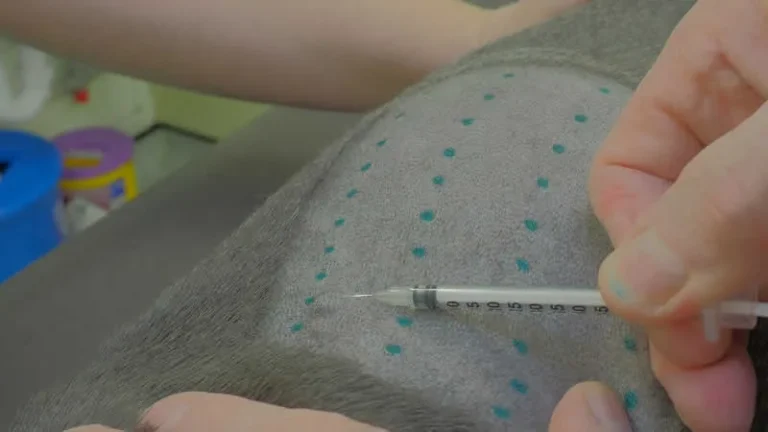
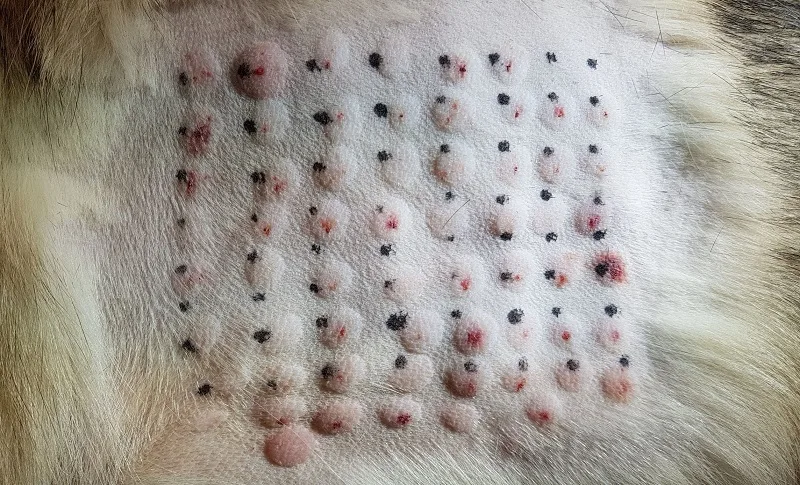
This is the gold standard for environmental allergies, and it's typically performed by a veterinary dermatologist. The dog is sedated, a patch of fur is shaved, and small amounts of allergens are injected just under the skin. Swelling at an injection site indicates a reaction.
It's more involved than a blood draw, which is why it costs more. The upside is accuracy: intradermal testing is the method used to formulate custom immunotherapy, the allergen shots or drops that can actually desensitize a dog over time.
Saliva and Hair-Based Kits
These are the mail-in kits you see heavily marketed online. You swab your dog's saliva or pull a few hairs, mail it to a lab, and get a list of "sensitivities" back in 2 to 4 weeks.
They are also the most controversial. The American College of Veterinary Dermatology has stated that saliva and hair tests lack validation for diagnosing allergies in dogs. They often produce long lists of "reactions" that don't match the dog's actual symptoms, leading owners to make unnecessary diet changes or buy supplements that don't help.
Elimination Diet Trials (The Gold Standard for Food Allergies)
Blood and skin tests are not reliable for diagnosing food allergies. The accepted method is an 8 to 12 week elimination diet, where the dog eats a novel protein or hydrolyzed protein diet, then individual ingredients are reintroduced one at a time to see which triggers symptoms.
It costs $100 to $300 in specialty food over the trial period, and it requires strict discipline (no treats, no table scraps, no flavored meds). It's slower than a blood test, but it's the only method peer-reviewed research consistently supports for food allergies.
How Much Each Dog Allergy Test Costs
Here's a side-by-side look at what each test type actually runs in 2026.
| Test Type | Typical Cost | Turnaround | Best For |
|---|---|---|---|
| Vet blood (serum IgE) | $200 to $400 | 3 to 10 days | Environmental allergies |
| Intradermal skin test | $300 to $600 | Same day | Immunotherapy planning |
| At-home mail-in kit | $80 to $200 | 2 to 4 weeks | Screening, not diagnosis |
| Elimination diet trial | $100 to $300 | 8 to 12 weeks | Food allergies |
Vet-Administered Blood Test Pricing
At a general practice, expect to pay $200 to $400 for a comprehensive environmental panel, often 40 to 80+ allergens. Specialty clinics charge more. The price usually includes the vet visit, blood draw, lab fee, and a follow-up consultation to go over results.
Intradermal Skin Test Pricing
Because intradermal testing requires sedation, shaved skin, and a dermatology specialist, pricing runs $300 to $600+. Many clinics bundle the test with a full dermatology workup, so the line item on your invoice may just say "allergy testing" without breaking out the test itself.
At-Home Mail-In Kit Pricing
Mail-in kits are cheaper because they skip the vet entirely. Prices range from $80 for basic food sensitivity panels to $200 for broader environmental and food combinations. The catch: there's no veterinary interpretation, and per AVMA guidance, the results shouldn't be used to make treatment decisions without professional follow-up.
Elimination Diet Trial Cost
The biggest cost here is the prescription or novel-protein food, which can run $50 to $100 per month for medium to large dogs. Over an 8 to 12 week trial, you're looking at $100 to $300 in food costs alone, not counting the discipline of keeping your dog on a strict diet.
Dog Allergy Test Accuracy: Which Ones Actually Work?
Accuracy is where the real differences show up, and it's why "cheaper" often ends up costing more in the long run.
Why Saliva and Hair Tests Are Questionable
The science behind saliva and hair-based allergy tests for dogs is thin. Peer-reviewed studies, including work cited by veterinary research institutions, have found that these tests produce inconsistent results that don't correlate well with clinical symptoms. They may detect exposure, but exposure isn't the same as allergy.
In our research, the most common complaint from owners who used these kits wasn't that they missed an allergy. It was that the test flagged so many "reactions" that they had no idea what to actually change. A dog might come back sensitive to chicken, beef, lamb, salmon, dust mites, three types of grass, and two kinds of mold, leaving the owner paralyzed with information and no clear plan.
The IgE vs IgG Confusion
Many direct-to-consumer kits measure IgG antibodies, not IgE. This is a significant difference. IgE antibodies are associated with true allergic reactions.
IgG antibodies generally reflect exposure to a substance, meaning your dog has eaten it or come into contact with it, not that it's causing a problem.
A test that reports dozens of "IgG sensitivities" is often just telling you what your dog has been eating. That's not useful for diagnosis, and basing diet changes on IgG results can lead to unnecessary food restrictions that put dogs at risk for nutritional gaps.
What Peer-Reviewed Research Actually Says
The current evidence, as of 2026, supports serum IgE blood tests and intradermal skin tests for environmental allergies, and elimination diets for food allergies. Both AVMA guidance and the American College of Veterinary Dermatology point to these as the clinically validated methods. Anything else should be treated as a screening tool at best, and never as a substitute for veterinary diagnosis.
When a Dog Allergy Test Is Worth It (and When It's a Waste of Money)
Testing makes sense when symptoms are chronic, unexplained, and interfering with your dog's quality of life. If your dog is scratching year-round, getting recurrent ear infections, or developing hot spots, a proper test can point you toward the right treatment.
It's not worth it as a first step for mild, occasional itching. In those cases, flea control, a diet review, and a basic vet exam often solve the problem without testing.
Skip the Test If…
- Your dog has clear seasonal symptoms (likely environmental atopy, treat symptomatically)
- Flea allergy dermatitis hasn't been ruled out
- Symptoms just started and could be infection or parasites
- You're not prepared to act on the results
Get the Test If…
- Symptoms have lasted 3+ months with no clear cause
- Your dog isn't responding to standard treatments (antihistamines, Apoquel, Cytopoint)
- You're considering long-term immunotherapy
- Multiple dogs in the household are showing similar symptoms
How the Testing Process Works Step by Step
Before the Test: Ruling Out Other Causes
A good vet won't jump straight to allergy testing. They'll first rule out fleas, mites, bacterial skin infections, and yeast overgrowth. These conditions mimic allergies but require different treatments.
Antihistamines, steroids, and Apoquel are typically stopped 2 to 4 weeks before testing, because they suppress the immune response and can produce false negatives.
During the Test: What to Expect at the Vet
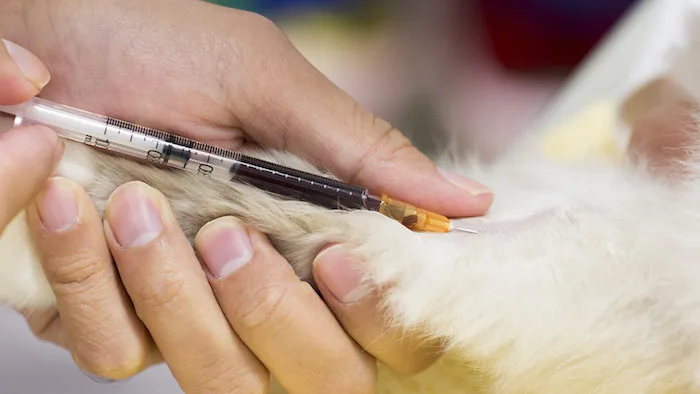
For a blood test, a vet tech draws blood from your dog's jugular or leg vein. It takes a few minutes and doesn't require sedation.
For intradermal skin testing, your dog is sedated, a patch on the side is shaved, and allergens are injected in a grid pattern. The vet reads the reaction sites after 15 to 20 minutes. Plan for a half-day appointment.
After the Test: Interpreting Results and Next Steps
Results come back as a list of allergens grouped by severity. A vet dermatologist will correlate these with your dog's symptom history and seasonality before recommending a plan.
If immunotherapy is recommended, a custom serum or oral drop is formulated based on the test results. Most dogs see improvement within 3 to 6 months, though full desensitization can take up to a year.
What Comes After Testing: Immunotherapy and Long-Term Management
Testing is the start, not the end. The real value of identifying specific allergens is that you can either avoid them or treat the dog with immunotherapy, a custom blend of allergens given as injections or oral drops to gradually desensitize the immune system.
Immunotherapy costs $300 to $1,000 per year after the initial test, depending on formulation and dosage. It's a long-term commitment, but for dogs with severe environmental allergies, it's often the only treatment that addresses the root cause rather than masking symptoms.
For food allergies, long-term management means sticking with a limited-ingredient or hydrolyzed protein diet. Some dogs tolerate rotational feeding once triggers are identified. Others need a permanent diet change.
Environmental control also helps. HEPA filters, regular bathing to remove pollen, and limiting outdoor time during high-pollen days can reduce flare-ups and lower medication needs.
Common Mistakes Dog Owners Make with Allergy Testing
Skipping the vet and trusting a mail-in kit alone. The kit may flag 30 "sensitivities" and leave you with no plan. Without veterinary interpretation, results are just data, not diagnosis.
Testing during symptom flare-ups without stopping meds first. Antihistamines and Apoquel can suppress the immune response, leading to false negatives and a wasted test.
Confusing IgG with IgE. If your test reports IgG "sensitivities," you're looking at a list of foods your dog has been exposed to, not a list of allergens. IgG results are not diagnostically useful for true food allergies.
Stopping the elimination diet too early. Symptoms can take 8 to 12 weeks to resolve on a new diet. Quitting at week 4 because "it's not working" is one of the most common elimination diet mistakes.
Assuming a negative food allergy test means food isn't the problem. Most blood tests are unreliable for food allergies. A negative result doesn't rule out food as a trigger. Only a proper elimination diet can do that.
Not treating fleas before testing. Flea allergy dermatitis is the most common allergy in dogs. If fleas aren't controlled, every other test result is suspect.
Safety Considerations and When to See a Veterinary Dermatologist
For most dogs, allergy testing is low risk. Blood tests are routine. Intradermal skin testing carries a small risk of anaphylaxis, which is why it's done under sedation with veterinary supervision.
See a board-certified veterinary dermatologist if:
- Your general practice vet has run tests without clear answers
- Symptoms are severe or getting worse despite treatment
- You're considering immunotherapy and want accurate intradermal testing
- Your dog has both food and environmental allergies that are hard to separate
The American College of Veterinary Dermatology maintains a directory of board-certified specialists by state. A specialist visit typically runs $200 to $400 for the initial consult, on top of any testing.
If your dog develops facial swelling, hives, or difficulty breathing after a test, that's an emergency. Call your vet or an emergency clinic immediately.
Dog Allergy Test Cost by Region and Setting
Prices vary significantly by location and clinic type. Here's what the data shows as of 2026.
| Setting | Blood Test | Intradermal Skin Test |
|---|---|---|
| General practice, rural | $200 to $300 | Rarely offered |
| General practice, suburban | $250 to $400 | $300 to $500 |
| Specialist, metro area | $350 to $500 | $400 to $600+ |
Urban specialty clinics on the coasts charge the most. Rural general practices are the most affordable option for basic blood testing. If cost is the main concern, a general practice vet can order a reliable serum IgE panel without the specialist markup.
Mail-in kits are priced the same nationwide, since pricing is set by the lab. But shipping and lab fees can add $20 to $40 to the base price.
In the UK, vet allergy testing typically runs £150 to £400 for blood panels, with specialist dermatology consults at the higher end. Australian pricing tracks closely to US ranges, though availability of veterinary dermatologists is more limited outside major cities.
How Pet Insurance Handles Allergy Testing
Coverage varies widely by provider and plan. Most accident-and-illness plans cover allergy testing if it's prescribed by a vet and tied to a diagnosed condition, but many exclude "pre-existing" allergies.
Wellness plans and basic accident-only plans typically don't cover allergy testing at all. If your dog was diagnosed with allergies before your policy's effective date, the testing and any related treatment will be excluded.
Some providers cover allergy testing in their published policy terms, but always check your specific plan's fine print. Many insurers require pre-authorization for intradermal skin testing, and most won't reimburse mail-in kit costs since there's no vet involvement.
If you don't have insurance, ask your vet about payment plans. Many clinics partner with CareCredit or Scratchpay, which let you spread the cost over 6 to 24 months at low or zero interest.
Frequently Asked Questions
How much is a dog allergy test at the vet?
A vet-administered blood test typically costs $200 to $400. Intradermal skin testing at a specialist runs $300 to $600. Both usually include the consultation, the test, and a follow-up review.
Are at-home dog allergy test kits accurate?
Most saliva and hair-based kits lack peer-reviewed validation. They may detect exposure but not true allergy. Aggregate reviews report inconsistent results that don't reliably match clinical symptoms.
They're best treated as screening tools, not diagnostic tools.
Does pet insurance cover dog allergy testing?
Many accident-and-illness plans cover allergy testing when prescribed by a vet. Most exclude pre-existing conditions and wellness plans. Always confirm with your provider before testing.
How long does a dog allergy test take?
Blood tests take a few minutes to draw, with results in 3 to 10 days. Intradermal skin tests take 1 to 2 hours including sedation and reading. Mail-in kits take 2 to 4 weeks from mailing to results.
Can a dog allergy test identify food allergies?
Blood tests are not reliable for food allergies. The gold standard is an 8 to 12 week elimination diet trial. If a test claims to diagnose food allergies via saliva, hair, or IgG, treat the results with skepticism.
Is immunotherapy worth the cost after allergy testing?
For dogs with severe environmental allergies, immunotherapy is the only treatment that addresses the underlying immune response. It costs $300 to $1,000 per year but can reduce or eliminate the need for daily medications like Apoquel or Cytopoint.
Final Verdict: What's the Smartest Way to Spend Your Money?
Start with a vet exam to rule out fleas, mites, and infection. If symptoms persist, a serum IgE blood test at your general practice is the best first step. Save the intradermal skin test and specialist visit for when you need immunotherapy or a second opinion.
Skip the mail-in kits unless you just want a rough screening. And if food is on your radar, commit to a proper elimination diet. It's the only method that actually works.