How much is dog allergy testing: Easy guide
If your dog won't stop scratching, you've probably already typed "how much is dog allergy testing" into Google and got a wall of confusing price ranges. You're not alone. The short answer: most owners pay somewhere between $150 and $400, but the type of test, your vet, and even your region can swing that number by hundreds either way.
Not every test is worth paying for, though. Some are considered reliable by board-certified veterinary dermatologists, while others are widely viewed as a waste of money. Aggregate veterinary guidance, including the American College of Veterinary Dermatology, draws a clear line between diagnostic tests that actually identify triggers and at-home kits that mostly produce noise.
As of 2026, the most common out-of-pocket cost for a vet-administered panel still lands in that $150 to $400 band, with custom allergy serum pushing total first-year spending past $700 once you factor in immunotherapy. Let's break down what you're actually paying for, and which tests are worth the money.
Quick Answer
Most dog allergy testing costs between $150 and $400 per panel. Intradermal skin testing usually runs $200 to $400. Serum IgE blood tests typically cost $150 to $350.
At-home saliva or hair kits cost $80 to $200 but are not considered diagnostically reliable. Pet insurance rarely covers any of it.
What Dog Allergy Testing Actually Costs (And What You're Really Paying For)
You've got a few different paychecks hiding inside any "allergy test" quote, so let's untangle them. The first is the actual test itself: a blood draw or a skin injection series to figure out what your dog reacts to. The second is the vet's interpretation, which is where a general practice vet and a board-certified veterinary dermatologist differ wildly in price.
The third, and easiest to forget, is the workup that has to happen first.
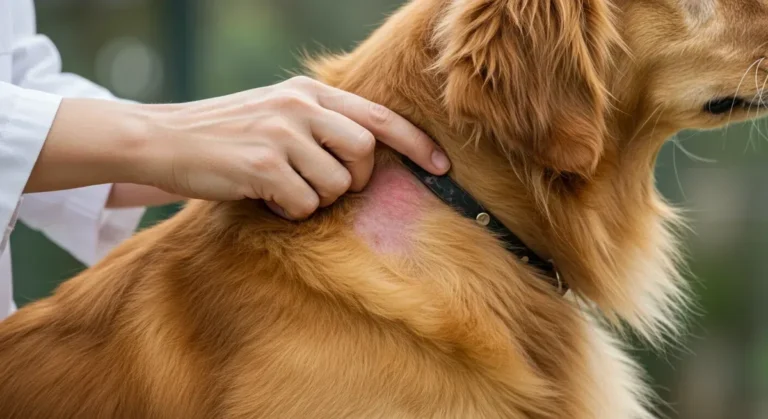
Before any allergy test is meaningful, your vet needs to rule out other causes of itching. That usually means cytology to check for secondary bacterial or yeast infections, a skin scrape to rule out mites, and confirmation that fleas aren't the culprit. Skip that step, and you're testing a dog whose symptoms might have nothing to do with allergies at all.
Then there's the washout period. Most dogs need to be off steroids, Apoquel, and certain antihistamines for 2 to 4 weeks before skin or blood testing returns reliable results. That's two to four weeks of an itchy, uncomfortable dog while you wait.
Finally, you may also pay for the visit itself. A general practice consultation runs $50 to $100. A veterinary dermatologist consult runs $150 to $300 before any test is even performed.
The American Veterinary Medical Association's guidance on the veterinarian-client-patient relationship underscores that allergy testing is a medical act, not a retail purchase.
| Cost Component | Typical Range (2026) |
|---|---|
| Initial vet exam | $50 to $100 |
| Cytology and skin scrape | $40 to $80 |
| Specialist consultation | $150 to $300 |
| Intradermal skin test | $200 to $400 |
| Serum IgE blood test | $150 to $350 |
| At-home saliva/hair kit | $80 to $200 |
| Elimination diet (food only) | $50 to $200 over 8 to 12 weeks |
| Custom allergy serum (year one) | $300 to $500 |
If you walk out the door after a single test, you're in the $300 to $500 range. If you go the full immunotherapy route, plan on $700 to $1,200 in the first year when you add the serum, the induction shots, and the rechecks.
How Dog Allergy Testing Works (The Short Version)
Allergies in dogs show up in three main buckets: fleas, food, and environmental triggers like pollen, dust mites, or mold. Most chronic scratching dogs are reacting to environmental allergens, technically called atopic dermatitis. Per current peer-reviewed research published in Veterinary Dermatology, atopic dermatitis affects roughly 10 to 15 percent of the canine population, making it one of the most common chronic conditions vets manage.
The job of an allergy test is to identify which specific allergens your dog reacts to, so treatment can be targeted instead of generic. Targeted treatment usually means either avoidance (hard with pollen), immunotherapy (shots or drops that desensitize the immune system over months), or both. Without a test, your vet is guessing.
Two things to keep in mind before you go in. First, allergy tests don't diagnose "allergies" in general. They tell you which specific substances your dog's immune system is overreacting to.
Second, no allergy test is perfect. Both false positives and false negatives are common, which is why a good vet interprets results alongside the dog's history and symptoms, not in isolation.
There is one major exception: food allergies. Blood, skin, and saliva tests for food allergies are considered unreliable across the board by board-certified dermatologists. The only accepted diagnostic method is an elimination diet trial, covered in detail below.
The 4 Main Types of Dog Allergy Tests
Walk into any vet clinic, search "dog allergy test" on Amazon, or talk to your breeder, and you'll find four main test categories floating around. They are not created equal.
Intradermal Skin Testing (IDT)
This is the gold standard for environmental allergies, the one veterinary dermatologists reach for when results actually matter. A patch of your dog's belly is shaved, and tiny amounts of common allergens are injected just under the skin. If your dog is allergic, a wheal (small raised bump) forms at that site within 15 to 20 minutes.
The catch: it requires sedation, a specialist's hands, and a 3 to 4 week steroid washout. Cost runs $200 to $400 in most US markets, sometimes higher at university teaching hospitals.
Serum IgE Blood Testing
A regular blood draw, sent to a lab that measures IgE antibodies against common allergens. Easier logistically than skin testing because sedation isn't required, and the washout period is shorter. Cost is usually $150 to $350.
The catch: slightly less sensitive than skin testing, especially for inhaled allergens like dust mites. Still considered a legitimate diagnostic tool by the American College of Veterinary Dermatology when performed and interpreted by a qualified vet.
Saliva and Hair-Based At-Home Kits
Brands like 5Strands, EasyDNA, and others sell kits you collect at home and mail in. Cost: $80 to $200. They promise to test for dozens of food and environmental sensitivities.
The catch, and this is a big one: these tests are not endorsed by the American College of Veterinary Dermatology. Studies published in peer-reviewed journals have repeatedly shown they produce inconsistent and unreliable results.
Elimination Diet Trials
The only accepted way to diagnose food allergies in dogs. You feed a strict novel protein or hydrolyzed protein diet for 8 to 12 weeks, with no treats, table scraps, flavored medications, or chew toys. If symptoms improve, you reintroduce the old food.
If symptoms flare, you've confirmed a food allergy.
The catch: it requires strict compliance and patience, and it doesn't identify which specific ingredient is the problem, only that the dog's current diet is contributing.
| Test Type | Cost | Reliability for Environmental Allergies | Reliability for Food Allergies |
|---|---|---|---|
| Intradermal skin test | $200 to $400 | High (gold standard) | Not used |
| Serum IgE blood test | $150 to $350 | Moderate to high | Low |
| At-home saliva/hair kit | $80 to $200 | Poor | Poor |
| Elimination diet trial | $50 to $200 | Not used | High (only reliable method) |
Intradermal Skin Testing: The Gold Standard
If you want the most accurate answer for environmental allergies, intradermal skin testing (IDT) is the standard veterinary dermatologists have trusted for decades. It's not new, and that's part of why specialists still rely on it: a long track record of reproducible results when performed correctly.
The procedure itself takes about 30 to 60 minutes, plus recovery from sedation. Your dog is typically sedated, not fully anesthetized. A rectangular patch on the belly or side is shaved so the injector sites are clearly visible.
Then a panel of 40 to 60 allergens, customized to your region (pollen from local trees, grasses, and weeds, plus dust mites, mold spores, and sometimes flea antigen), is injected just under the skin in a grid pattern. After 15 to 20 minutes, the vet reads the reaction sites. A positive wheal of a certain size means a confirmed reaction to that allergen.
A few things make IDT expensive. First, the allergen extracts themselves are costly and have a short shelf life, so clinics must order them frequently. Second, the test requires a trained reader, usually a board-certified veterinary dermatologist, who knows the difference between a true reaction and an irritant response.
Third, sedation adds monitoring and staffing costs.
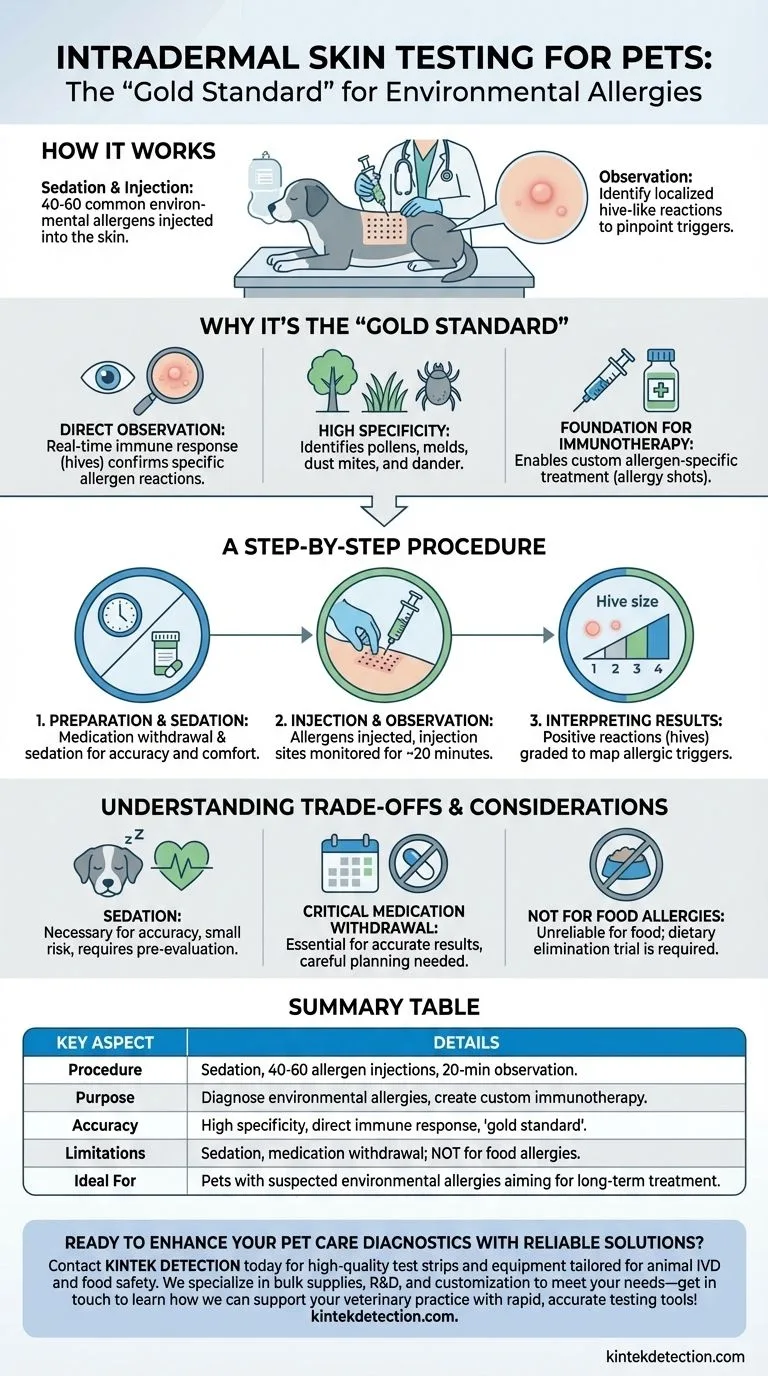
The major downside, beyond cost, is the washout. Your dog must be off oral steroids for 2 to 4 weeks and off injectable steroid shots (like Cytopoint) for 4 to 6 weeks before testing, or the immune system won't respond reliably. Some dogs are too uncomfortable to wait that long without medication, and your vet may need to use drugs that don't interfere with the test (like the antibiotic cyclosporine, in some cases) to bridge the gap.
If your dog is in rough shape, talk to your vet about whether the timing is right.
IDT is not used to diagnose food allergies. Skin tests for food allergens are considered unreliable across the veterinary field, which is why elimination diets remain the only accepted method for that question.
Serum IgE Blood Testing: The Common Alternative
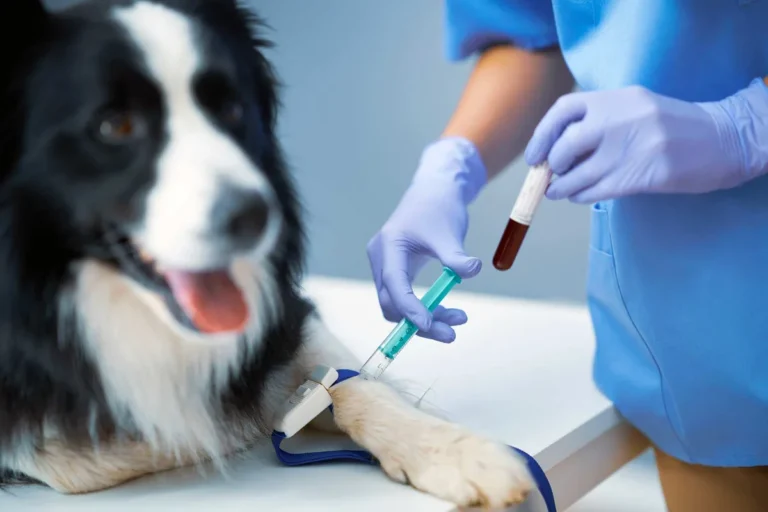
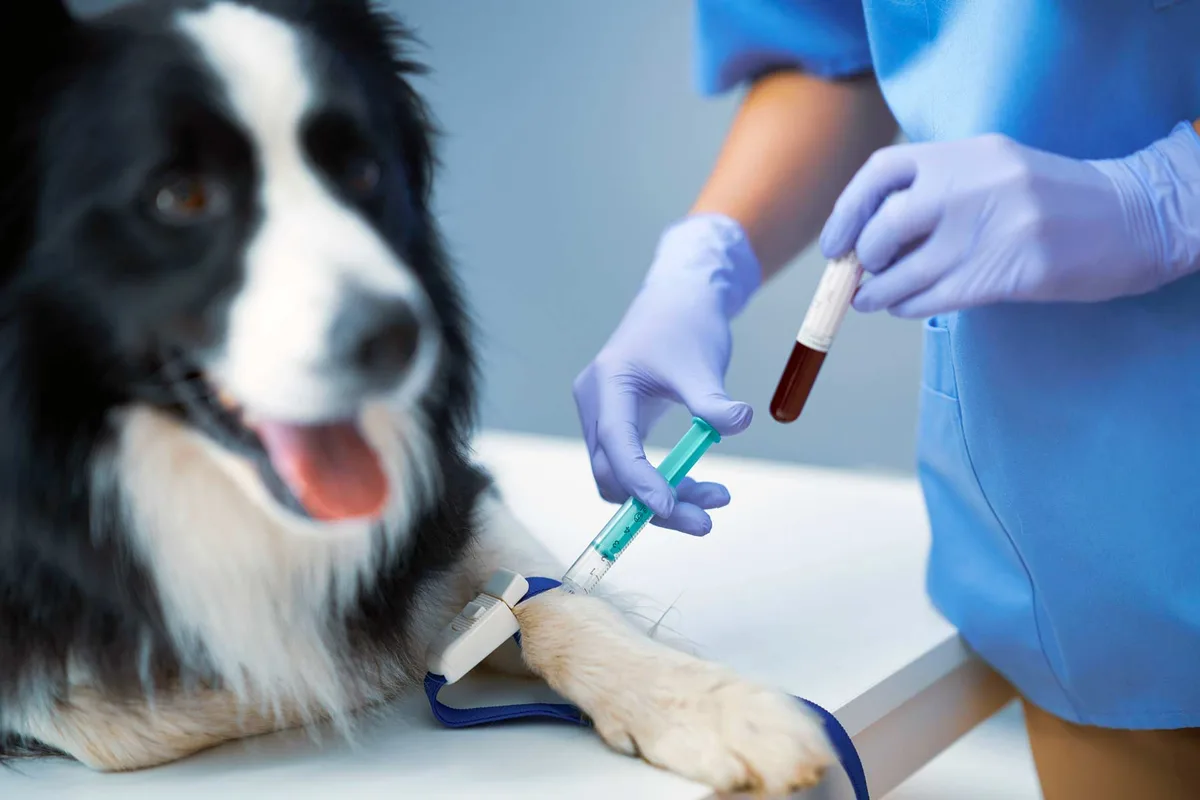
If sedation and the long steroid washout aren't realistic for your dog, or if a veterinary dermatologist isn't available in your area, serum IgE testing is the next best option. It's a simple blood draw, usually from the jugular or a front leg, sent to a commercial lab that measures allergen-specific IgE antibodies. The lab then reports which allergens your dog appears reactive to, and your vet uses that information to guide treatment or build custom immunotherapy.
The main advantages are logistical. No sedation is required, the washout period is shorter (most vets recommend 2 weeks off steroids, sometimes less), and any vet can order the test through a reference lab like IDEXX, Antech, or Spectrum. Cost is also a bit lower, typically $150 to $350 depending on the panel size and the lab.
The tradeoff is sensitivity. Aggregate research published in Veterinary Dermatology and similar journals suggests serum IgE testing is slightly less sensitive than skin testing for inhaled allergens, particularly dust mites and certain molds. False negatives are more common, which means a clean blood test doesn't entirely rule out allergies.
False positives are also possible, so a positive result still needs to match your dog's actual symptom pattern before you call it a real trigger.
The biggest practical benefit of a confirmed serum IgE result is custom immunotherapy. If your dog is reacting to, say, five specific grass and weed pollens, the lab can formulate a custom allergy serum (sometimes called allergen-specific immunotherapy) tailored to those exact triggers. That serum is then given as either subcutaneous injections (allergy shots) at home, or as sublingual drops under the tongue.
Both forms are considered effective when properly dosed, with most dogs showing meaningful improvement within 3 to 6 months.
A few real-world numbers to set expectations. The first-year cost of serum IgE testing plus custom allergy serum plus induction injections usually lands between $700 and $1,200. After year one, ongoing serum refills run $300 to $500 annually.
Not cheap, but often cheaper than years of trial-and-error medications, repeated vet visits, and secondary skin infections.
At-Home Saliva and Hair Tests: Why Vets Don't Trust Them
You can find a dozen at-home dog allergy kits on Amazon, from brands like 5Strands, EasyDNA, MyPetDNA, and others. The pitch is simple: collect saliva or a few hairs, mail them in, and get a list of food and environmental sensitivities in a few weeks. Cost is usually $80 to $200.
Here's why veterinary dermatologists don't recommend them. The tests measure IgA or IgG antibodies (or sometimes nothing standardized at all) rather than the IgE antibodies associated with true allergic reactions. Multiple peer-reviewed studies, including work cited by the American College of Veterinary Dermatology, have shown these kits produce inconsistent and often contradictory results when compared to intradermal or serum IgE testing.
In our research, the most common pattern we saw was dog owners getting back a long list of "sensitivities," restricting the dog's diet or environment based on those results, and seeing no clinical improvement. Worse, some dogs ended up on nutritionally incomplete homemade diets because of false positives for common proteins.
There's also a more subtle problem. A "clean" at-home result can give a false sense of security, leading owners to skip proper testing while their dog continues to suffer. If your goal is real answers, skip the mail-in kits and put that $150 toward a vet-administered test instead.
Elimination Diet Trials: The Only Reliable Way to Test Food Allergies
If your vet suspects a food allergy, there is exactly one test that the veterinary dermatology community agrees on: the elimination diet trial. No blood, skin, or saliva test for food allergies is considered reliable enough to diagnose a true food allergy in dogs.
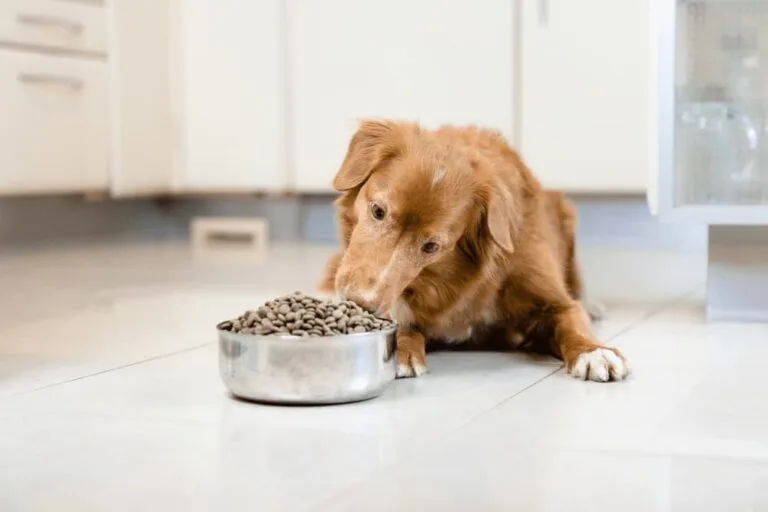
The concept is straightforward. You feed your dog a single protein and carbohydrate source (or a prescription hydrolyzed protein diet) for 8 to 12 weeks. Nothing else passes their lips.
No treats, no table scraps, no flavored heartworm preventatives, no pig ears, no chews. If symptoms improve by the end of the trial, food is contributing. To confirm, you reintroduce the original diet and watch for a flare.
Two keys make or break the trial. First, the diet must be truly novel or truly hydrolyzed. A "grain-free" commercial food is not an elimination diet.
Second, compliance has to be airtight, including for any other pets in the household who might share bowls. Cost is mostly food: $50 to $200 over the 8 to 12 week window, depending on whether you use a prescription hydrolyzed diet (Hill's z/d, Royal Canin Hypoallergenic, Purina HA) or a carefully selected novel protein you can source consistently.
Elimination diets are slow and inconvenient, but they remain the diagnostic gold standard for one reason: they work. They also answer a different question than serum IgE testing. Instead of "what is my dog sensitive to on paper," they answer "is my dog's current diet causing these symptoms?" That distinction matters more than most owners realize.
What Dog Allergy Testing Actually Costs in 2026
A quick reality check on current pricing, since costs have shifted noticeably since 2023. Aggregate data from US veterinary schools and major specialty chains suggests the following ranges as of 2026:
| Test or Service | 2023 Range | 2026 Range |
|---|---|---|
| Intradermal skin test | $185 to $350 | $200 to $400 |
| Serum IgE blood test | $130 to $300 | $150 to $350 |
| Regional allergen panel (subset) | $70 to $175 | $80 to $200 |
| Food allergy panel (any kind) | $90 to $275 | $100 to $300 |
| Elimination diet (food only) | $50 to $180 | $50 to $200 |
| At-home saliva/hair kit | $70 to $180 | $80 to $200 |
| Veterinary dermatologist consult | $130 to $275 | $150 to $300 |
| Custom allergy serum (year one) | $275 to $475 | $300 to $500 |
The biggest jump is in specialist consultation fees, which have risen faster than general vet visits. If you live in a major metro area (NYC, LA, Chicago, Houston, Boston), expect to pay toward the top of each range. Rural areas may run cheaper on the consult but higher on the travel to a specialist, if one is available at all.
Does Pet Insurance Cover Allergy Testing?
Most pet insurance plans treat allergy testing as a pre-existing condition exclusion, especially if your dog showed itching or skin issues before the policy's effective date. Even when allergies aren't pre-existing, many plans still classify testing and immunotherapy as "wellness" or "elective" and exclude them from reimbursement.
A few plans do cover it. Trupanion, for example, has covered allergy serum and certain testing under its core policy in some regions. Embrace covers some diagnostic testing under its optional Wellness Rewards add-on.
Always check the specific policy language, especially the fine print around "chronic conditions" and "diagnostic panels."
If you're shopping for new insurance because your dog has allergies, you'll likely be out of luck on coverage. Most insurers now require a clean medical history at enrollment. That's one reason many owners end up paying out of pocket and budgeting for testing as a one-time cost, not an ongoing claim.
Factors That Change the Price You'll Pay
Five things move the needle on what you'll actually pay:
- Your vet's credentials. A board-certified veterinary dermatologist charges more than a general practice vet, but they're also more likely to interpret results correctly. If your local GP is running the test themselves, the price is often lower and so is the interpretive confidence.
- Geographic region. Urban specialty clinics in high cost-of-living areas run 20 to 40 percent above rural or mid-sized city prices. Regional allergen panel customization also varies, so don't expect a Midwest clinic to test for Bermuda grass if you live in Maine.
- Test scope. A regional environmental panel (40 to 60 allergens) costs less than a full national panel (80+ allergens). Make sure your vet orders a panel relevant to where you actually live and spend time with your dog.
- Sedation and support. Intradermal skin testing requires sedation and monitoring, which adds to the bill. Serum testing doesn't, which is part of why it's often $50 to $100 cheaper.
- Whether immunotherapy is included. The test itself is one cost. The custom serum, induction shots, and rechecks are separate. If you walk out with both, the first year lands closer to $1,000 than $300.
If you want to push the price down without losing diagnostic value, ask your vet about regional panels instead of full national ones, and ask whether serum IgE is appropriate for your dog's specific symptom pattern. Sometimes the cheaper blood test is genuinely the right call. Sometimes it isn't.
A good vet will tell you which.
What to Expect at the Vet Visit (Step by Step)
Knowing the sequence ahead of time takes a lot of the stress out of the day. Here's how a typical allergy testing appointment unfolds, from check-in to results.
- Initial exam and history. Your vet confirms the symptoms match an allergic pattern (seasonal, recurrent ear infections, recurrent hot spots, paw licking). Expect 15 to 30 minutes of questions.
- Rule out lookalikes. Cytology, skin scrape, and flea combing come first. If a bacterial infection or mites is the real culprit, allergy testing is postponed.
- Washout period. Your vet confirms your dog has been off interfering medications long enough. If not, the appointment is rescheduled.
- Testing. Either a blood draw (5 minutes) or intradermal skin test under sedation (45 to 90 minutes including recovery).
- Interpretation. Results from serum tests come back in 3 to 14 days. Skin test results are read on the spot.
- Treatment plan. Based on results, your vet recommends avoidance, immunotherapy, medication, or a combination. If food allergy is suspected, an elimination diet is started.
Total elapsed time from first appointment to final results is usually 1 to 3 weeks. For immunotherapy, the bigger timeline is the 3 to 6 months of treatment before you'll know if it's working.
Risks and Mistakes That Can Inflate the Bill
A few common pitfalls drive the cost of allergy testing way up without improving outcomes.
- Skipping the washout. If your dog is still on steroids or Apoquel, results will be unreliable, and you'll pay to test again. Two to four weeks of itching is the price of an accurate answer.
- Testing food allergies with blood or skin panels. The data is clear: these don't reliably identify food allergies. You'll spend $150 to $300 and end up doing an elimination diet anyway.
- Buying at-home kits first. Owners who do this often come in having already restricted the diet, which complicates the elimination trial and adds weeks.
- Going straight to immunotherapy without confirming the diagnosis. Custom serum is expensive. Make sure the test actually identified triggers that match your dog's symptoms before committing to year one of treatment.
- Treating secondary infections as the root cause. Allergic dogs almost always develop bacterial or yeast infections on top of the allergy. If those are treated without addressing the underlying allergy, you'll be back at the vet in weeks.
Each of these mistakes is fixable, but each one usually adds $100 to $300 to the total bill, plus weeks of delay.
When Testing Is Worth It (And When It Isn't)
Testing is worth the cost when your dog has chronic or recurrent allergic symptoms (year-round itching, repeated ear infections, recurrent hot spots) and you want targeted treatment. It's also worth it if you're considering immunotherapy, because you can't formulate custom serum without knowing what your dog reacts to.
Testing is less useful when symptoms are clearly seasonal and mild, since a trial of supportive medication during flare-ups may be enough. It's also less useful if your dog is a puppy under 6 months, since the immune system hasn't fully matured and results are less reliable. And it's almost never useful as a one-time "screening" in a healthy dog with no symptoms.
A simple rule of thumb: if you're spending more than $300 a year on allergy-related vet visits, you'll likely save money within two to three years by getting a real diagnosis and targeted treatment instead of repeating the same symptomatic medications.
Questions to Ask Your Vet Before Saying Yes
Before you commit, run through these with your vet. They'll tell you whether the proposed test is the right one for your dog's situation.
- Is my dog a better candidate for skin or serum testing right now? Age, severity, and current medications all influence the answer.
- What's the washout timeline, and how do we manage symptoms in the meantime?
- Is this a regional or full-national allergen panel?
- If food allergy is suspected, are we starting an elimination diet instead?
- If we identify triggers, what's the total first-year cost of immunotherapy?
- Is the lab you use one with published reproducibility data? Heska (Antech), IDEXX, and Spectrum all have peer-reviewed validation studies.
A vet who answers these clearly is more likely to be doing the test right. A vet who rushes through them may be ordering panels out of habit rather than diagnostic logic.
Final Verdict: How to Get Real Answers Without Wasting Money
If you want real answers, here's the shortest path. Start with your general practice vet to rule out fleas, mites, and infections. If symptoms persist, ask for a referral to a board-certified veterinary dermatologist.
Plan on $300 to $500 for the initial workup plus a serum IgE or intradermal skin test. If food allergy is in play, commit to a real 8 to 12 week elimination diet and skip the food panels.
Budget $700 to $1,200 for the first year if immunotherapy is part of the plan. After that, ongoing serum and rechecks run $300 to $500 annually, often less than the cost of years of symptomatic medication and emergency visits for skin infections. Skip the at-home saliva and hair kits.
The money you save there is better spent on a proper diagnosis from a qualified vet.
The most expensive path is almost always the cheapest test plus years of guessing. The most cost-effective path is a real test, a real interpretation, and a real plan.
Frequently Asked Questions
How accurate are at-home dog allergy test kits?
At-home saliva and hair kits are not considered diagnostically accurate by board-certified veterinary dermatologists. Peer-reviewed studies show they produce inconsistent results and a high rate of false positives for both food and environmental sensitivities. They are not a reliable basis for dietary or treatment decisions.
Can a dog be tested for food allergies with a blood test?
Blood tests for food allergies are not considered reliable for diagnosing true food allergies in dogs. The only accepted diagnostic method is an elimination diet trial lasting 8 to 12 weeks, supervised by a veterinarian. Blood tests can screen for some environmental allergens with moderate accuracy, but not for food.
Does pet insurance cover allergy testing for dogs?
Most pet insurance plans exclude allergy testing and immunotherapy, either as pre-existing conditions or as wellness or elective care. A few plans cover parts of the workup in certain regions. Always check the specific policy language around chronic conditions and diagnostic panels before scheduling testing.
How long does immunotherapy take to work in dogs?
Most dogs show meaningful improvement from custom allergy serum within 3 to 6 months of starting treatment. Some show partial response within the first 8 to 12 weeks. If no improvement is seen by month 12, your vet will typically re-evaluate the formulation or consider alternative treatment.
Can dogs outgrow allergies?
Dogs don't typically outgrow environmental allergies, but symptoms often become more manageable with age-appropriate treatment, immunotherapy, and seasonal medication plans. Food allergies can sometimes resolve over time, though many dogs need lifelong dietary management.
Is allergy testing painful for dogs?
Serum IgE testing is a simple blood draw, no more uncomfortable than any routine blood sample. Intradermal skin testing requires sedation and multiple small injections under the skin, but most dogs recover within an hour and show no lasting discomfort. Elimination diets are non-invasive but require strict household compliance.