How do vets test for allergies in dogs
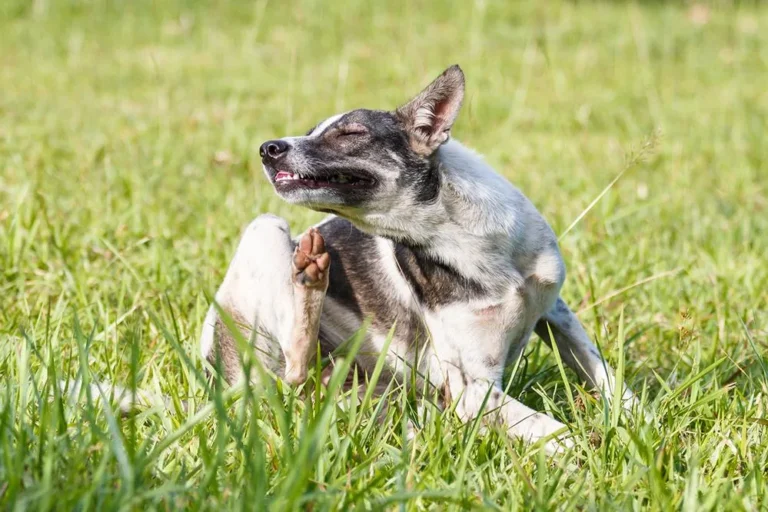
If your dog won't stop scratching, licking their paws, or shaking their head, you've probably already typed "how do vets test for allergies in dogs" into a search bar. You're not alone. Skin and ear problems are some of the most common reasons dogs end up at the vet, and allergies sit right at the top of the suspect list.
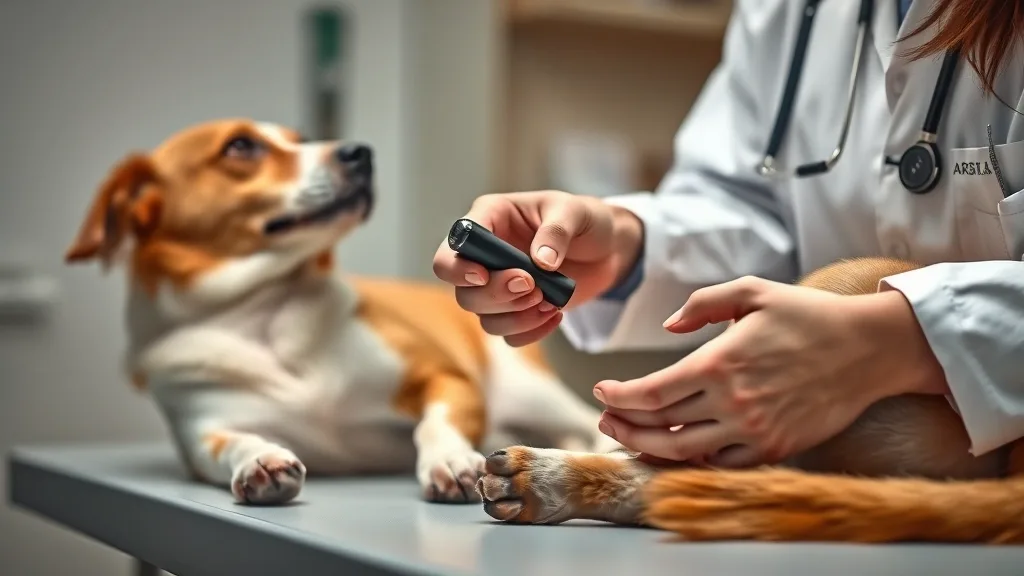
Here's what actually happens behind the scenes. Vets follow a step-by-step process: they rule out infections and parasites first, then run either an intradermal skin test, a serum IgE blood test, or an elimination diet trial. As of 2026, the gold standard for environmental allergies is still intradermal skin testing, while food allergies require a strict 8 to 12 week diet trial.
Let's walk through how each one works.
Quick Answer
Vets test for dog allergies in three main ways. They do an intradermal skin test, where small amounts of allergens are injected under the skin. They run a serum IgE blood test to measure antibodies.
They do an elimination diet trial, lasting 8 to 12 weeks, to check for food allergies. Before any of these, the vet rules out infections, mites, and fleas first.
Why Getting a Real Diagnosis Matters Before Treating Dog Allergies
Treating allergies without a diagnosis is like throwing darts in the dark. You might hit something, but you'll waste time, money, and your dog's comfort along the way.
Allergies in dogs fall into three main buckets:
- Environmental (atopy): pollen, dust mites, mold, grass.
- Food: proteins like beef, chicken, dairy, or wheat.
- Flea allergy dermatitis (FAD): a reaction to flea saliva, even from a single bite.
The symptoms overlap. Itchy skin, ear infections, paw licking, and hot spots can show up in all three. That overlap is exactly why guessing doesn't work.
A dog on the wrong diet trial still itches. A dog treated for food allergies when the real trigger is dust mites gets no relief.
A proper diagnosis also protects your dog from unnecessary medication. Cytopoint and Apoquel can mask symptoms without addressing the cause. They're useful tools, but they're not substitutes for finding the trigger.
Bottom line: if your dog's itching has lasted more than a few weeks, a vet-supervised diagnostic plan pays for itself.
The First Step: What Your Vet Looks At Before Any Allergy Test
Before a single allergen gets injected or drawn, your vet has to rule out everything that looks like an allergy but isn't one.
Here's what that workup typically covers:
- Skin cytology: a quick swab or tape impression to check for bacterial or yeast overgrowth.
- Ear swabs: ear infections often tag along with allergies, and treating only the ear misses the bigger picture.
- Flea combing and parasite control: flea allergy dermatitis is the easiest allergy to confirm and the easiest to miss.
- Bloodwork: to rule out endocrine issues like hypothyroidism or Cushing's disease, which can mimic allergic skin disease.
This rule-out phase matters more than most owners realize. Veterinary literature reports that a meaningful share of dogs referred for "allergies" actually have an underlying endocrine or infectious cause. Skipping this step sends you down the wrong road.
Only after these basics come back clean does allergy-specific testing begin.
Intradermal Skin Testing (IDST): The Gold Standard for Environmental Allergies
When vets talk about the "gold standard" for environmental allergies, they mean intradermal skin testing. It's the same principle used in human allergist offices, just adapted for dogs.
How It Works
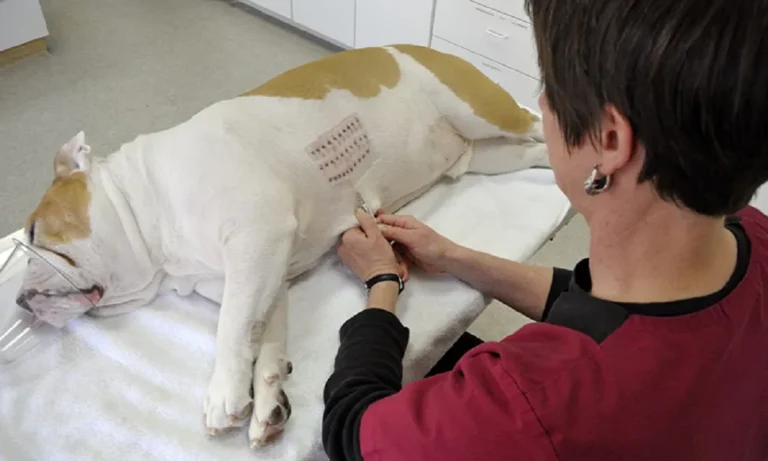
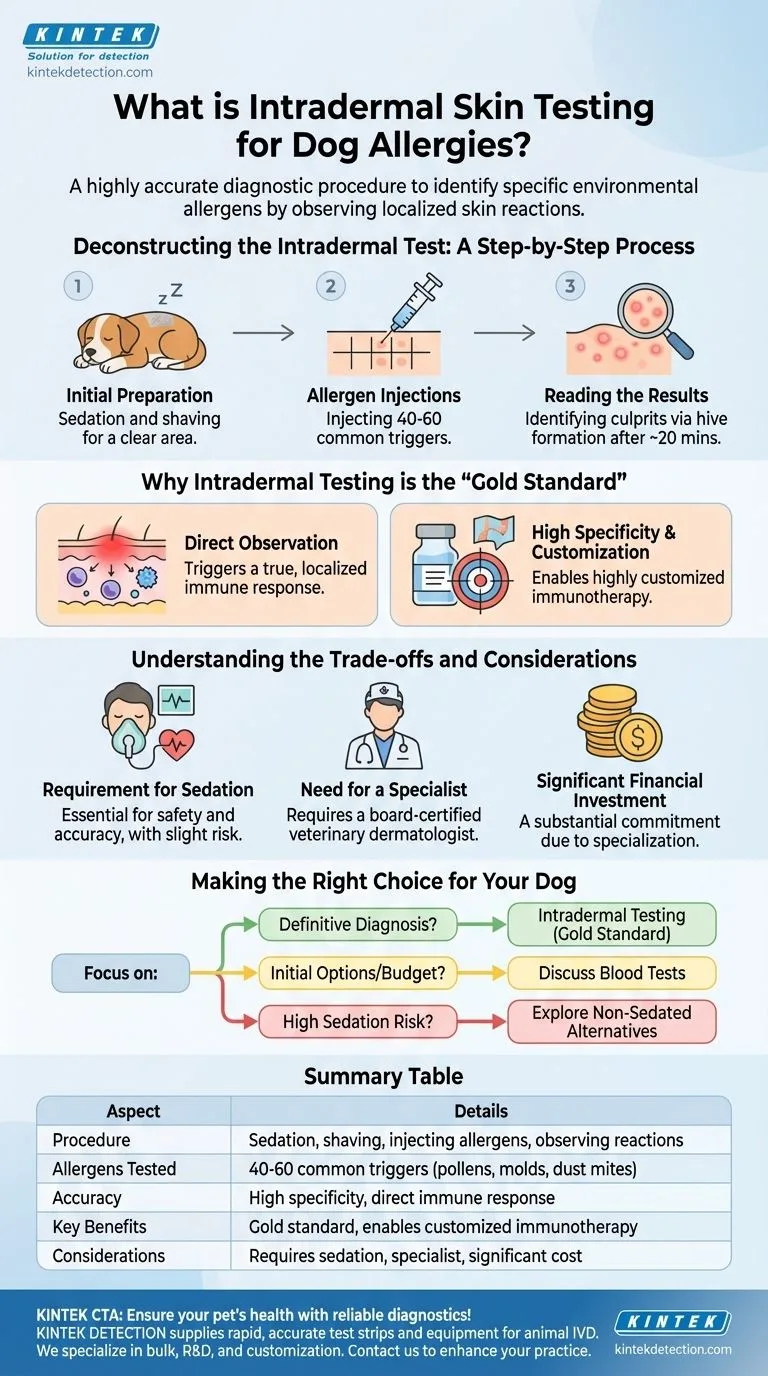
The dog is sedated or lightly anesthetized. A patch on the side of the chest is shaved. Then a grid of tiny injections delivers small amounts of common allergens (grass pollen, tree pollen, dust mites, mold spores, flea antigen) just under the skin.
After about 15 to 20 minutes, the vet reads the reaction. A positive response looks like a raised, red wheal at the injection site. Reactions are typically scored on a 0 to 4 scale, comparing each spot to a positive (histamine) and negative (saline) control.
Why Vets Prefer It
Intradermal testing is more sensitive than blood tests for most environmental allergens. It directly measures the skin's reaction, which is where the clinical problem actually lives. It also identifies the specific allergens needed to formulate immunotherapy (allergy shots), which is the only treatment that targets the root cause rather than just suppressing symptoms.
What Owners Should Know
| Aspect | Detail |
|---|---|
| Sedation required | Yes, light sedation or anesthesia |
| Shaving required | Yes, side of the chest |
| Time in clinic | 1 to 2 hours |
| Results | Same day |
| Stop medications before? | Antihistamines: 7 to 14 days. Steroids: 2 to 4 weeks. Apoquel: 2 weeks |
Limitations
Intradermal testing isn't perfect. It can miss certain allergens, especially if the dog is on interfering medications. It also requires a skilled operator, which is why many general practitioners refer to a board-certified veterinary dermatologist for this test.
If your vet recommends this test, ask whether they perform it in-house or refer out. Both are fine, but a dermatologist-run test often gives more reliable results for complicated cases.
Serum IgE Blood Testing: How It Works and When Vets Use It
Serum allergy testing is the blood-test alternative to intradermal skin testing. It measures allergen-specific IgE antibodies circulating in the blood.
How It Works
A blood sample is drawn and sent to a reference lab (common ones include Heska and VARL). The lab exposes the serum to a panel of regional allergens and measures the antibody response. Results come back in a few days to a couple of weeks.
When Vets Choose It
Blood testing has real advantages in certain situations:
- Dogs too sick or old to sedate.
- Dogs on medications that can't safely be stopped (some cardiac or endocrine patients).
- Initial screening when the owner wants a starting point before committing to a dermatologist visit.
- Geographic allergen panels when the dog lives in an area the testing lab covers.
Honest Limitations
Here's where it gets tricky. Serum IgE tests are useful but less sensitive than intradermal skin testing for environmental allergens. False positives are common, especially with food allergens.
A positive blood result for "chicken" doesn't confirm a chicken allergy. It just means the immune system has made antibodies to chicken at some point, which a healthy dog can also do.
For food allergies, blood tests are not reliable for diagnosis. The only validated method is an elimination diet trial, covered next.
Practical Notes
- Cost: roughly $150 to $400, depending on the panel size and lab.
- Medications: antihistamines and Apoquel don't interfere, which is a major plus when stopping meds isn't safe.
- Turnaround: typically 5 to 14 days.
For a deeper look at how labs validate these tests, the American College of Veterinary Dermatology publishes position statements on testing methodology that are worth a read.
Elimination Diet Trials: The Only Reliable Way to Test for Food Allergies
If your vet suspects a food allergy, expect to hear the words "elimination diet trial." It's tedious. It's also the only method that actually works.
How It Works
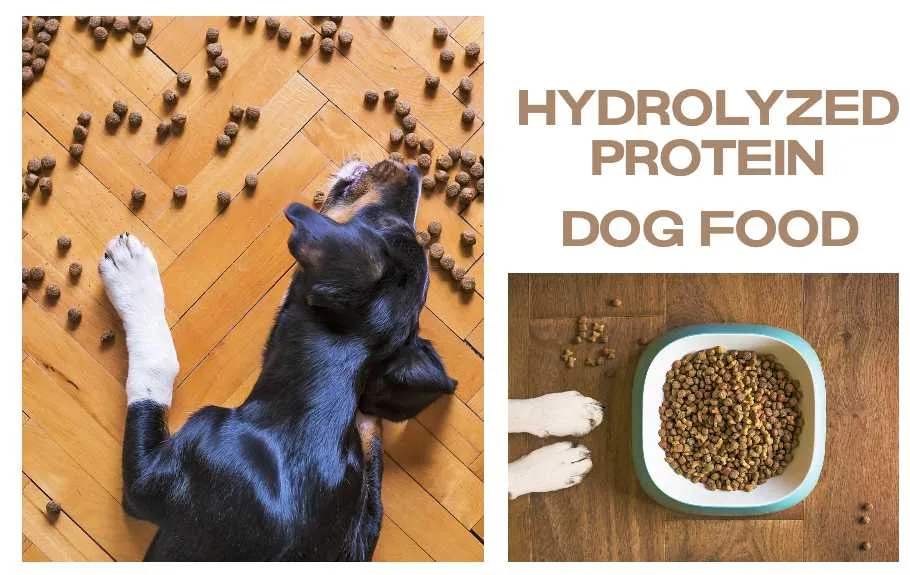
The dog eats a single, novel or hydrolyzed protein diet for 8 to 12 weeks. Nothing else. No treats, no table scraps, no flavored medications, no flavored toothpaste.
Just the prescribed food and water.
A hydrolyzed protein diet breaks proteins into pieces too small for the immune system to recognize. A novel protein diet uses a protein the dog has never eaten before (like duck, venison, or kangaroo, assuming no prior exposure).
If symptoms improve, the vet then "challenges" the dog by reintroducing previous foods one at a time. A flare-up after adding chicken back confirms the chicken allergy. No flare means chicken is safe.
Why Blood Tests Don't Work for Food Allergies
This deserves repeating because the internet is full of misinformation. As of 2026, no commercially available serum IgE test reliably diagnoses food allergies in dogs. The Veterinary Allergy Reference Laboratory and similar labs explicitly state that food panels are screening tools only, not diagnostic ones.
| Method | Reliable for food allergy diagnosis? | Notes |
|---|---|---|
| Serum IgE food panel | No | High false-positive rate |
| Saliva/fur tests (mail-order) | No | No peer-reviewed validation |
| Elimination diet trial | Yes | 8 to 12 weeks, gold standard |
Practical Tips From the Trenches
- Choose hydrolyzed over novel if your dog has eaten many protein sources. It's harder to slip up.
- Watch the treats. This is where most trials fail. Flavored heartworm preventives count.
- Document everything. Take weekly photos of skin and stool. It's easy to forget how things looked at week 1.
- Commit to the full 12 weeks. Some dogs don't show improvement until week 10.
The trial is a slog, but the payoff is real. A properly completed elimination diet gives you a lifelong list of foods your dog can and cannot eat. No other test can do that.
Comparing the Three Main Allergy Tests for Dogs
Choosing the right test depends on what your vet suspects and what your dog can handle. Here's a side-by-side look.
| Test | Best for | Strengths | Weaknesses |
|---|---|---|---|
| Intradermal skin test | Environmental allergies | Most sensitive, guides immunotherapy | Needs sedation, shaving, drug washout |
| Serum IgE blood test | Environmental, dogs that can't sedate | No sedation, fewer drug restrictions | Less sensitive, not reliable for food |
| Elimination diet trial | Food allergies | Only validated food allergy test | 8 to 12 weeks, strict owner compliance |
If your dog itches year-round and has ear infections, your vet will likely lean intradermal. If your dog itches seasonally and you want a quick read, serum IgE often comes first. For vomiting, soft stool, or non-seasonal itching that started after a diet change, elimination trial is the move.
How to Prepare Your Dog for Allergy Testing
Prep makes or breaks the results. Here's the rundown.
Medication Washout Before Intradermal Testing
- Oral steroids (prednisone): stop 2 to 4 weeks before.
- Injectable steroids: stop 6 to 8 weeks before.
- Apoquel (oclacitinib): stop 2 weeks before.
- Antihistamines (Benadryl, Zyrtec): stop 7 to 14 days before.
- Topical steroid creams: stop 2 weeks before on the test site.
Before a Serum IgE Test
No washout is usually needed. Apoquel and antihistamines don't interfere. That's the main reason vets pick blood tests for dogs whose symptoms can't be controlled without meds.
Before an Elimination Diet Trial
- Pick up all treats, chews, and flavored supplements.
- Switch to the new diet cold turkey over 3 to 5 days to avoid GI upset.
- Tell your vet about any flavored medications (certain heartworm preventives count).
- Plan for 12 weeks of strict feeding.
Skipping the prep is the single most common reason allergy tests give unclear results.
What Happens After the Test: Reading the Results
A test result is only useful if you know how to read it.
Intradermal Skin Test
The vet scores each wheal against the controls. Anything graded 2+ on the standard scale is usually considered clinically relevant. Your vet then maps those positive allergens to potential immunotherapy formulation or avoidance strategies.
Serum IgE Results
Labs report results in classes (often 0 to 5 or 0 to 6). Higher classes indicate stronger antibody binding. A class 3 to beef in a dog with no clinical signs after eating beef doesn't mean anything.
Results must match the dog's history.
Elimination Diet Results
Improvement by week 8 to 12 supports a food allergy diagnosis. Then comes the challenge phase. Add one protein back for 7 to 14 days.
Watch for a flare. If itching returns, you've found a trigger. If not, move to the next protein.
Don't skip the challenge phase. Without it, you don't know which foods actually caused the problem.
Common Mistakes Vets and Owners Make With Allergy Testing
Even experienced teams slip on these.
Relying on Blood Tests for Food Allergies
Serum IgE food panels are widely sold. They are not diagnostic. The International Committee on Allergic Diseases of Animals has stated this clearly in position papers, and most dermatologists echo it.
Skipping the Rule-Out Phase
Jumping straight to allergy testing when the dog has an active skin infection produces false results. Inflammation skews everything. Treat the infection first, then test.
Using Mail-Order Saliva or Fur Tests
These kits are marketed heavily online. None have peer-reviewed validation for diagnosing allergies in dogs. Save your money.
Stopping Meds Too Late
If intradermal results come back "all negative" on a dog clearly allergic, suspect a medication washout failure. Steroids in particular can suppress skin reactivity for weeks.
Not Committing to the Full Diet Trial
Owners who quit at week 4 because they "see no change yet" miss real diagnoses. Some dogs don't respond until week 10.
Costs of Allergy Testing for Dogs
Prices vary by region and clinic, but here's what to expect as of 2026.
| Test | Typical cost (USD) |
|---|---|
| Initial vet exam + rule-out workup | $150 to $300 |
| Serum IgE panel (regional, ~80 allergens) | $150 to $400 |
| Intradermal skin test (dermatologist) | $300 to $600 |
| Elimination diet food (12 weeks, hydrolyzed) | $100 to $250 |
| Follow-up rechecks | $75 to $200 each |
Dermatologist-led testing costs more upfront. It also tends to save money long-term by getting the diagnosis right the first time. Ask your vet whether a referral makes sense for your case.
Safety, Risks, and When Allergy Testing Can Go Wrong
Allergy testing is generally safe, but it's not risk-free.
Intradermal Skin Test Risks
- Anaphylaxis: rare, but possible. Clinics keep emergency meds on hand.
- Sedation complications: standard anesthesia risks, especially in older or brachycephalic breeds.
- Skin irritation at the test site: usually mild and self-limiting.
Serum IgE Risks
Minimal. The main risk is interpreting results incorrectly and treating based on false positives.
Elimination Diet Risks
- Nutritional gaps in poorly formulated novel protein diets. Stick to veterinary-recommended foods.
- Owner fatigue and slip-ups are the biggest practical risk.
- Boredom-related food refusal in picky eaters.
If your dog has a history of severe allergic reactions, mention it before any test. Vets may pre-treat or choose a safer testing path.
When to See a Veterinary Dermatologist Instead of Your General Vet
Your regular vet can handle straightforward cases. But some situations call for a specialist.
Refer to a board-certified veterinary dermatologist if:
- Your dog has failed standard treatments.
- Symptoms started before 6 months of age.
- The dog has recurrent ear infections requiring repeated antibiotics.
- You want intradermal skin testing or allergen-specific immunotherapy.
- The diagnosis is unclear after initial workup.
Dermatologists complete a multi-year residency and pass a board exam. They also have access to advanced testing and compounding pharmacies for custom immunotherapy. For complicated cases, a specialist referral is often the fastest path to relief.
What to Do Once You Have a Diagnosis: Treatment Paths
A diagnosis opens the door to targeted treatment.
For Environmental Allergies
- Allergen-specific immunotherapy (ASIT): allergy shots or sublingual drops formulated from your dog's test results. Takes 3 to 6 months to show full effect, but addresses the root cause.
- Symptom control: Apoquel, Cytopoint, or antihistamines for short-term relief while immunotherapy kicks in.
- Environmental management: HEPA filters, frequent vacuuming, wiping paws after walks, washing bedding weekly.
For Food Allergies
- Strict lifelong avoidance of trigger proteins identified during the diet trial.
- No "a little bit won't hurt" cheats. Trace exposure can re-trigger symptoms.
- Rotate confirmed-safe proteins to keep nutrition balanced long-term.
For Flea Allergy Dermatitis
- Year-round flea prevention for every pet in the household.
- Environmental flea control if infestations have set in.
The goal isn't just comfort. It's reducing medication dependence and improving long-term quality of life.
Frequently Asked Questions
How long does allergy testing take in dogs?
Intradermal skin testing takes about 1 to 2 hours in the clinic, with same-day results. Serum IgE blood tests take 5 to 14 days for lab turnaround. Elimination diet trials take 8 to 12 weeks minimum, plus a 4 to 8 week challenge phase.
Can a blood test confirm food allergies in dogs?
No. As of 2026, no commercially available serum IgE test reliably diagnoses food allergies in dogs. The only validated method is an elimination diet trial followed by structured food challenges.
Blood food panels are screening tools at best.
How accurate are dog allergy tests?
Intradermal skin testing is the most accurate for environmental allergens, with sensitivity above 80% in trained hands. Blood tests run 60 to 80% sensitivity for environmental allergens. Food allergy blood tests are not accurate enough for diagnosis.
Do dogs need to be sedated for allergy testing?
Yes for intradermal skin testing. Sedation or light anesthesia keeps the dog still and comfortable during the multiple small injections. Serum IgE blood tests require no sedation, only a routine blood draw.
What is the best allergy test for dogs?
It depends on the suspected trigger. Intradermal skin testing is best for environmental allergies when immunotherapy is planned. Elimination diet trials are best for suspected food allergies.
There is no single "best" test for every dog.
How much does dog allergy testing cost?
As of 2026, expect $150 to $400 for serum IgE panels, $300 to $600 for intradermal skin testing at a dermatologist, plus $100 to $250 for the 12 weeks of elimination diet food. Initial vet workup adds another $150 to $300.