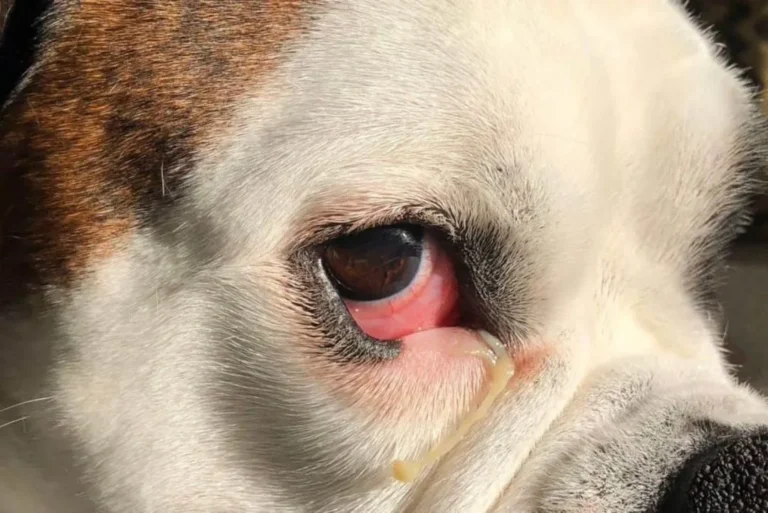
How to test for allergies in dogs: Beast guide
If your dog won't stop scratching, chewing their paws, or shaking their head, you've probably wondered how to test for allergies in dogs and whether the process is worth the cost. The honest answer is yes. Proper allergy testing gives you a real diagnosis instead of guessing at shampoos and supplements that don't work.
Veterinary dermatology has matured a lot, and the three evidence-based methods available today can pinpoint environmental, flea, or food triggers with reasonable accuracy when performed correctly.
The three main approaches are intradermal skin testing, serum IgE blood testing, and a strict elimination diet trial. Each method has its strengths, costs, and specific limitations, so your vet will usually recommend one based on your dog's symptoms, history, and physical exam findings. As of 2026, the American College of Veterinary Dermatology still considers intradermal testing the gold standard for environmental allergies, while elimination diets remain the only reliable way to confirm food allergies in dogs.
Quick Answer
Allergy testing in dogs involves three main methods: intradermal skin testing, serum IgE blood panels, and elimination diet trials. A veterinary dermatologist typically performs intradermal testing for environmental allergies. Blood tests screen for allergen-specific IgE antibodies.
Elimination diets are the only reliable way to diagnose food allergies. Proper diagnosis requires a veterinary exam first to rule out infections and parasites.
Why Getting Allergy Testing Right Matters for Your Dog
Allergy testing isn't a luxury add-on. It's the difference between treating symptoms forever and actually fixing the underlying problem. Chronic itching leads to skin damage, hot spots, ear infections, and behavioral changes that erode your dog's quality of life.
Worse, long-term steroid use, which is the default "easy" treatment, carries real risks over months and years.
The other reason it matters is accuracy. Walk into a pet store and you'll see dozens of over-the-counter allergy "tests" that promise results from a saliva swab or a hair sample. None of these have scientific backing, and the consensus from board-certified veterinary dermatologists is that they produce meaningless results.
Spending money on those kits delays proper diagnosis and keeps your dog miserable longer.
A real diagnosis also saves you money over time. Once you know exactly what your dog reacts to, you can target immunotherapy, choose the right avoidance strategy, or plan a precise elimination diet. Without that information, you're essentially throwing darts at a symptom list.
With it, you have a treatment plan built around your specific dog.
The Core Facts Every Dog Owner Should Know First
Before we get into specific tests, a few foundational facts will save you from common mistakes.
First, allergies in dogs fall into three main categories: environmental (atopic dermatitis), flea, and food. The symptoms overlap heavily, which is why testing matters. A dog with chronic ear infections might have a food allergy, an environmental allergy, or both, and the treatments look very different.
Second, no allergy test is perfect. Intradermal skin testing has a sensitivity and specificity that vary by allergen and lab. Serum IgE tests are known for false positives, meaning they sometimes flag an allergen your dog doesn't actually react to clinically.
Elimination diets are reliable but slow, typically requiring 8 to 12 weeks of strict feeding. Knowing these limitations helps you interpret results sensibly.
Third, your dog must be off certain medications before testing. Antihistamines usually need a 7 to 14 day washout. Oral steroids typically require a 14 to 30 day washout depending on the formulation.
Injectable steroids can throw off results for even longer. Your vet will give you a specific withdrawal schedule based on what your dog is taking.
Fourth, parasites and secondary infections must be ruled out before testing. If your dog has a bacterial or yeast skin infection, or an active flea problem, the test results will be unreliable. Many vets treat these issues first, then schedule testing once the skin is calm.
Common Symptoms That Should Trigger Testing
Not every itch needs allergy testing. Acute itching from a bug bite or a one-time reaction to a new food usually resolves on its own. The signs that point to chronic, allergic disease are persistent and recurring.
| Symptom Pattern | Likely Allergy Type |
|---|---|
| Year-round scratching, recurrent ear infections, paw licking | Environmental (atopy) or food |
| Seasonal worsening in spring, summer, or fall | Environmental (pollens, molds) |
| Intense scratching focused on the tail base, lower back, hindquarters | Flea allergy dermatitis |
| Chronic soft stool, ear inflammation, facial rubbing alongside skin issues | Possible food allergy |
| Hot spots, hair loss, thickened or darkened skin from chronic scratching | Any chronic allergy, often with secondary infection |
If your dog matches any of these patterns, especially recurrent ear infections or seasonal flare-ups, testing is worth discussing with your vet. Breeds with higher predisposition include French Bulldogs, West Highland White Terriers, Labrador Retrievers, Golden Retrievers, and German Shepherds, though any breed can develop allergies.
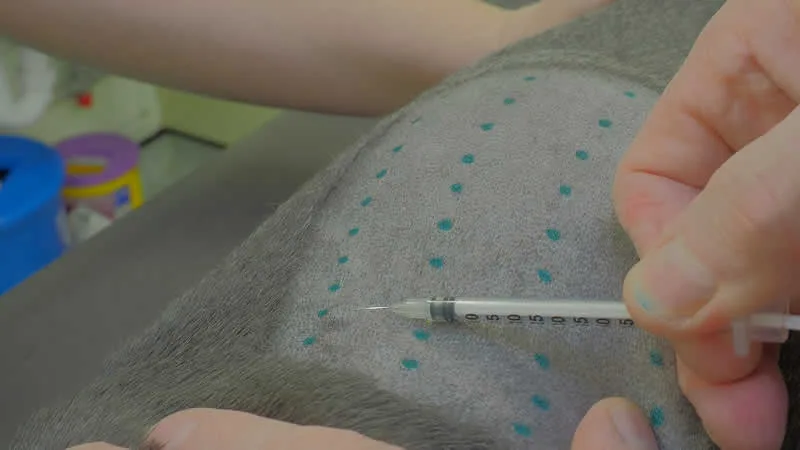
A board-certified veterinary dermatologist performing intradermal allergy testing on a sedated dog, injecting small amounts of individual allergens into the skin to identify which ones trigger a reaction.
Intradermal Skin Testing vs Serum IgE Blood Tests: What Actually Works
This is the comparison most owners want to understand, and the answer depends on what you're testing for, your budget, and access to a specialist.
Intradermal skin testing (IDT) is the traditional gold standard for environmental allergies. The dog is sedated, a patch of skin on the side or chest is shaved, and tiny amounts of individual allergens (typically 40 to 80) are injected just under the skin. A positive reaction shows up as a raised wheal, similar to a small hive.
Results are visible within 15 to 20 minutes, and a board-certified veterinary dermatologist reads them on the spot.
Serum IgE blood testing works differently. Your vet draws a blood sample, sends it to a reference lab, and the lab measures allergen-specific IgE antibodies circulating in the blood. Turnaround is usually 1 to 2 weeks.
The main advantage is convenience: no sedation, no specialist visit required in many cases, and it's easier if your dog has skin issues that make shaving problematic. The downside is a higher rate of false positives and a less clear correlation between positive results and clinical disease.
| Factor | Intradermal Skin Test | Serum IgE Blood Test |
|---|---|---|
| Best for | Environmental allergies | Environmental allergies, mild skin cases |
| Performed by | Veterinary dermatologist | Any vet (sample shipped to lab) |
| Sedation required | Yes | No |
| Turnaround | Same day | 1-2 weeks |
| Cost range (2026) | $300-$600+ | $200-$500 |
| False positive rate | Lower | Higher |
| Drug withdrawal needed | Yes (antihistamines, steroids) | Lower, but steroids still affect results |
A practical rule of thumb: if your dog has clear environmental allergies, your vet suspects atopy, and you have access to a veterinary dermatologist, intradermal testing is the better first choice. If access or cost is a barrier, a serum IgE panel is a reasonable starting point, though you'll need to interpret results alongside your dog's clinical history.
One important note about direct-to-consumer allergy test kits sold online: these market themselves as simpler and cheaper alternatives to veterinary testing. The American College of Veterinary Dermatology has consistently warned that saliva, hair, and fur-based tests lack scientific validation. Stick with tests ordered and interpreted by a licensed veterinarian.
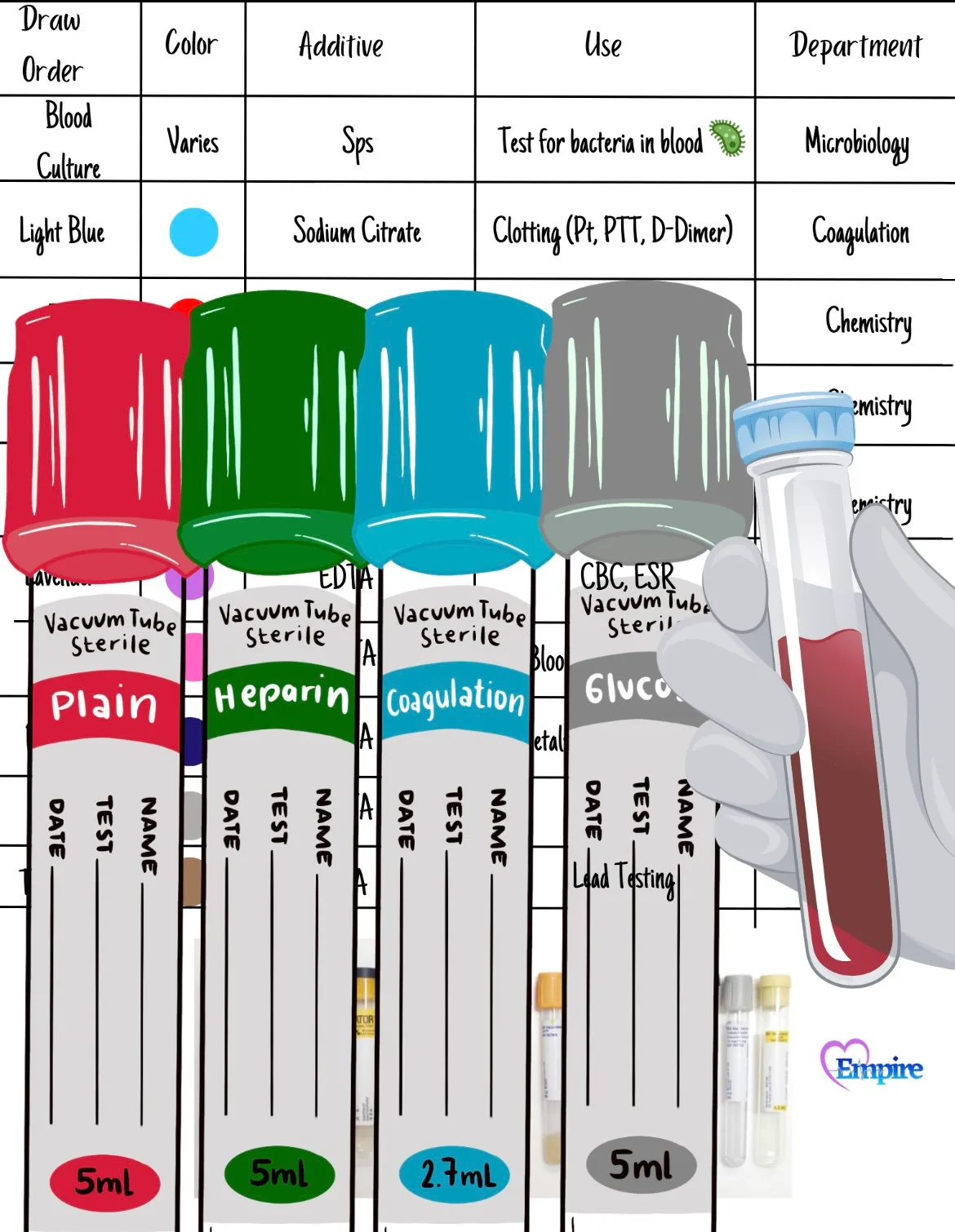
A labeled blood sample vial used for serum IgE allergy testing, the kind sent to a reference lab to measure allergen-specific antibodies in dogs.
What an Elimination Diet Trial Really Involves (and Why Vets Trust It Most for Food Allergies)
Food allergies get talked about a lot, but they're actually less common than environmental allergies. Studies suggest only about 1% of dogs with skin issues have a true food allergy. The confusion happens because environmental allergies cause similar symptoms, and because pet food marketing loves to slap "grain-free" or "limited ingredient" on bags whether your dog needs it or not.
The only reliable way to diagnose a food allergy in dogs is an elimination diet trial. Blood tests for food allergies are notoriously unreliable, with high false positive rates and poor correlation with what the dog actually reacts to when fed. That's why most veterinary dermatologists don't recommend them.
Here's how the trial works in practice. You feed your dog a single protein source and a single carbohydrate source that they've never eaten before. Common veterinary choices include hydrolyzed protein diets, where the protein is broken down into pieces too small for the immune system to recognize.
Royal Canin, Hill's, and Purina all make prescription hydrolyzed diets for this purpose. Some vets use novel protein diets (like venison and sweet potato) instead, though hydrolyzed diets are generally more reliable.
The trial has strict rules:
- Feed only the prescribed diet for 8 to 12 weeks, no exceptions
- No treats, table scraps, flavored medications, or dental chews
- No access to other pets' food or garbage
- Watch for improvement in itching, ear infections, or digestive symptoms
If symptoms improve significantly during the trial, the next step is a "challenge" phase where you reintroduce previous foods one at a time. This identifies which specific ingredient triggers the reaction. Many owners skip this step because they're relieved to see improvement, but it's how you confirm a true allergy versus a coincidence.
The biggest practical challenge is consistency. Family members, guests, and even other pets in the household can sabotage the trial by sneaking treats. If your dog raids the cat's bowl or your kid drops a cookie, the trial results become meaningless.

A bowl of hydrolyzed protein dog food, the type of prescription diet typically used during an elimination diet trial to identify food allergies in dogs.
Step-by-Step: How Allergy Testing Actually Works From Start to Finish
Knowing the order of operations helps you prepare and avoid delays.
- Initial veterinary consultation. Your vet takes a detailed history, including symptom timeline, diet, environment, and any prior treatments. This shapes which test makes sense.
- Rule out other causes. Skin scrapings, cytology, and sometimes cultures check for mites, bacterial infections, and yeast. Flea control is verified. These issues must be resolved before allergy testing.
- Medication withdrawal. Your vet gives you a withdrawal schedule for antihistamines, steroids, and sometimes other medications. This typically takes 2 to 4 weeks depending on the drugs involved.
- Testing day. For intradermal testing, your dog is sedated, shaved, and tested at a dermatology clinic. For serum IgE testing, blood is drawn and sent to a lab.
- Results interpretation. Your vet or dermatologist reads the results alongside your dog's clinical history. A positive test alone doesn't mean treatment: it needs to match the symptoms your dog actually shows.
- Treatment planning. Based on confirmed allergens, your vet discusses immunotherapy (allergy shots or oral drops), environmental management, dietary changes, or symptomatic medications like Apoquel or Cytopoint.
- Follow-up. Most dogs on immunotherapy are reassessed at 3 to 6 months to evaluate response and adjust dosing.
Drug Withdrawal Timelines Before Testing (This Step Gets Missed Often)
Medications interfere with allergy testing more than most owners realize. Skipping or shortening the withdrawal period is one of the most common reasons tests come back inconclusive or misleading.
How long before testing should antihistamines be stopped?
Most oral antihistamines like cetirizine, loratadine, or diphenhydramine need a 7 to 14 day washout. They block the histamine response that intradermal testing relies on. If your dog is on antihistamines seasonally, plan testing for a window when you can safely pause them.
What about steroids?
Oral steroids like prednisone usually require a 14 to 30 day withdrawal. Injectable steroids (such as Depo-Medrol) can suppress skin reactivity for 6 to 8 weeks. Topical steroid creams and ear medications can also affect results if applied near test sites.
Always give your vet a complete medication list, including anything you've bought over the counter.
Are there drugs that don't interfere?
Apoquel (oclacitinib) and Cytopoint (lokivetmab) are commonly prescribed for allergy symptoms. Apoquel typically needs about a 3 to 7 day washout before intradermal testing. Cytopoint's effects last roughly 4 to 8 weeks, so timing the test relative to the last injection matters.
Your vet will work backward from your test date to plan the medication schedule.
Costs, Timelines, and What to Expect at the Vet
Budget matters when planning allergy workup, so here's what real costs look like in 2026.
| Service | Typical Cost Range (USD) |
|---|---|
| Initial vet consultation | $75-$200 |
| Specialist dermatologist consult | $200-$400 |
| Intradermal skin testing | $300-$600+ |
| Serum IgE blood panel | $200-$500 |
| Elimination diet (8-12 weeks of prescription food) | $150-$400 |
| Immunotherapy (custom allergy shots or oral drops, annual) | $300-$800 |
Specialist appointments often have wait times of 4 to 8 weeks, especially in non-urban areas. Budget accordingly if your dog's symptoms are escalating. Many dermatologists require a referral from your primary vet, which adds another step but ensures records and prior test results transfer cleanly.
Symptom relief during the diagnostic phase usually involves Apoquel, Cytopoint, or careful use of topical therapies. The diagnostic phase itself isn't usually uncomfortable for the dog. The most inconvenient part is the medication washout, which can briefly worsen symptoms before testing.
Comparing the Three Main Testing Methods Side by Side
Here's the full comparison in one place, so you can weigh them based on your dog's situation.
| Method | Best For | Reliability | Time to Results | Key Limitation |
|---|---|---|---|---|
| Intradermal skin test | Environmental allergies | Gold standard | Same day | Requires sedation, specialist, drug washout |
| Serum IgE blood test | Environmental allergies, mild cases | Good with caveats | 1-2 weeks | Higher false positive rate |
| Elimination diet trial | Food allergies only | Most reliable for food | 8-12 weeks | Slow, requires strict owner compliance |
Which test is right for my dog?
If the symptoms are clearly seasonal, intradermal or serum testing for environmental allergens is the starting point. If the symptoms are year-round and started early in life, a food trial is often the first move, sometimes combined with environmental testing. Many dogs end up needing both.
Your vet will tailor the order based on history and physical exam.
Can these tests be combined?
Yes, and often are. A dog with chronic ear infections and seasonal flare-ups might start with a serum IgE panel, then move to an elimination diet if results are unclear. Some dermatologists run both IDT and serum IgE for a fuller picture, though this is more common in complex or refractory cases.
When to See a Veterinary Dermatologist Instead of Your Regular Vet
Your regular vet is the right starting point. They can rule out infections, parasites, and other common issues. But there's a point where a specialist makes sense.
Signs you need a specialist referral
- Symptoms haven't improved after 3 to 6 months of standard treatment
- Your dog has been on steroids long-term without a clear diagnosis
- Recurrent ear infections requiring repeated courses of antibiotics
- Concurrent skin issues that don't fit a clear pattern
- You want intradermal skin testing, which requires specialist equipment and expertise
- Considering allergen-specific immunotherapy (custom shots or drops)
Board-certified veterinary dermatologists complete years of additional training beyond vet school. The American College of Veterinary Dermatology maintains a directory of diplomates by region. Expect referral fees in the $200 to $400 range for the initial consult, but the long-term payoff is often lower overall costs because diagnosis is faster and treatment is more targeted.
Treatment Options After a Diagnosis: Immunotherapy, Apoquel, Cytopoint, and More
Testing is only useful if it leads to a treatment plan that works. Here are the main options your vet will likely discuss.
Allergen-specific immunotherapy (ASIT)
Custom allergy shots or oral drops formulated from your dog's specific positive allergens. Roughly 60-80% of dogs show meaningful improvement within 6 to 12 months. The downside is the slow onset and the need for ongoing administration (shots every few days initially, then less often).
Apoquel (oclacitinib)
A daily oral tablet that controls itching within hours. Works well for environmental allergies and is often used short-term while waiting for immunotherapy to kick in, or long-term if immunotherapy isn't effective. Not approved for dogs under 12 months.
Cytopoint (lokivetmab)
An injectable monoclonal antibody given every 4 to 8 weeks. Controls itching without the immune suppression of steroids. Popular for owners who don't want to pill their dog daily.
Costs add up over time but are predictable.
Topical therapies and medicated shampoos
Helpful for secondary infections and barrier repair. Often used alongside systemic treatments. Prescription shampoos with chlorhexidine or phytosphingosine are common picks.
Environmental management
Wiping paws after walks, frequent vacuuming, air purifiers, and avoiding known trigger times outdoors. Small changes, but they add up when combined with medical treatment.
What a Real Diagnosis and Treatment Timeline Looks Like
A typical timeline from first vet visit to stable management runs 4 to 8 months. Weeks 1 to 4 cover initial workup and ruling out infections. Weeks 5 to 8 include the medication washout and actual testing.
Weeks 9 to 16 involve the elimination diet if food allergy is suspected. Months 4 to 8 are when immunotherapy begins to show meaningful results. Symptomatic meds like Apoquel or Cytopoint bridge the gap throughout.
Improvement on immunotherapy is gradual. Most dogs show partial response by 3 months and full benefit by 6 to 12 months. Don't expect overnight changes, and don't stop treatment early just because the first month feels slow.
Consistent dosing matters more than any specific brand.
Mistakes Dog Owners Commonly Make With Allergy Testing
A few patterns show up over and over in veterinary dermatology practices, and they're worth sidestepping.
Skipping the medication washout
Owners sometimes stop antihistamines or steroids only a few days before testing because their dog is uncomfortable. The result is a suppressed reaction or a false negative. Stick to the full withdrawal window your vet gives you, even if it means a rough week or two.
Buying direct-to-consumer "allergy tests"
Saliva-based, hair-based, and fur-based kits sold online without veterinary involvement produce unreliable results. Spending $80 to $150 on one delays proper diagnosis and clutters your dog's medical history with data you can't act on. If a test doesn't require a vet, it usually isn't clinically valid.
Stopping the elimination diet early
Improvement often starts around week 4 or 5, but the full 8 to 12 week timeline is essential. Stopping early because "he seems better" leads to false conclusions about which food was actually the trigger. If you're not committed to the full window, don't start the trial.
Misreading positive results as a diagnosis
A positive IgE result means the immune system has made antibodies against that allergen. It doesn't necessarily mean the allergen is causing your dog's current symptoms. Clinical correlation, meaning matching test findings to what your dog actually reacts to in real life, is what turns data into a useful diagnosis.
Using multiple medications during the diagnostic phase
Layering Apoquel, Cytopoint, antihistamines, and steroids makes it impossible to know which intervention is actually helping. Simplify the medication list during testing so results are interpretable.
Safety, Risks, and Why Direct-to-Consumer Saliva or Hair Tests Aren't Reliable
Safety in allergy testing comes down to two things: the testing procedure itself and the interpretation of results.
Intradermal skin testing is generally safe but does require sedation. For brachycephalic breeds like French Bulldogs, Pugs, and English Bulldogs, sedation carries slightly higher risk and requires extra monitoring. Your dermatologist will discuss this beforehand.
Rarely, dogs can have a mild allergic reaction to one of the injected allergens, which is why testing is done in a clinical setting with emergency medications on hand.
Serum IgE testing has no procedural risk beyond a routine blood draw. The bigger safety concern is misinterpretation, which leads to inappropriate treatment decisions, unnecessary diet changes, or missed diagnoses.
Direct-to-consumer test kits are the biggest practical risk. The U.S. Food and Drug Administration regulates veterinary diagnostics, and most over-the-counter allergy kits for pets haven't gone through that validation process.
Without FDA-reviewed methodology or peer-reviewed evidence, results from these kits can't be trusted for medical decisions. If you've already bought one, consider it interesting trivia rather than diagnostic data.
Also worth noting: any allergy treatment plan, especially long-term use of immunosuppressants, should be supervised by a vet. Self-managing chronic itching with leftover medications or supplements is a common path to worsening skin infections and missed underlying conditions.
Frequently Asked Questions
How accurate are dog allergy tests?
Intradermal skin testing has the best accuracy for environmental allergies when performed by a board-certified dermatologist, though no test is perfect. Serum IgE blood tests have higher false positive rates. Elimination diets are the most accurate for food allergies but take 8 to 12 weeks.
Always interpret results alongside your dog's clinical history.
Can a dog be tested for allergies without a vet?
Legitimate allergy testing requires a veterinary exam and a valid veterinary-client-patient relationship. Direct-to-consumer saliva or hair tests sold online lack scientific validation. The American College of Veterinary Dermatology has publicly warned against them.
Save your money and see a vet instead.
How much does allergy testing for dogs cost?
Costs in 2026 typically range from $200 to $500 for serum IgE panels, $300 to $600+ for intradermal skin testing, and $200 to $400 for specialist consultations. Elimination diet trials add $150 to $400 for prescription food over 8 to 12 weeks. Total diagnostic workup often lands between $500 and $1,500 depending on the path taken.
What is the most common allergy in dogs?
Flea allergy dermatitis is the most common allergic skin disease in dogs worldwide. Environmental allergies (atopy) come next, affecting roughly 10 to 15% of dogs. Food allergies are the least common, accounting for only about 1% of allergic skin conditions, though they're often over-diagnosed based on unreliable blood tests.
At what age can dogs be tested for allergies?
Most veterinary dermatologists recommend waiting until a dog is at least 12 months old before intradermal skin testing. Younger dogs may not yet have a mature immune response, leading to false negatives. Serum IgE testing can sometimes be done earlier, though interpretation is still tricky in puppies under 6 months.